
National Partnership for Women & Families

In the News

Judge temporarily blocks release of identifying information on fetal tissue researchers

Federal Judge James Robart on Wednesday granted a temporary restraining order to fetal tissue researchers in Washington state blocking the release of their personal identifying information to abortion-rights opponents, Rewire reports.

According to Rewire, the U.S. District Court for the Western District of Washington will hold a hearing on a permanent order later in August (Knight Shine, Rewire, 8/9).

Background

In July 2015, the Center for Medical Progress (CMP) began releasing a series of misleading videos of Planned Parenthood officials discussing fetal tissue donation. Planned Parenthood has stated that the videos were heavily edited and that the filmed officials did not conduct any illegal activities.

Following the release of the videos, Texas Lt. Gov. Dan Patrick (R) called for the Harris County district attorney to launch a criminal investigation into Planned Parenthood Gulf Coast. The Harris County grand jury tasked with investigating Planned Parenthood cleared the organization of any wrongdoing and instead indicted CMP Director David Daleiden and employee Sandra Merritt. Last month, a Texas judge dismissed the charges filed against Daleiden and Merrit based on a legal technicality (Women's Health Policy Research, 8/8).

Daleiden and Zachary Freeman, communications director for the Family Policy Institute of Washington (FPIW), requested records under the Washington Public Records Act from the University of Washington's (UW) Birth Defects Research Laboratory, Seattle Children's Hospital, multiple Planned Parenthood affiliates and other medical organizations. According to Rewire, the requested documents date back to 2010 and include contracts, billing statements, emails, grant applications, purchase orders, transfer agreements and rent/lease agreements, as well as other materials (Rewire, 8/9).

Wash. lawsuit details

The latest lawsuit, filed against Daleiden and Freeman, seeks an injunction to prevent the university from releasing identifying information. UW is also named as a defendant in the lawsuit since the university is being asked to release the information.

The eight plaintiffs, who filed the lawsuit as Jane and John Does, include three UW employees, employees affiliated with three hospitals in the state, one Planned Parenthood employee and one former employee for Planned Parenthood. They are seeking class-action status to represent up to 150 individuals affiliated with the UW research center, Planned Parenthood of Greater Washington and Idaho, the Planned Parenthood Federation of America, the Cedar River Clinics and Evergreen Hospital Medical Center.

In the lawsuit, the plaintiffs asked Robart to first identify employees and researchers at Planned Parenthood and UW who would be affected if the requested information was made public and then to bar UW from disclosing any materials that include identifying information on those individuals. According to the lawsuit, the plaintiffs do not oppose the submission of the requested materials so long as the identifying information is redacted.

The plaintiffs said they could face antiabortion-rights harassment and violence if their identifying information is released (Women's Health Policy Research, 8/8). According to the plaintiffs, submitting unredacted materials would violate their privacy and free association rights as established by the Constitution (Rewire, 8/9).

Comments

Janet Chung -- counsel with Legal Voice, who is representing the plaintiffs -- said the plaintiffs two weeks prior to the lawsuit had reached out to Daleiden to discuss redacting the information. However, Daleiden refused the proposal. Chung said the plaintiffs continue to work with Daleiden's legal counsel to address the issue.

Chung also disputed Daleiden's claim that the information request did not directly ask for any specific person's identifying information, but rather involved the communications among eight allegedly "public figures." She explained that the request would ultimately include identifying information for more than 150 people.

Explaining her clients' desire for privacy, Chung said, "This is all very much rooted in the concern that the same types of harassment and violence that [abortion] clinics experience are now being targeted on a wider range of people -- all with the goal of chilling important research and medical care" (Rewire, 8/9).
Video Round Up

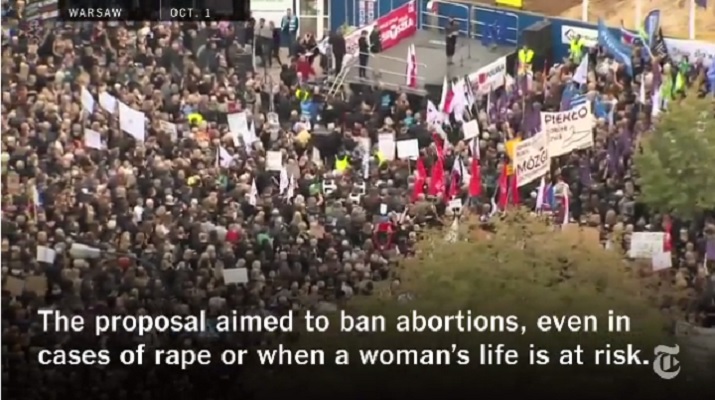
The New York Times spotlightsabortion-rights activism against a proposed abortion ban in Poland.

Video Round Up

KUTV/KEYE's Adele Uchida covers a Texas proposal that will require fetal tissue to be buried or cremated.

Video Round Up

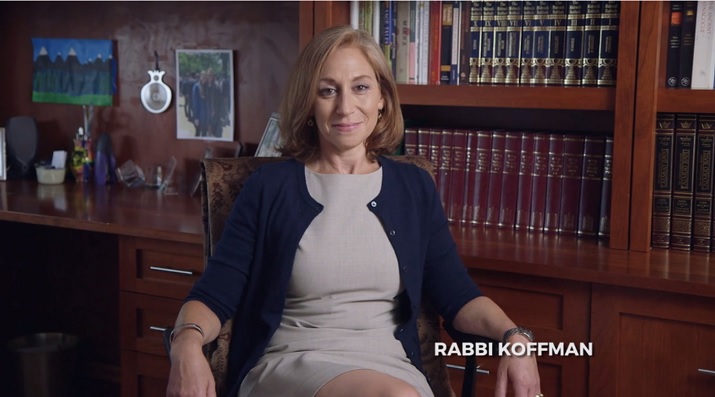
In this clip, Rabbi Lori Koffman discusses the intersection of her faith and her advocacy work for abortion rights, stating, "I'm a woman, I'm a mother, I'm a rabbi, I'm a Jew, I'm an American. And all those pieces of me call me to do this work."

Video Round Up

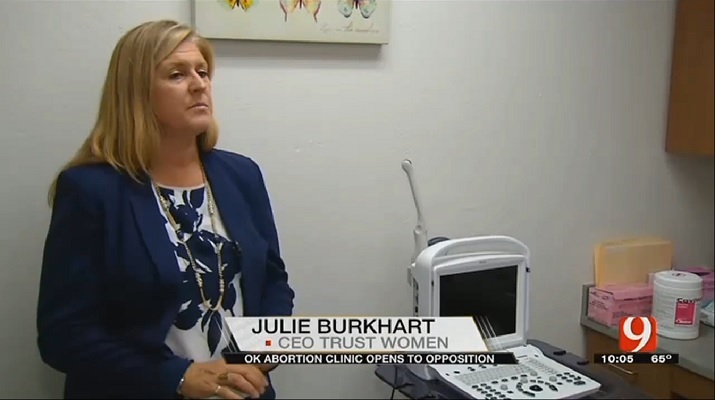
KWTV's Grant Hermes covers the opening of a new reproductive health center in Oklahoma City, which previously had been the largest metropolitan area without an abortion clinic.

Video Round Up

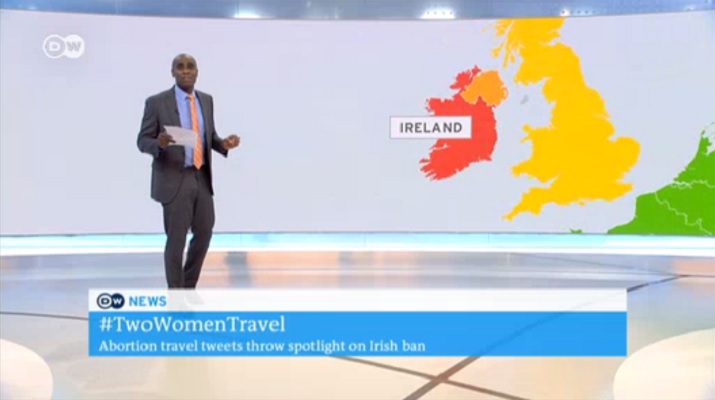
Deutsche Welle's Carl Nasman spotlights @TwoWomenTravel, a Twitter account documenting the experience of two Irish women who traveled to Great Britain to access abortion care for one of the women.

Video Round Up

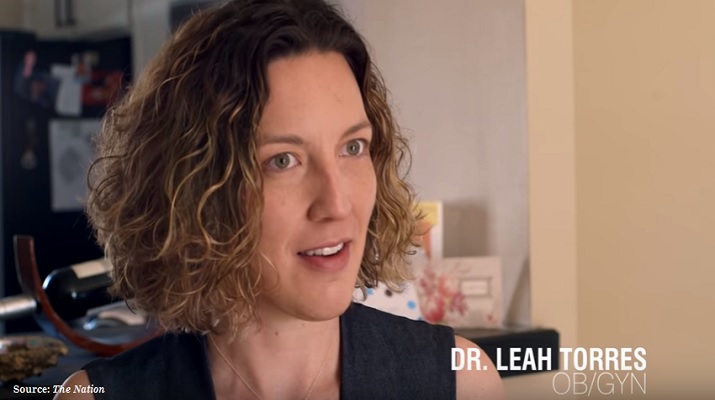
In this clip, The Nation profiles Leah Torres, an OB-GYN who shares her "career changing, life changing" work as an abortion provider in Utah, a state that imposes several restrictions on abortion care.

Video Round Up

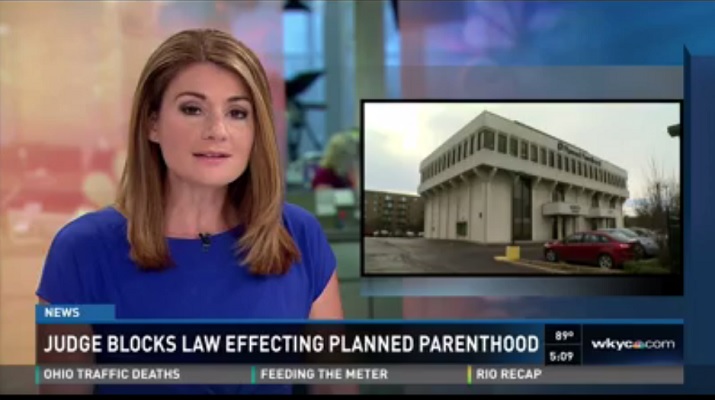
In this clip, WKYC's Maureen Kyle covers a recent decision by a federal judge to grant a permanent injunction against an Ohio law (HB 294) that would cut $1.3 million from abortion providers.

Video Round Up

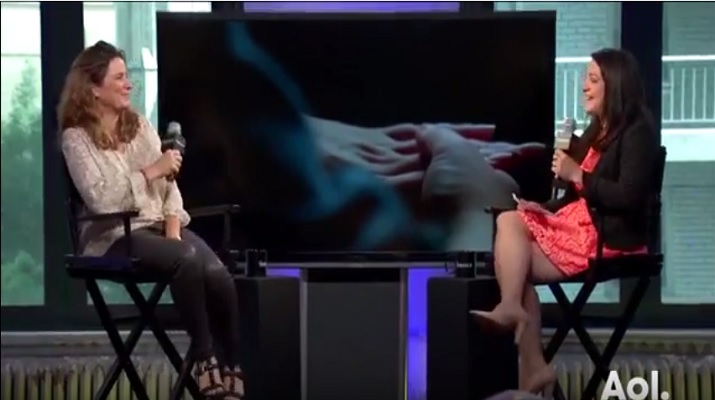
In an interview with AOL Build's Emma Gray, Tracy Droz Tragos discusses her new documentary, "Abortion: Stories Women Tell," which shares women's perspectives on abortion care and abortion rights.

Video Round Up

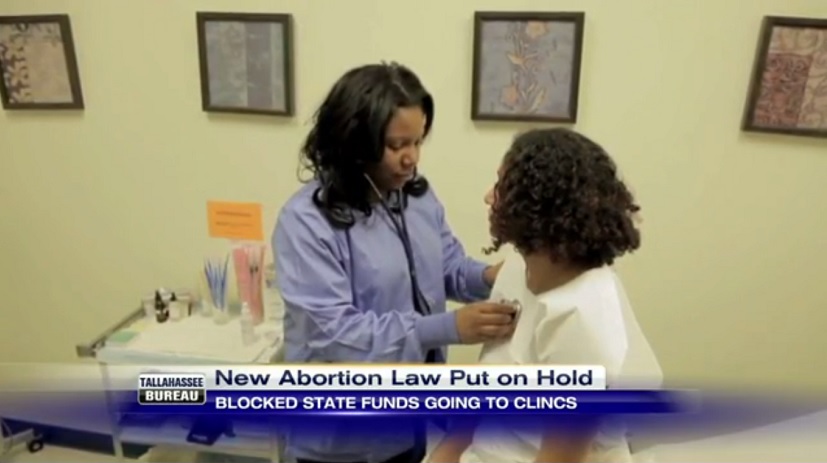
In this clip, WJHG's Matt Galka discusses Florida's decision not to appeal a federal court order currently blocking parts of a state omnibus antiabortion-rights law (HB 1411) from taking effect.

Video Round Up

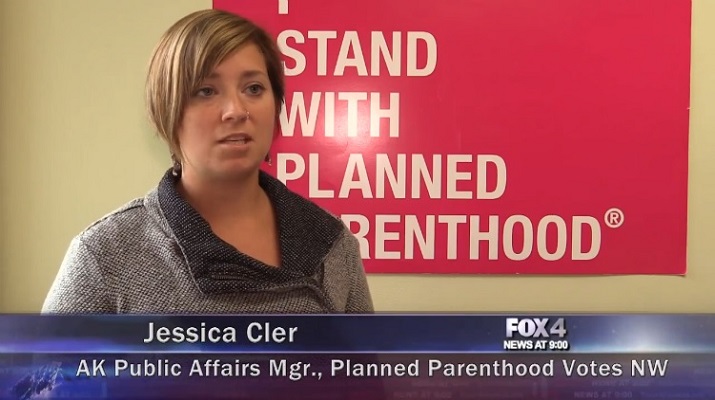
Marissa Silver, a reporter with Coastal Television's "Your Alaska Link," shares the Alaska Supreme Court's decision to strike down a state law that required a minor's parent to be notified of her decision to seek abortion care.

See All

Datapoints

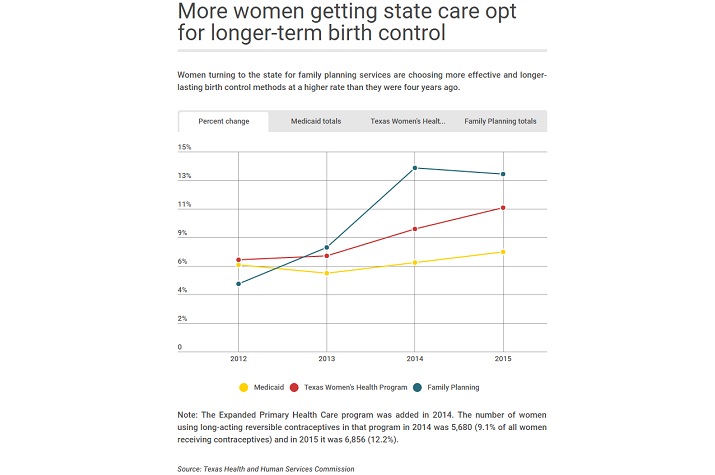
In this infographic, the Texas Health and Human Services Commission (HHSC) outlines data showing that the percentage of Texas women opting for long-acting reversible contraception (LARC) through three state-operated health programs increased between 2012 and 2013.

Datapoints

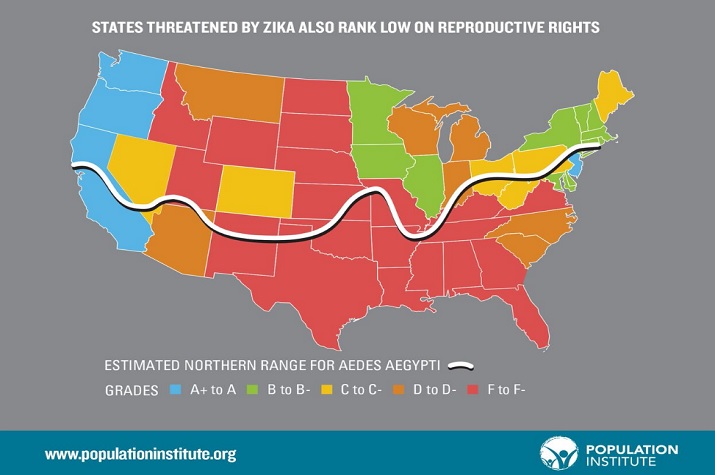
In this map, the Population Institute illustrates how many of the states at risk of the Zika virus scored poorly on measures of reproductive rights and health.

Datapoints

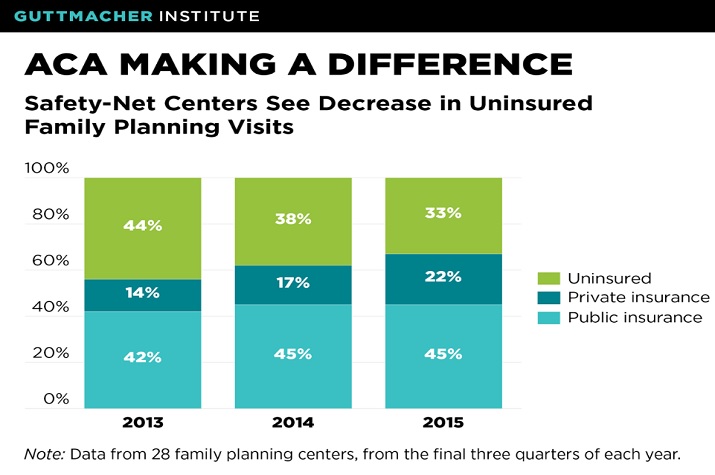
In this infographic, the Guttmacher Institute spotlights the increased proportion of insured visits at 28 Title-X supported family planning centers following the implementation of the Affordable Care Act (ACA) (PL 111-148).

Datapoints

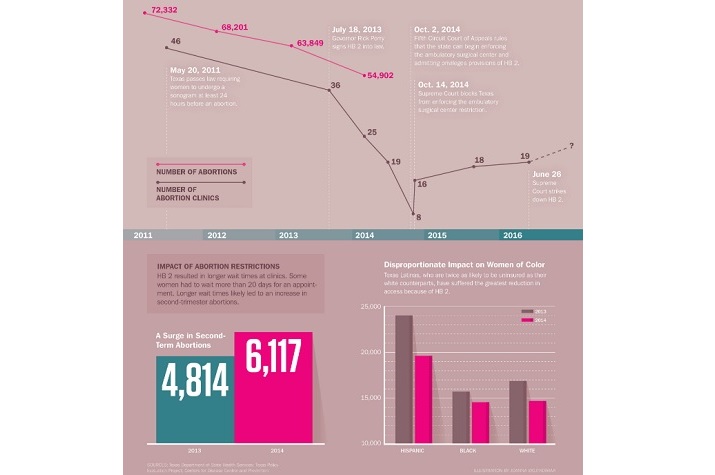
In this infographic, the Texas Observer compiled information from the Texas Department of State Health Services, the Texas Policy Evaluation Project and the Centers for Disease Control and Prevention to provide a snapshot of abortion access in Texas.

Datapoints

In this infographic, the Guttmacher Institute tracks recent trends in state abortion laws.

Datapoints

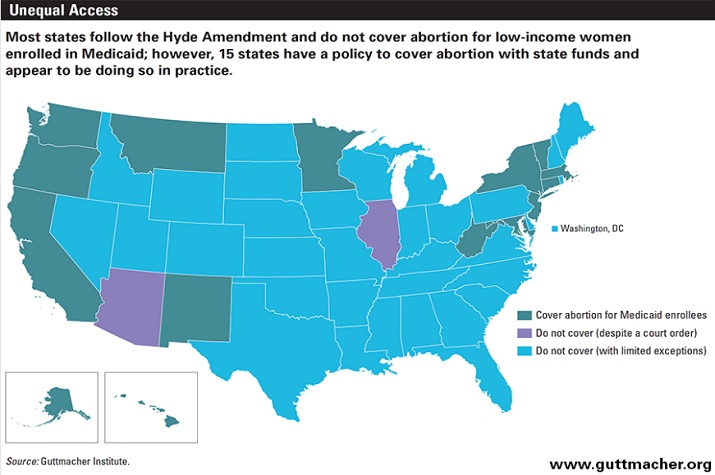
In this map, the Guttmacher Institute highlights the effects of the Hyde Amendment, an appropriations rider that bars federal Medicaid funding from covering abortion care except in the limited cases of rape, incest and life endangerment.

Datapoints

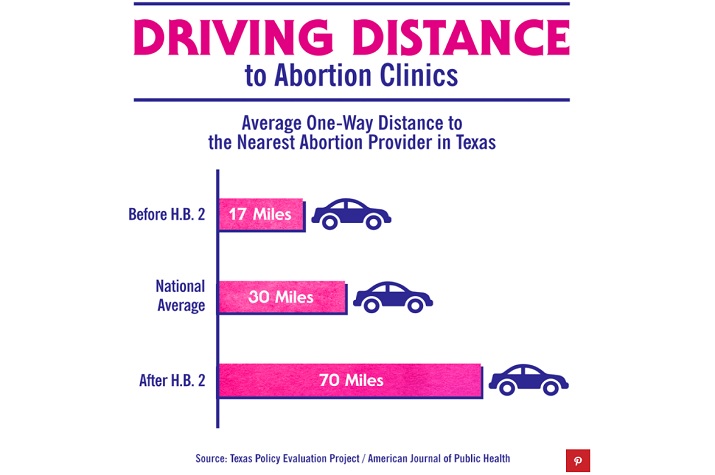
In this gif, Cosmopolitan shares research from the Texas Policy Evaluation Project showing that the average distance a woman in Texas must drive to access the nearest abortion clinic in the state has increased following the implementation of the state's omnibus antiabortion-rights law (HB 2).

Datapoints

In this map, the Kaiser Family Foundation spotlights five states and Washington, D.C., which have each enacted policies designed to facilitate access to contraception.

Datapoints

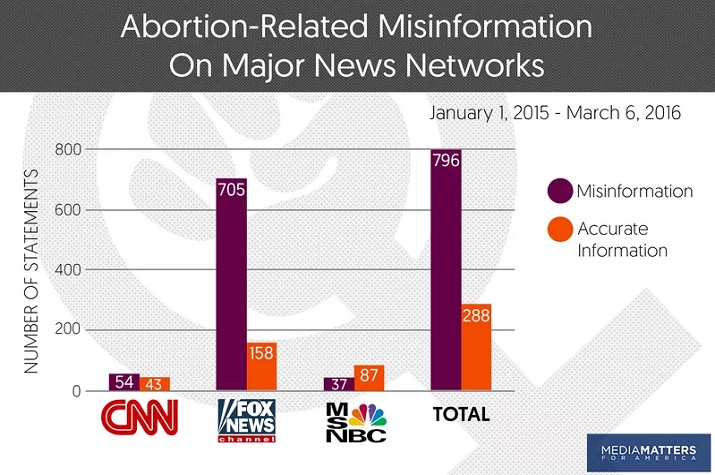
In this chart, Media Matters highlights the findings of a study showing how evening and primetime news programs airing on cable news conveyed more inaccurate than accurate statements about abortion.

Datapoints

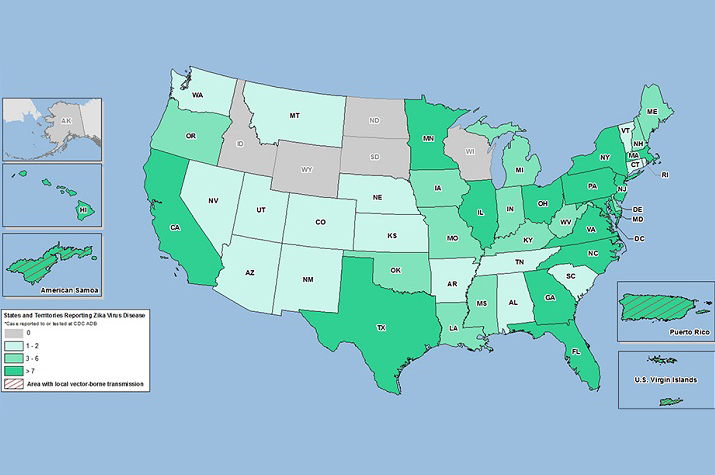
In this map, CDC documents the laboratory-confirmed cases of the Zika virus reported in the United States and U.S. territories.

See All

At a Glance

"A woman's ability to end her pregnancy too often depends on where she lives, her age and how much money is in her pocket."

— Marcela Howell of In Our Own Voice: National Black Women's Reproductive Justice Agenda, discussing ongoing disparities in women's access to abortion care on the 43rd anniversary of Roe v. Wade.

At a Glance

"If women are not free to make decisions about their own lives and health, they are not free. And if women are not free, none of us are."

— Abortion provider Warren Hern, in a STAT News opinion piece on why he continues to offer abortion care despite receiving harassment and death threats throughout his 42-year career.

At a Glance

"Not since before Roe v. Wade has a law or court decision had the potential to devastate access to reproductive health care on such a sweeping scale."

— Nancy Northup, president and CEO of the Center for Reproductive Rights, on a ruling from the 5th U.S. Circuit Court of Appeals that upheld major portions of a Texas antiabortion-rights law.