

Texas public health officials on Wednesday announced that an infant died after being born with Zika-related birth defects, marking the state's first death tied to the virus and the second in the continental United States, the Texas Tribune reports.
According to the Tribune, the death of a Utah resident in June marked the first Zika-related death in the continental United States (Walters, Texas Tribune, 8/9).
Background
The Zika virus is not easily diagnosed, and it does not have a cure or vaccine. It is linked to the birth defect microcephaly, a condition in which an infant is born with an abnormally small head and brain. The condition is fatal for some infants, while others experience permanent disabilities.
The virus is most commonly transmitted by a bite from an infected mosquito, but it can also be spread through sexual activity.
As of Aug. 3, the Centers for Disease Control and Prevention (CDC) report there have been 1,825 cases of Zika in the United States, of which 1,818 are travel-related. Florida officials have reported 15 cases of Zika virus that were likely acquired locally.
CDC also reports that as of Aug. 4, 479 pregnant women in the United States were infected with Zika. Of those, at least 15 have delivered infants with Zika-related fetal anomalies, while six pregnancies ended in miscarriage, stillbirth or abortion.
Response efforts
The White House in February called for $1.9 billion to combat the virus. However, Congress failed to send a funding measure to the president before leaving last month for a seven-week recess. According to the Obama administration, $201 million of the $374 million reallocated in April for Zika has been spent as of last week (Women's Health Policy Report, 8/8).
Health and Human Services Secretary Sylvia Mathews Burwell said federal health officials have allocated about $38 million in funding to combat Zika in Texas. In a letter to Texas lawmakers on Tuesday, Burwell reiterated warnings that the Obama administration is running out of Zika response funding. According to The Hill, Burwell issued the letter in response to conservative lawmakers' claims that the administration has not yet used about $400 million in funding that was shifted to Zika response efforts (Ferris, The Hill, 8/9).
Details of Texas case
According to the Texas Department of State Health Services, the infant's mother likely contracted the virus when she traveled to Latin America during her pregnancy (Dennis, "To Your Health," Washington Post, 8/9).
The infant was born with microcephaly and died shortly after (Texas Tribune, 8/9). Only one other case of the birth defect has been reported in the state (The Hill, 8/9).
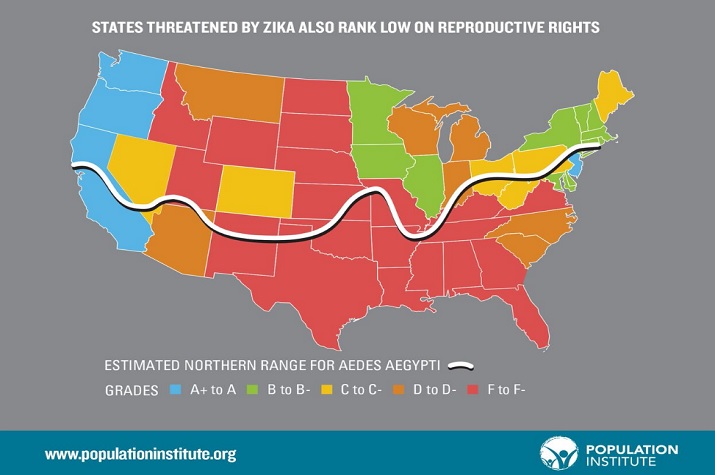
In total, Texas officials have reported 99 travel-related cases of Zika. No cases of local mosquito transmission have been reported in the state ("To Your Health," Washington Post, 8/9). However, the state health department said it is "on alert for the possibility of transmission" (The Hill, 8/9).
Umair Shah, executive director of Harris County Public Health, said, "The saddest outcome of Zika's health effects often impact the most vulnerable," adding, "We are devastated to report our first case of Zika-associated death" (Texas Tribune, 8/9).
Op-Ed: Not all pregnant women seeking to avoid Zika have 'luxury' to move
"The pregnant women I care for do everything in their power to keep their [fetuses] healthy," Emily Binkley Huffstetler, a Virginia-based OB-GYN, writes in an opinion piece for the Washington Post's "Post Everything," noting that some of her patients are thinking of moving further north during their pregnancies to avoid the Zika virus.
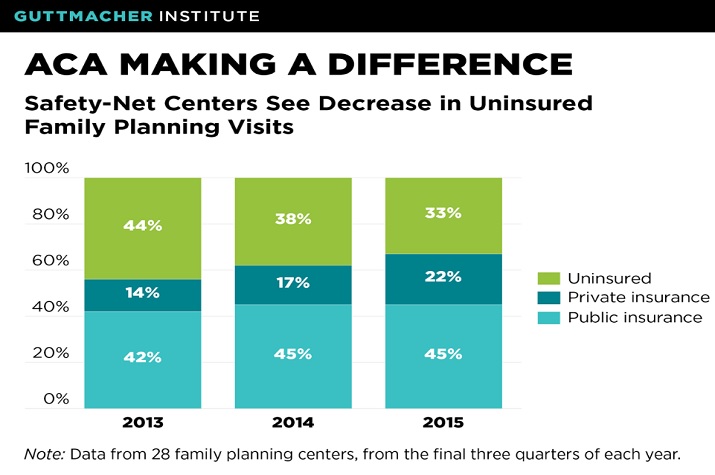
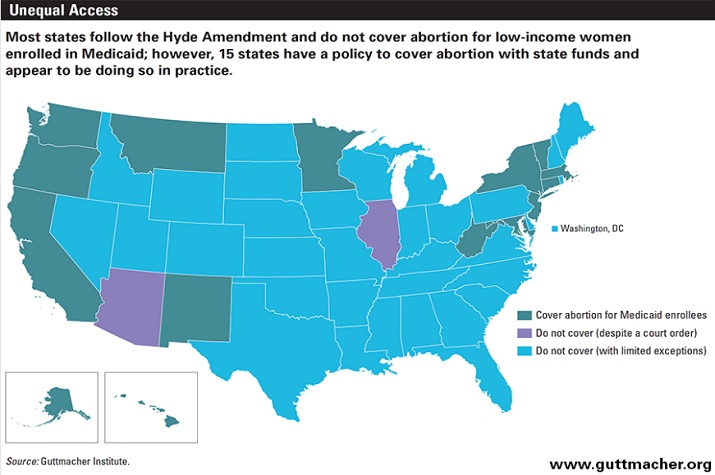
However, Binkley Huffstetler notes she is "worr[ied] about the women who don't have the means or job flexibility to move ... for nine months." According to Binkley Huffstetler, "More than 40 percent of U.S. births are funded by Medicaid; about 21 percent of children born here grow up in poverty." For disadvantaged women, "there are few options," she writes.
"[CDC] recommen[d] avoiding mosquito bites by staying inside and wearing long sleeves and pants," Binkley Huffstetler continues, but that could be "a daunting, maybe impossible task, in the humid, 90-degree summer of the South, particularly for women who work outside." Further, she points out that while health officials recommend that all windows be screened or remain closed, such conditions "can pose a challenge" for "lower-income women, who may not have air-conditioning." In addition, she writes that "many women still worry about the risks of using sprays or lotions containing DEET while they are pregnant," despite research demonstrating the safety of using insect repellent during pregnancy.
According to Binkley Huffstetler, "The only real way to protect these women is through collective action," including improved mosquito control and increased "research into a vaccine or a cure." Moreover, "we need to make it easy and cheap for people (especially pregnant women) to get tested for the virus," she writes.
However, "[t]hese efforts take money that, so far, our politicians seem reluctant to provide," Binkley Huffstetler writes, noting that Congress adjourned for its summer recess without approving a funding measure for Zika response efforts. She adds that if lawmakers do "not see this threat as a real one," they need only "[s]pen[d] an afternoon in my office, listening to the fear in my pregnant patient's questions [to] dispel this myth."
Binkley Huffstetler concludes, "Obstetricians across America are doing our jobs by educating, listening to and reassuring our pregnant patients; it is time that Congress does theirs" (Binkley Huffstetler, "Post Everything" Washington Post, 8/9).