

"Searching for a Baltimore ZIP code on the national pregnancy help website, 'Options Line,' generates a list of several pregnancy centers across Baltimore," but none of the centers "listed offer abortions; many do not even offer contraception counseling," Carolyn Sufrin and Stacey Leigh Rubin, both OB-GYNs at the Johns Hopkins University School of Medicine, write in a Baltimore Sun opinion piece.
According to the authors, these crisis pregnancy centers (CPCs) "instead use purposely vague advertising to target women who may be considering an abortion or inaccurately portray the availability of abortion services, directly interfering with women's access to services." Citing research showing that most CPCs disseminate misleading information about abortion, Sufrin and Rubin explain, "In Maryland, this false information has ranged from linking abortion to breast cancer to claiming that abortion is legal through all nine months of pregnancy." They write, "These statements are unscientific and/or inaccurate and may encourage women to delay seeking abortion services until it is too late."
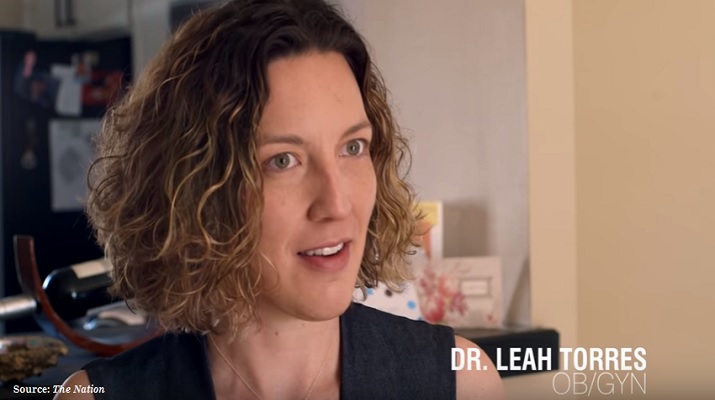
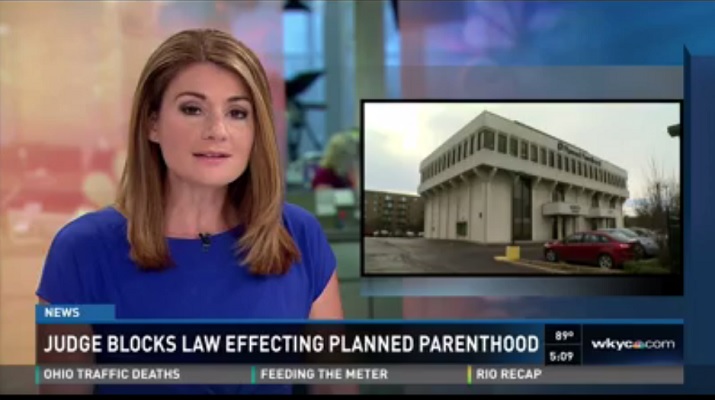
Sufrin and Rubin explain that in 2009, the Baltimore City Council passed an ordinance that requires "limited service" CPCs that do not provide or make referrals for abortion care or birth control services to post signage stating that information. "However, this common sense provision, which has been tied up in litigation since 2009, was recently struck down in U.S. district court," they continue, adding, "As OB/GYNs in Baltimore City, we are deeply concerned about the effects this recent ruling will have on the health and well-being of Baltimore's women, particularly those who are most vulnerable."
According to the authors, "Without the protections of this ordinance, women are left susceptible to false advertising and deceptive counseling," particularly younger, less-educated and lower-income women -- populations who "are more likely to experience an unintended pregnancy and often do not have an established relationship with a health care provider." Adolescent women "are also particularly vulnerable to deceptive options counseling," Sufrin and Rubin continue, noting that adolescents often take longer to suspect and confirm a pregnancy, meaning they tend to be further along in the pregnancy when they reach out to a CPC.
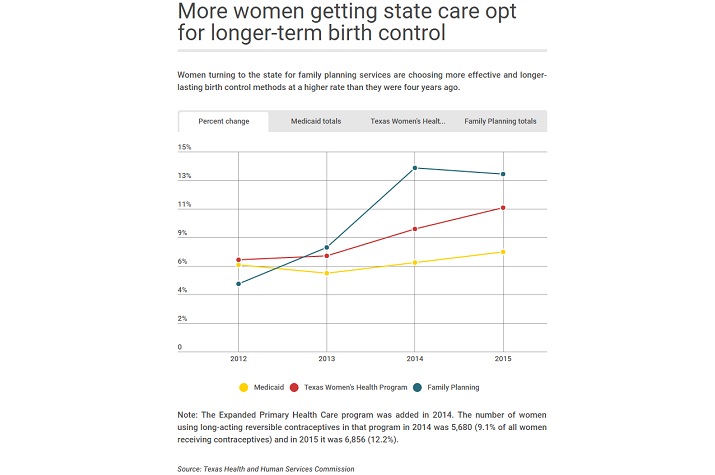
Further, Sufrin and Rubin note that CPCs tend to keep women "in the dark about contraception." Many CPCs fail to offer such services at all, "missing a critical window of opportunity to help women prevent future unwanted pregnancies." Moreover, they explain that while some CPCs offer contraception counseling, it often "include[s] false information about the efficacy and health effects."
The authors write, "[W]omen seeking contraception, options counseling or abortion services should be empowered to understand what is -- and is not -- offered at [CPCs] and, like any other consumers, have all the information to make an informed decision." According to Sufrin and Rubin, "Informed consent is a deeply held ethical framework in the medical field" that "involves ensuring that every patient knows what his or her options are, has an opportunity to ask questions, and can opt-out of a medical procedure if they desire." They write, "This is no different."
"Women deserve to receive accurate information about which options are on the table and to make choices that reflect their priorities and unique situations," the authors continue, noting, "Without these protections, experiences of dishonesty and coercion can damage a woman's relationship with the health care system for life." They conclude, "Baltimore City needs to be able to protect our women and their right to make fully-informed, autonomous decisions about family planning and pregnancy-related care" (Sufrin/Rubin, Baltimore Sun, 10/12).