
National Partnership for Women & Families

In the News

Op-ed: Ongoing push for LARC use must address history of coercive reproductive policies

"Since long-acting reversible contraceptives (LARCs), including intrauterine devices and hormonal contraceptive implants, are among the most effective means of pregnancy prevention, many family planning and reproductive health providers are increasingly promoting them, especially among low-income populations," Jamila Taylor, a senior fellow at the Center for American Progress, writes in a Rewire opinion piece.

However, "the promotion of LARCs must come with an acknowledgment of historical discriminatory practices and public policy related to birth control," Taylor continues. She writes, "To improve contraceptive access for low-income women and girls of color -- who bear the disproportionate effects of unplanned pregnancy -- providers and advocates must work to ensure that the reproductive autonomy of this population is respected now, precisely because it hasn't been in the past."

Taylor outlines the history of reproductive coercion against women of color, including slavery and government-funded family planning programs that encouraged the use of birth control among black women and in some cases sterilized them against their will. More recently, Taylor describes the introduction in the 1990s of Norplant, a contraceptive implant that "was marketed specifically to low-income women, especially Black adults and teenage girls." Noting that the federal government incentivized Norplant's use among low-income populations, Taylor explains that "promoting this method among low-income Black women and adolescents was problematic" because "[r]acist, classist ideology dictating that this particular population of women shouldn't have children became the basis for public policy."

According to Taylor, "Even though coercive practices in reproductive health were later condemned, these practices still went on to shape cultural norms around race and gender, as well as medical practice." She writes, "This history has made it difficult to move beyond negative perceptions, and even fear, of LARCs, health care, and the medical establishment among some women of color. And that's why it's so important to ensure informed consent when advocating for effective contraceptive methods, with choice always at the center."

To promote reproductive autonomy, Taylor continues, "providers must deal head on with the fact that many contemporary women have concerns about LARCs being recommended specifically to low-income women and women of color." For example, she suggests that family planning providers receive "cultural competency training that includes information on the history of coercive practices affecting women of color" to help providers "understand this concern for their patients."

Providers also "must address other barriers that make it difficult for women to access LARCs in particular," Taylor writes. She explains that "LARCs can be expensive in the short term," insurers do not always cover the full cost of LARCs and "complicated billing and reimbursement practices in both public and private insurance [can] confuse women and providers." She adds that in addition to removing barriers, low-income black women and teenagers "should be given information on the full array" of contraceptive options to "help them choose the method that best meets their needs, while also promoting reproductive autonomy."

Taylor writes, "Clinical guidelines for contraception must include detailed information on informed consent, and choice and reproductive autonomy should be clearly outlined when family planning providers are trained." She adds that "[i]t's crucial we implement these changes now because recent investments and advocacy are expanding access to LARCs," citing the success of a Colorado initiative that facilitates LARC access.

"Recognizing that prevention is a key component to any strategy addressing a public health concern, those strategies must be rooted in ensuring access to education and comprehensive counseling so that women and teens can make the informed choices that are best for them," Taylor writes. She concludes that while "[t]he history of coercion undermining reproductive freedom among women and girls of color in this country is an ugly one ... this certainly doesn't have to dictate how we move forward" (Taylor, Rewire, 8/15).

Video Round Up

USA Today covers a new report from the Centers for Disease Control and Prevention (CDC) that found the "most commonly reported sexually transmitted [infections] [STIs] reached an all-time high in 2015."

Video Round Up

In this clip, NY 1's Natalie Duddridge covers Planned Parenthood's centennial celebration at New York City Hall.

Video Round Up

The New York Times spotlightsabortion-rights activism against a proposed abortion ban in Poland.

Video Round Up

KUTV/KEYE's Adele Uchida covers a Texas proposal that will require fetal tissue to be buried or cremated.

Video Round Up

In this clip, Rabbi Lori Koffman discusses the intersection of her faith and her advocacy work for abortion rights, stating, "I'm a woman, I'm a mother, I'm a rabbi, I'm a Jew, I'm an American. And all those pieces of me call me to do this work."

Video Round Up

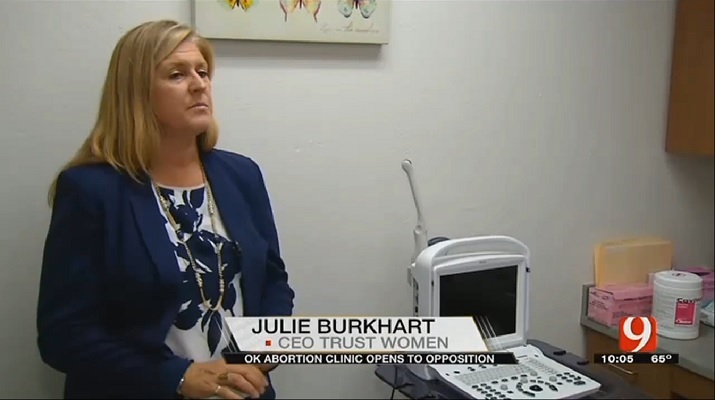
KWTV's Grant Hermes covers the opening of a new reproductive health center in Oklahoma City, which previously had been the largest metropolitan area without an abortion clinic.

Video Round Up

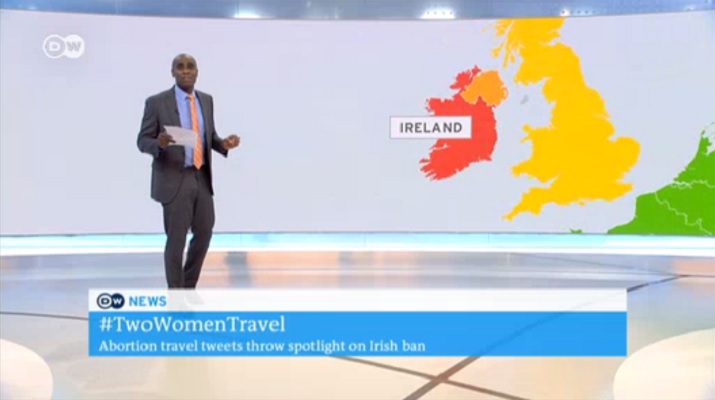
Deutsche Welle's Carl Nasman spotlights @TwoWomenTravel, a Twitter account documenting the experience of two Irish women who traveled to Great Britain to access abortion care for one of the women.

Video Round Up

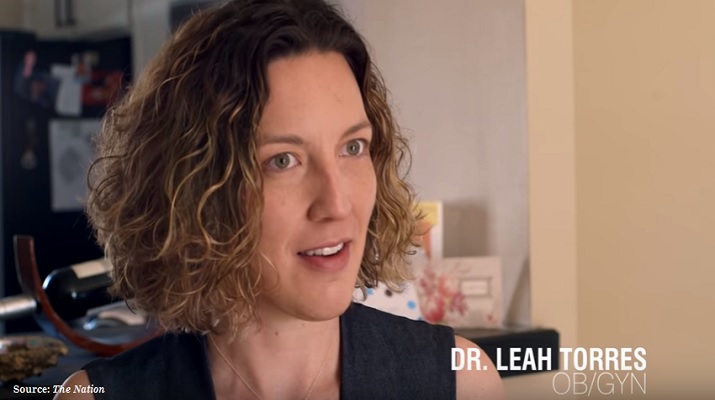
In this clip, The Nation profiles Leah Torres, an OB-GYN who shares her "career changing, life changing" work as an abortion provider in Utah, a state that imposes several restrictions on abortion care.

Video Round Up

In this clip, WKYC's Maureen Kyle covers a recent decision by a federal judge to grant a permanent injunction against an Ohio law (HB 294) that would cut $1.3 million from abortion providers.

Video Round Up

In an interview with AOL Build's Emma Gray, Tracy Droz Tragos discusses her new documentary, "Abortion: Stories Women Tell," which shares women's perspectives on abortion care and abortion rights.

See All

Datapoints

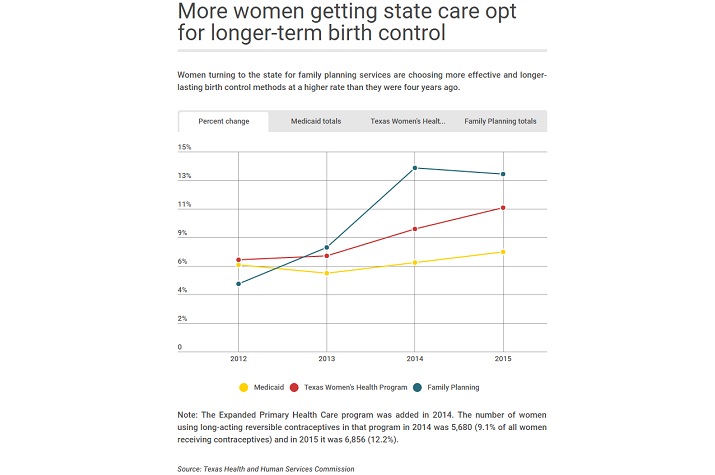
In this infographic, the Texas Health and Human Services Commission (HHSC) outlines data showing that the percentage of Texas women opting for long-acting reversible contraception (LARC) through three state-operated health programs increased between 2012 and 2013.

Datapoints

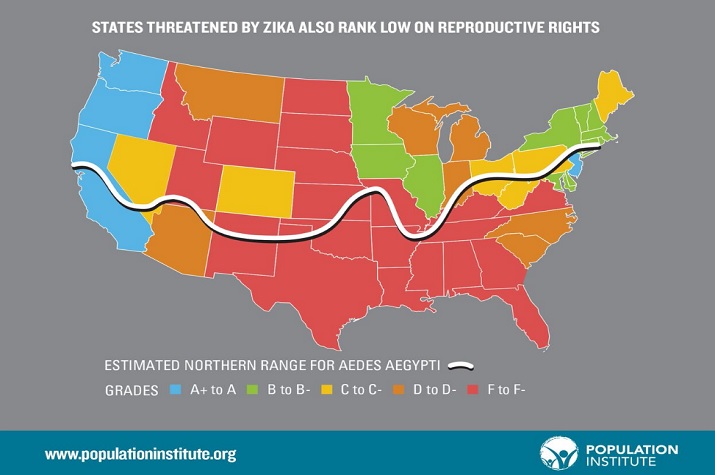
In this map, the Population Institute illustrates how many of the states at risk of the Zika virus scored poorly on measures of reproductive rights and health.

Datapoints

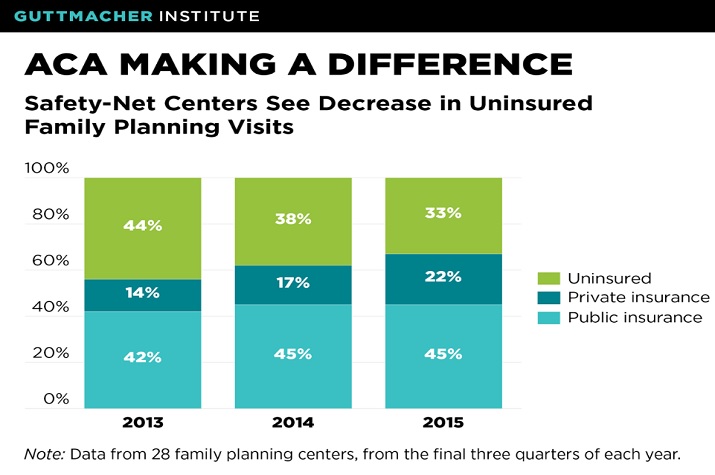
In this infographic, the Guttmacher Institute spotlights the increased proportion of insured visits at 28 Title-X supported family planning centers following the implementation of the Affordable Care Act (ACA) (PL 111-148).

Datapoints

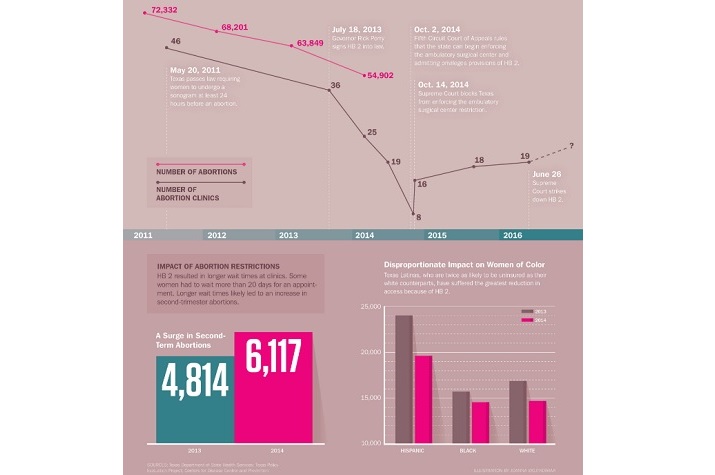
In this infographic, the Texas Observer compiled information from the Texas Department of State Health Services, the Texas Policy Evaluation Project and the Centers for Disease Control and Prevention to provide a snapshot of abortion access in Texas.

Datapoints

In this infographic, the Guttmacher Institute tracks recent trends in state abortion laws.

Datapoints

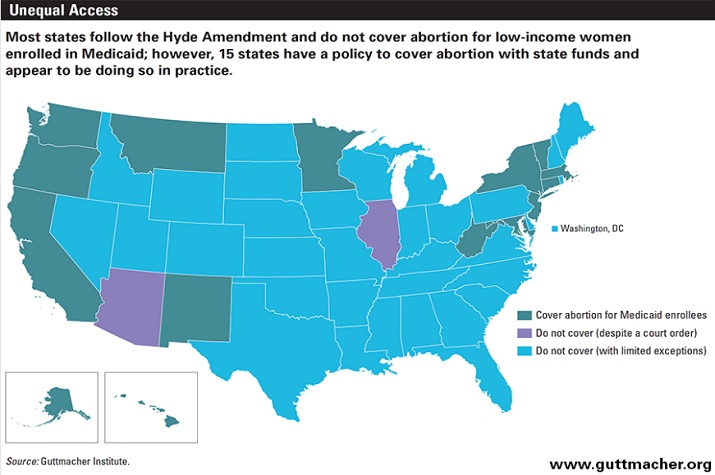
In this map, the Guttmacher Institute highlights the effects of the Hyde Amendment, an appropriations rider that bars federal Medicaid funding from covering abortion care except in the limited cases of rape, incest and life endangerment.

Datapoints

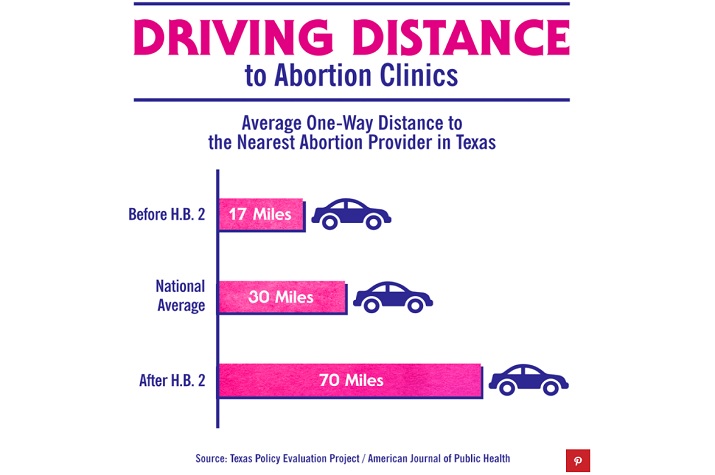
In this gif, Cosmopolitan shares research from the Texas Policy Evaluation Project showing that the average distance a woman in Texas must drive to access the nearest abortion clinic in the state has increased following the implementation of the state's omnibus antiabortion-rights law (HB 2).

Datapoints

In this map, the Kaiser Family Foundation spotlights five states and Washington, D.C., which have each enacted policies designed to facilitate access to contraception.

Datapoints

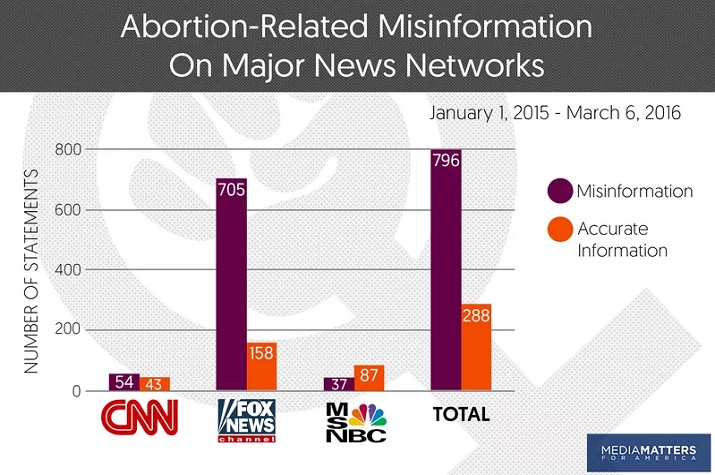
In this chart, Media Matters highlights the findings of a study showing how evening and primetime news programs airing on cable news conveyed more inaccurate than accurate statements about abortion.

Datapoints

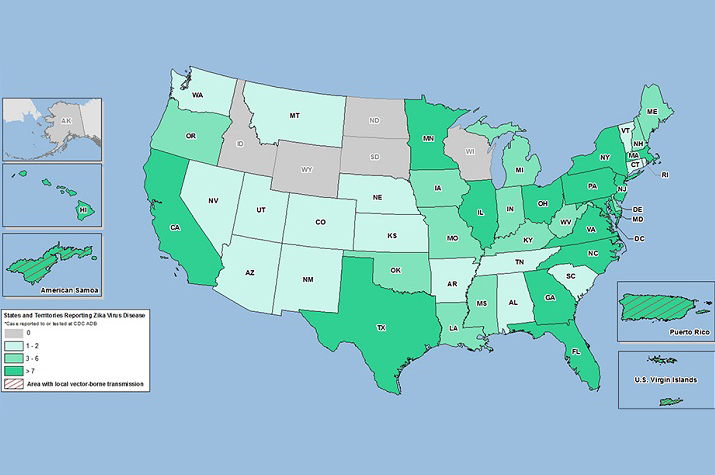
In this map, CDC documents the laboratory-confirmed cases of the Zika virus reported in the United States and U.S. territories.

See All

At a Glance

"A woman's ability to end her pregnancy too often depends on where she lives, her age and how much money is in her pocket."

— Marcela Howell of In Our Own Voice: National Black Women's Reproductive Justice Agenda, discussing ongoing disparities in women's access to abortion care on the 43rd anniversary of Roe v. Wade.

At a Glance

"If women are not free to make decisions about their own lives and health, they are not free. And if women are not free, none of us are."

— Abortion provider Warren Hern, in a STAT News opinion piece on why he continues to offer abortion care despite receiving harassment and death threats throughout his 42-year career.

At a Glance

"Not since before Roe v. Wade has a law or court decision had the potential to devastate access to reproductive health care on such a sweeping scale."

— Nancy Northup, president and CEO of the Center for Reproductive Rights, on a ruling from the 5th U.S. Circuit Court of Appeals that upheld major portions of a Texas antiabortion-rights law.