
National Partnership for Women & Families

In the News

Blogs comment on the experience of treating pregnant women with Zika, an abortion documentary spotlighting women's voices, more

Read the week's best commentary from bloggers at The Conversation/Salon, Vogue and more.

ZIKA:

"I'm an OB-GYN treating women with Zika: This is what it's like," Christine Curry, The Conversation/Salon: Curry, an OB-GYN who practices in Miami, shares her experience caring for pregnant women infected with Zika, a virus that can have "very serious consequences" for the fetus. She explains how she evaluates all her pregnant patients for the virus and has conversations with any infected patients in the first or second trimester "about staying pregnant or having an abortion." Such "conversations are difficult, because there is still so much we don't know about Zika," Curry writes, noting that research has found "wide ranges in outcomes" in cases of Zika during pregnancy. "If a woman is in her third trimester and has been infected with Zika, at each visit we focus on planning for birth, monitoring the [fetus] by ultrasound and reviewing the latest research together," Curry writes. However, she notes that "ultrasounds can't detect every problem, ... and microcephaly isn't the only problem Zika can cause." She writes, "Even with planning, there are still many questions we can't answer for our patients," highlighting, for example, that "if a baby is born with microcephaly, we don't know the exact issues that the baby might have." Curry states, "Physicians like me are learning about Zika along with our patients. This takes a dose of humility on our part and an understanding from our patients that we learn something new every single day" (Curry, The Conversation/Salon, 8/11).

ABORTION IN THE MEDIA:

"A new documentary puts women's voices at the center of the abortion debate," Julia Felsenthal, Vogue: Felsenthal interviews Tracy Droz Tragos, the filmmaker behind "Abortion: Stories Women Tell," a documentary hitting theatres Friday that presents "a collection of stories from a number of women who live in Missouri, and a few who live in the neighboring state of Illinois." Felsenthal writes that Droz Tragos, a Missouri native, chose the state as the focus for her documentary because it is "often overlooked by the national media" despite having "just one abortion facility" and "some of the country's most stringent laws restricting abortion access." When asked about a recent Supreme Court decision striking down targeted regulations of abortion providers (TRAP) provisions in a Texas law (HB 2), Droz Tragos says though she is "'really comforted and relieved'" that the abortion-rights restrictions did not stand, "it's going to take a while for that to have a ripple effect, especially in places like Missouri that still have one abortion provider, still have the ... 72-hour [mandatory delay].'" Nonetheless, she hopes that the ruling against TRAP laws, which are linked to clinic closures, will enable more clinics to open in Missouri. Discussing the importance of women sharing their abortion experiences, Droz Tragos notes, "[T]here's power in just having a voice, and in shifting the conversation away from politicians, particularly male politicians, who I think should be more silent on the matter" (Felsenthal, Vogue, 8/11).

CRIMINALIZING PREGNANCY:

"Progress for Purvi Patel, but targeting of women of color continues," Nimra Chowdhry/Stephanie Zhou, American Constitution Society for Law and Policy's "ACS blog": "Women, specifically women of color, in the United States are being criminalized for their abortions," Chowdhry and Zhou write, citing a case in which an Indiana resident -- Purvi Patel, a South Asian American woman -- was convicted of feticide. The authors write that while an appeals court overturned Patel's "feticide conviction and downgrad[ed] her neglect of a dependent conviction from a class A felony to a class D felony," her "prosecution is not only a demonstration of anti-abortion animus leading to negative health outcomes for women across the country, but it is also an example of stereotyping of women of color, specifically the reproductive decision-making of Asian American women." For example, Chowdhry and Zhou explain that "the only two women in Indiana who have been prosecuted for feticide ... [are] Asian American," and state lawmakers have "twice debated and passed a certain type of ban [HEA 1337] on abortion care for Indiana women based on stereotypes about [Asian American and Pacific Islander (AAPI)] women." Noting that these racist and sexist efforts "coincid[e] with a national anti-Asian bill similarly targeting AAPI women [HR 4924]," Chowdhry and Zhou conclude, "Rather than dedicating our scarce resources to the policing of women's pregnancies, lawmakers should expand access to quality, affordable and culturally competent healthcare" (Chowdhry/Zhou, "ACS blog," American Constitution Society for Law and Policy, 8/11).

Video Round Up

USA Today covers a new report from the Centers for Disease Control and Prevention (CDC) that found the "most commonly reported sexually transmitted [infections] [STIs] reached an all-time high in 2015."

Video Round Up

In this clip, NY 1's Natalie Duddridge covers Planned Parenthood's centennial celebration at New York City Hall.

Video Round Up

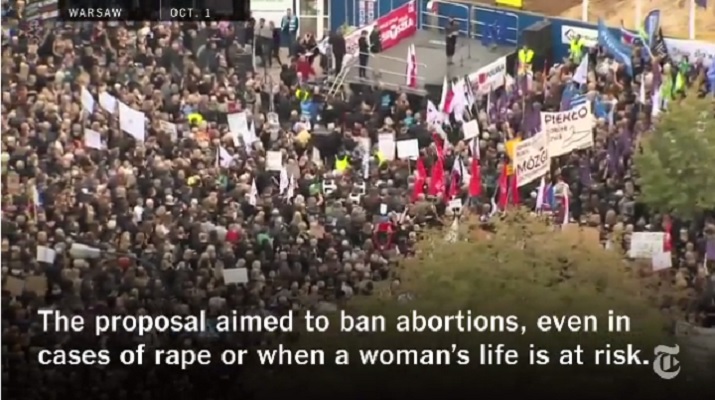
The New York Times spotlightsabortion-rights activism against a proposed abortion ban in Poland.

Video Round Up

KUTV/KEYE's Adele Uchida covers a Texas proposal that will require fetal tissue to be buried or cremated.

Video Round Up

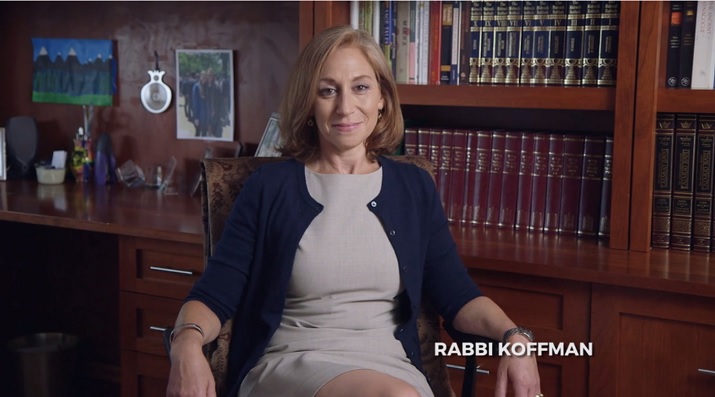
In this clip, Rabbi Lori Koffman discusses the intersection of her faith and her advocacy work for abortion rights, stating, "I'm a woman, I'm a mother, I'm a rabbi, I'm a Jew, I'm an American. And all those pieces of me call me to do this work."

Video Round Up

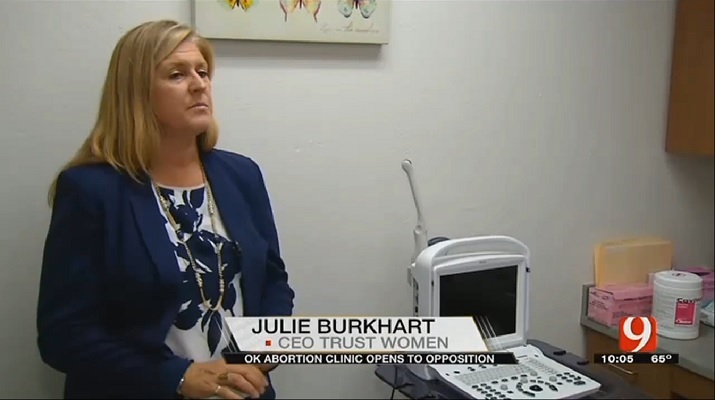
KWTV's Grant Hermes covers the opening of a new reproductive health center in Oklahoma City, which previously had been the largest metropolitan area without an abortion clinic.

Video Round Up

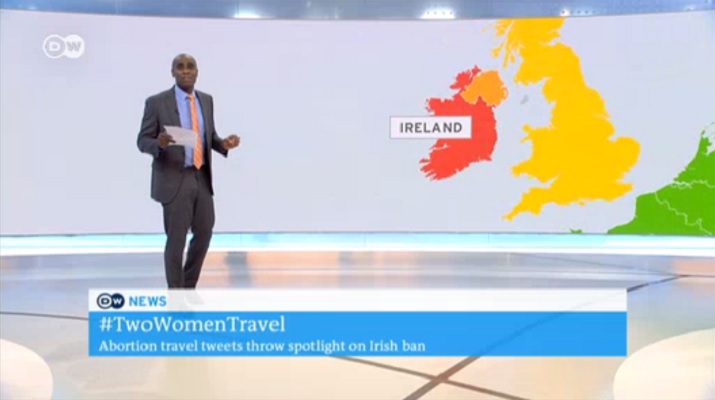
Deutsche Welle's Carl Nasman spotlights @TwoWomenTravel, a Twitter account documenting the experience of two Irish women who traveled to Great Britain to access abortion care for one of the women.

Video Round Up

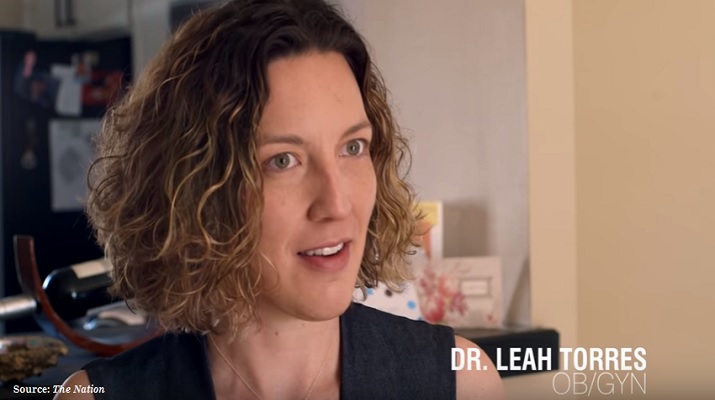
In this clip, The Nation profiles Leah Torres, an OB-GYN who shares her "career changing, life changing" work as an abortion provider in Utah, a state that imposes several restrictions on abortion care.

Video Round Up

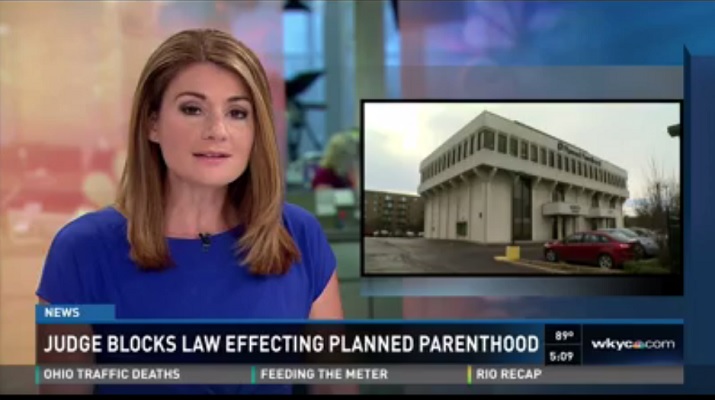
In this clip, WKYC's Maureen Kyle covers a recent decision by a federal judge to grant a permanent injunction against an Ohio law (HB 294) that would cut $1.3 million from abortion providers.

Video Round Up

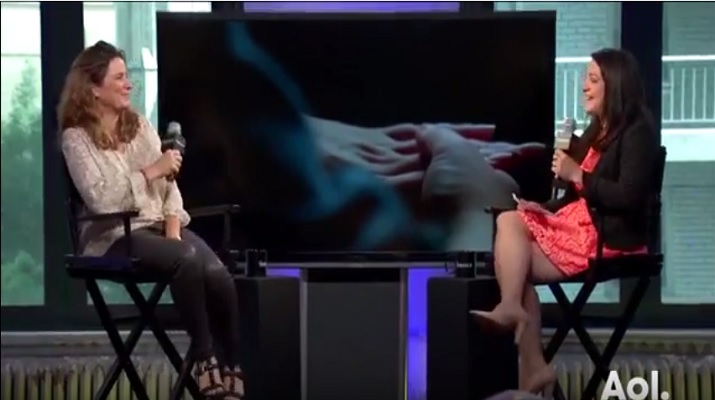
In an interview with AOL Build's Emma Gray, Tracy Droz Tragos discusses her new documentary, "Abortion: Stories Women Tell," which shares women's perspectives on abortion care and abortion rights.

See All

Datapoints

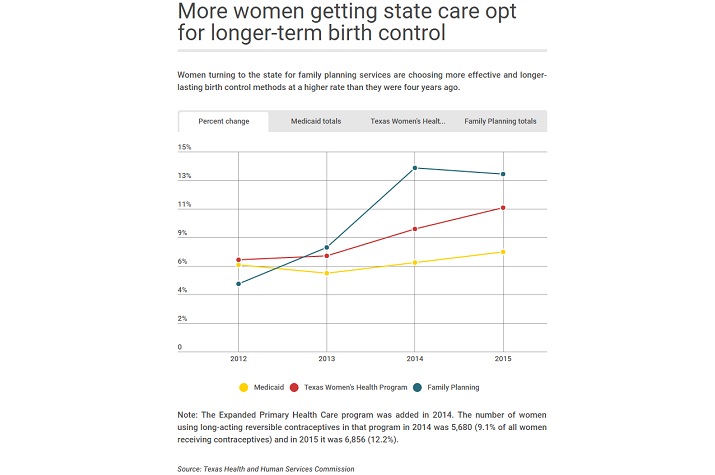
In this infographic, the Texas Health and Human Services Commission (HHSC) outlines data showing that the percentage of Texas women opting for long-acting reversible contraception (LARC) through three state-operated health programs increased between 2012 and 2013.

Datapoints

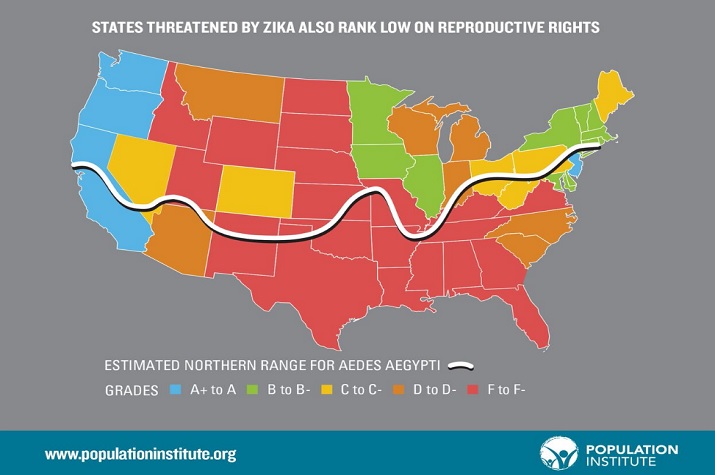
In this map, the Population Institute illustrates how many of the states at risk of the Zika virus scored poorly on measures of reproductive rights and health.

Datapoints

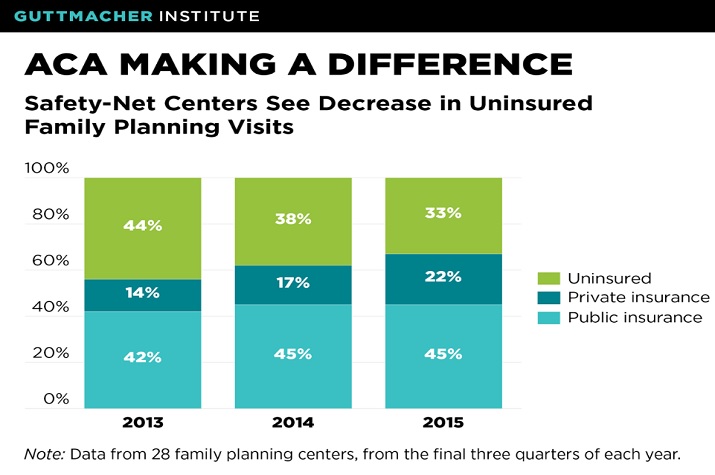
In this infographic, the Guttmacher Institute spotlights the increased proportion of insured visits at 28 Title-X supported family planning centers following the implementation of the Affordable Care Act (ACA) (PL 111-148).

Datapoints

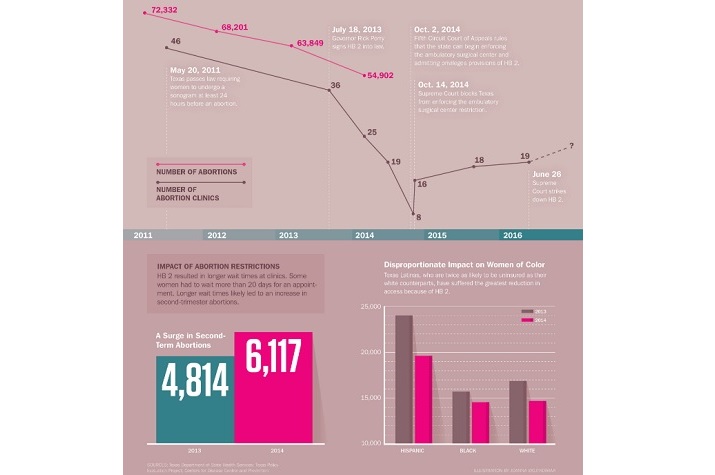
In this infographic, the Texas Observer compiled information from the Texas Department of State Health Services, the Texas Policy Evaluation Project and the Centers for Disease Control and Prevention to provide a snapshot of abortion access in Texas.

Datapoints

In this infographic, the Guttmacher Institute tracks recent trends in state abortion laws.

Datapoints

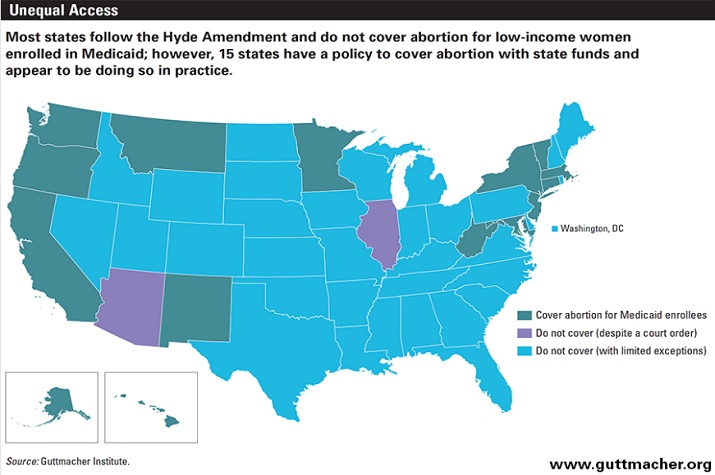
In this map, the Guttmacher Institute highlights the effects of the Hyde Amendment, an appropriations rider that bars federal Medicaid funding from covering abortion care except in the limited cases of rape, incest and life endangerment.

Datapoints

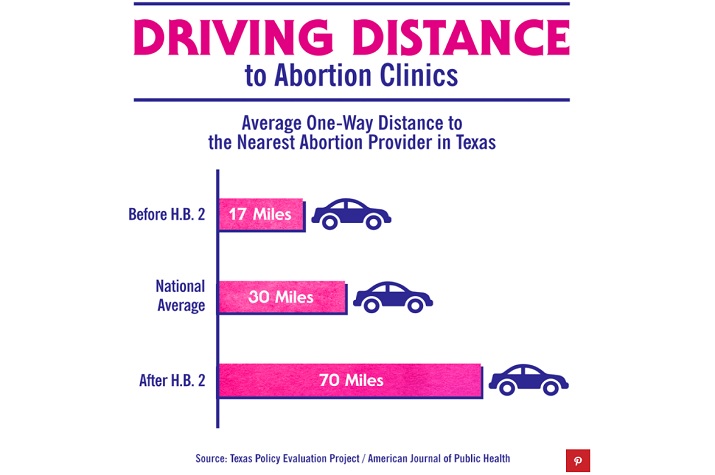
In this gif, Cosmopolitan shares research from the Texas Policy Evaluation Project showing that the average distance a woman in Texas must drive to access the nearest abortion clinic in the state has increased following the implementation of the state's omnibus antiabortion-rights law (HB 2).

Datapoints

In this map, the Kaiser Family Foundation spotlights five states and Washington, D.C., which have each enacted policies designed to facilitate access to contraception.

Datapoints

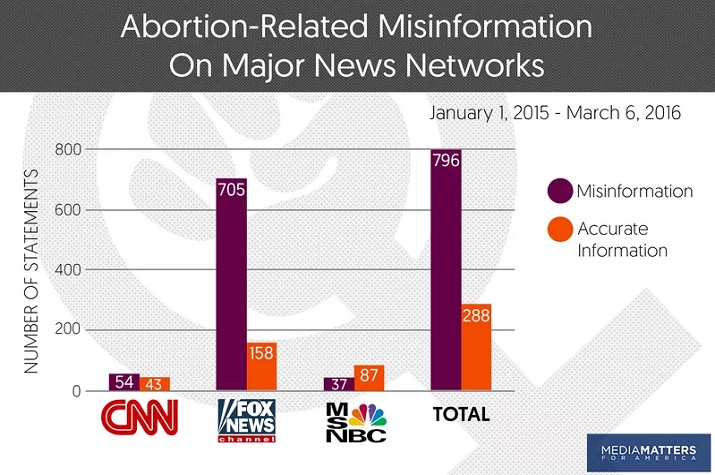
In this chart, Media Matters highlights the findings of a study showing how evening and primetime news programs airing on cable news conveyed more inaccurate than accurate statements about abortion.

Datapoints

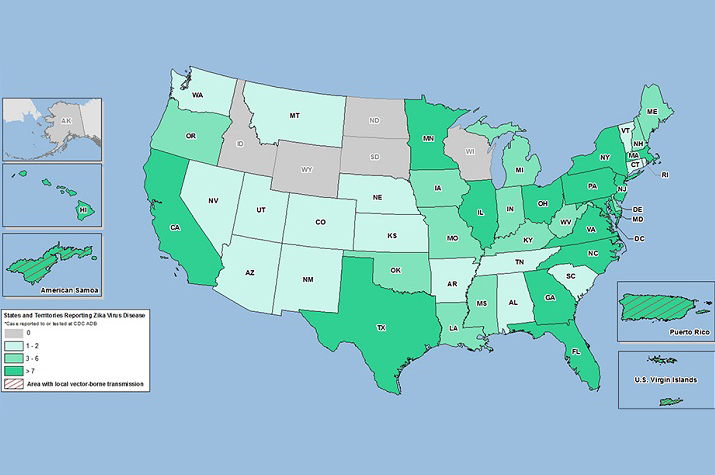
In this map, CDC documents the laboratory-confirmed cases of the Zika virus reported in the United States and U.S. territories.

See All

At a Glance

"A woman's ability to end her pregnancy too often depends on where she lives, her age and how much money is in her pocket."

— Marcela Howell of In Our Own Voice: National Black Women's Reproductive Justice Agenda, discussing ongoing disparities in women's access to abortion care on the 43rd anniversary of Roe v. Wade.

At a Glance

"If women are not free to make decisions about their own lives and health, they are not free. And if women are not free, none of us are."

— Abortion provider Warren Hern, in a STAT News opinion piece on why he continues to offer abortion care despite receiving harassment and death threats throughout his 42-year career.

At a Glance

"Not since before Roe v. Wade has a law or court decision had the potential to devastate access to reproductive health care on such a sweeping scale."

— Nancy Northup, president and CEO of the Center for Reproductive Rights, on a ruling from the 5th U.S. Circuit Court of Appeals that upheld major portions of a Texas antiabortion-rights law.