

The Tennessee Senate on Wednesday voted 24-4 to approve a bill (SB 1677) that would facilitate access to contraception, the Tennessean reports.
Companion legislation in the state House, sponsored by state Rep. Patsy Hazlewood (R), is scheduled to be discussed in committee on Tuesday. According to the Tennessean, similar legislation (SB 1958), proposed by state Sen. Jeff Yarbro (D), has not reached committee.
Bill details
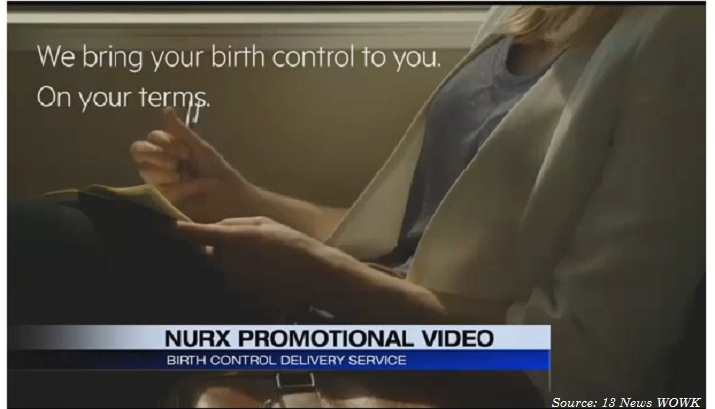
Under the bill, sponsored by state Sen. Steve Dickerson (R), pharmacists would be able to directly provide hormonal contraception to women age 18 or older. Under current state law, women must obtain a prescription from a doctor before going to a pharmacy.
Pharmacists would be required to have a collaborative agreement with a physician, who would be responsible for overseeing various protocols that the pharmacists would need to follow. The prescriptions would still be covered by health insurance.
The bill would permit pharmacists and pharmacies to charge an annual fee for providing such services to women.
Comments
Dickerson noted that about 50 percent of all pregnancies are unintended and that the American Congress of Obstetricians and Gynecologists and other medical associations support efforts to improve access to contraception. "The science is very strong behind this," he said.
Allison Glass, state director of Healthy and Free Tennessee, said, "We are encouraged by the Senate passing a bill which increases access to contraception," adding, "Contraception helps people to avoid unintended pregnancy, but access and cost issues are common reasons why women either do not use contraception or have gaps in use."
Micah Cost -- executive director for the Tennessee Pharmacists Association, which helped develop the legislation with the Tennessee Medical Association -- said, "This approach ensures a team-based approach to self-administered hormonal contraceptives, and also allows additional patient interactions with pharmacists prior to receiving self-administered hormonal contraceptives." Cost added, "This patient interaction with pharmacists will help to address possible adverse events and safety concerns regarding self-administered hormonal contraceptives" (Ebert, Tennessean, 3/9).