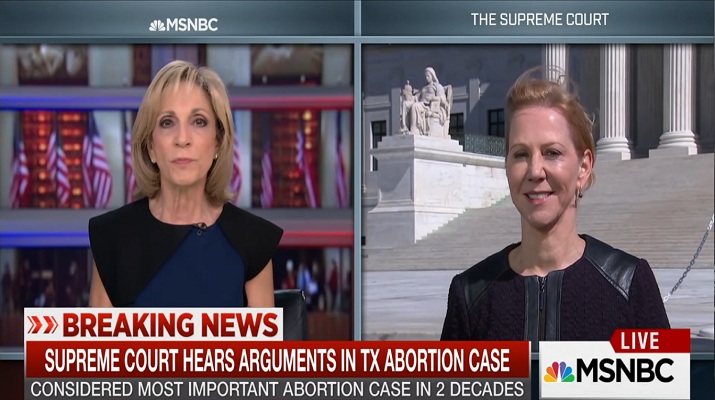


In this clip, Los Angeles Times reporter Molly Hennessy-Fiske hears from Kristeena Banda -- a clinic administrator at Whole Woman's Health, an abortion clinic in McAllen, Texas -- about what is at stake in a legal challenge to parts of Texas' omnibus antiabortion-rights law (HB 2). The Supreme Court heard oral arguments in the case, Whole Woman's Health v. Hellerstedt, earlier this month.
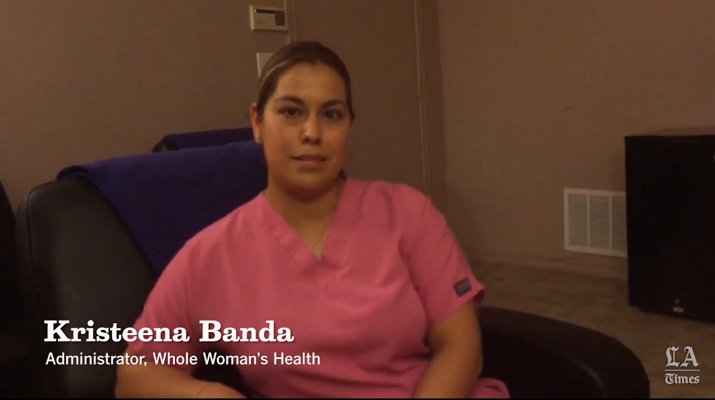
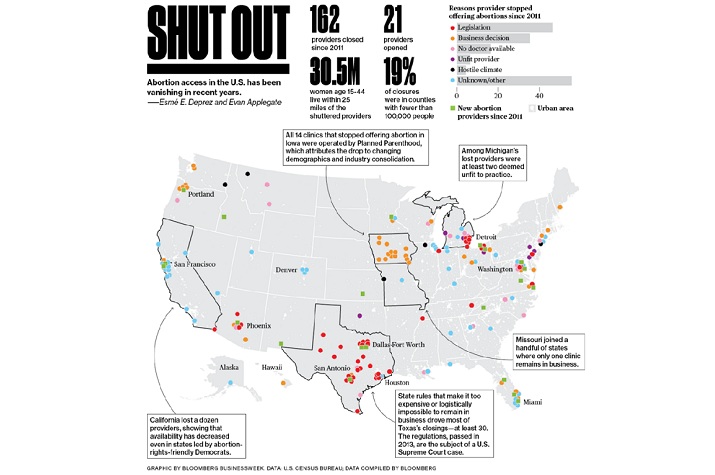
Noting that the Rio Grande Valley, where McAllen is located, "is one of the most underserved, overpopulated, [low-income] areas" in Texas and the United States, Banda notes, "[S]hould the Supreme Court rule in favor of the state, you are essentially stripping the nation's poorest area from health care or from abortion access."
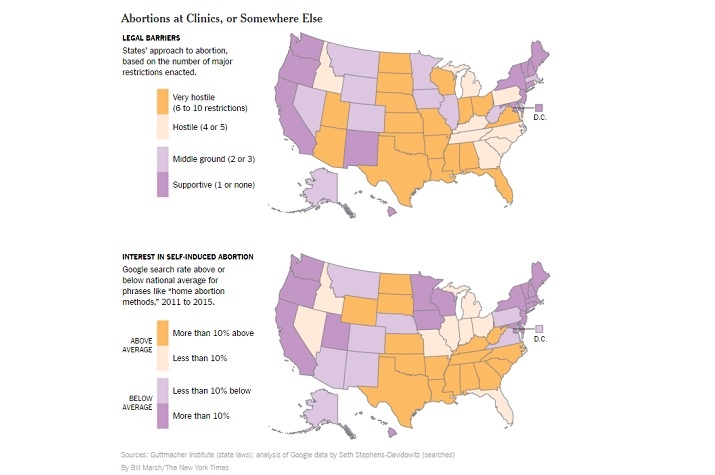
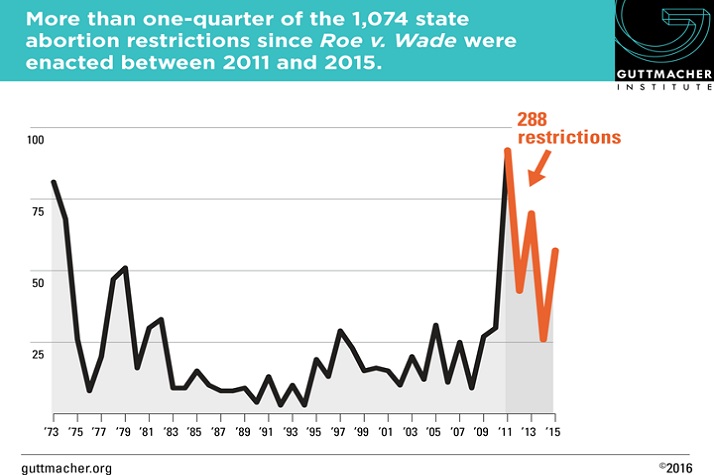
Moreover, she notes that if the high court upholds the law, "[o]ther states will see this as a victory and they will start to implement the same types of laws and restrictions on abortion access." According to Banda, an increase in such laws would lead to clinic closures that would force a woman seeking abortion care to turn to unsafe means. She says, "You can take away the access to abortion, but it's never going to take away the need for it. Women will do what they need to terminate an unwanted pregnancy. And that oftentimes means putting themselves in danger, putting their lives in danger, leaving behind a family " (Hennessy-Fiske, Los Angeles Times, 3/12).