

Telemedicine could improve access to medication abortion for women who do not live near reproductive health providers, according to a report published Monday in JAMA Internal Medicine, Reuters reports.
Background
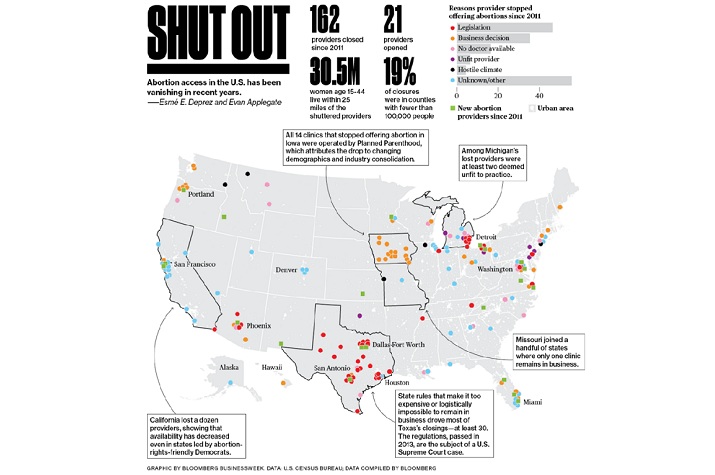
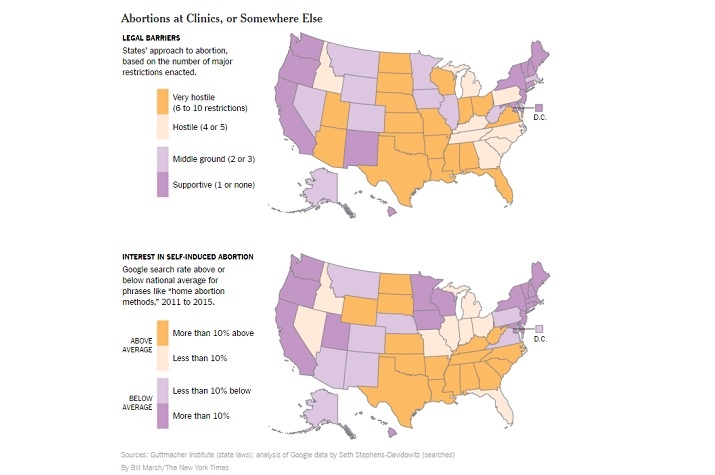
According to the researchers, many U.S. women live at least 100 miles from the nearest abortion clinic (Rapaport, Reuters, 3/28). Mississippi, Missouri, South Dakota and North Dakota each have only one outpatient abortion clinic, the researchers wrote, while at least one state, Wyoming, has no such clinic (Raymond et al., JAMA Internal Medicine, 3/28).
Currently, U.S. regulations require that clinics, doctors' offices or hospitals provide any medication abortion prescribed via telemedicine. According to Reuters, medication abortion is administered in the United States in a two-step process: A woman first ingests mifepristone and then ingests the second drug, misoprostol, 24 to 48 hours later. Follow-up visits at the clinic are recommended within two weeks of a medication abortion to confirm that the pregnancy has been terminated. Medication abortion can be provided up to 10 weeks of pregnancy.
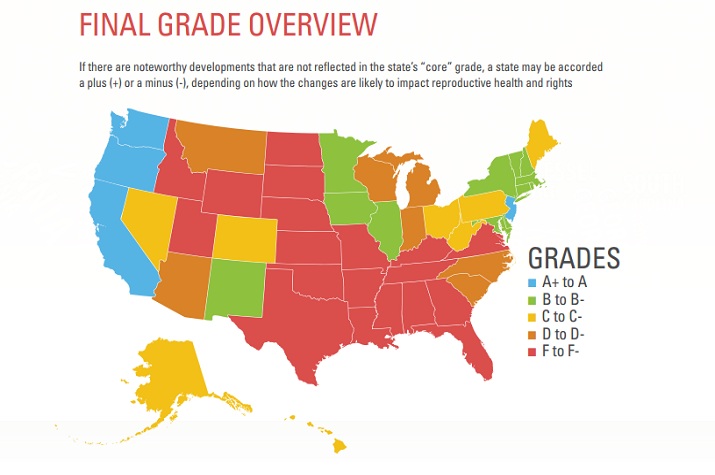
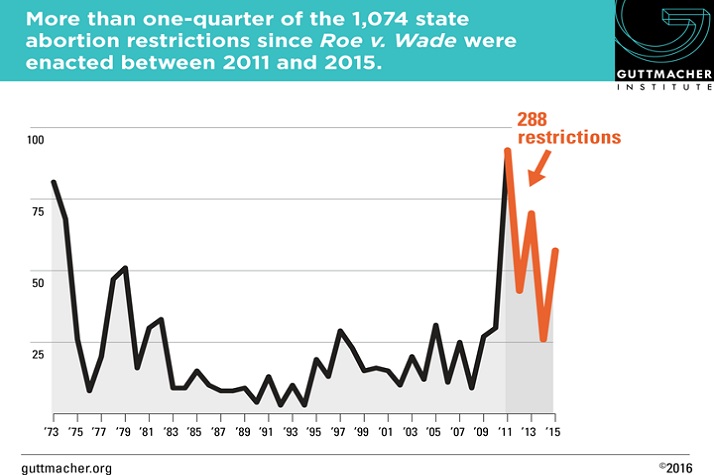
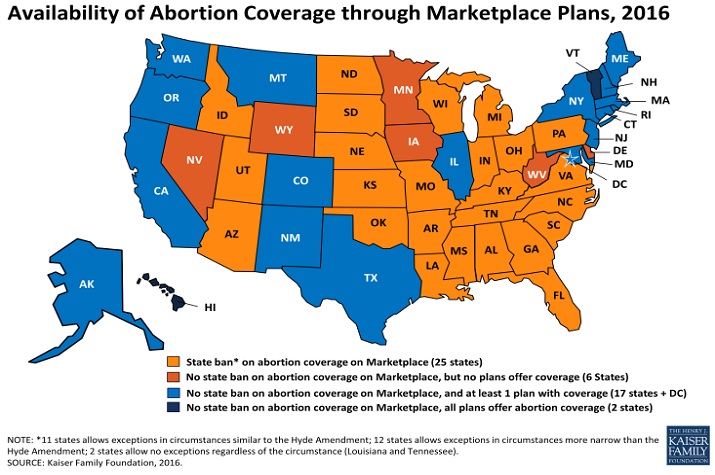
However, in addition to regulations requiring medication abortion be prescribed at a medical facility, the researchers noted that several states have imposed restrictions banning telemedicine abortion completely or mandating that a woman seeking medication abortion have an in-person exam.
Report details
The report cites a 2008 Planned Parenthood program in Iowa, which was first formal program for telemedicine abortion in the United States. Physicians in the program examined patients' labs and imaging results and met with patients, who were at a health clinic, via videoconference before authorizing the clinic to dispense the medication.
According to the researchers, the program in its first year increased the number of locations in Iowa providing abortion care from six to 17. The researchers found that the success rate was 99 percent among the 233 women who returned for a follow-up visit, and only one patient experienced a serious adverse event (Reuters, 3/28).
The researchers said the Iowa model is being expanded to certain other states.
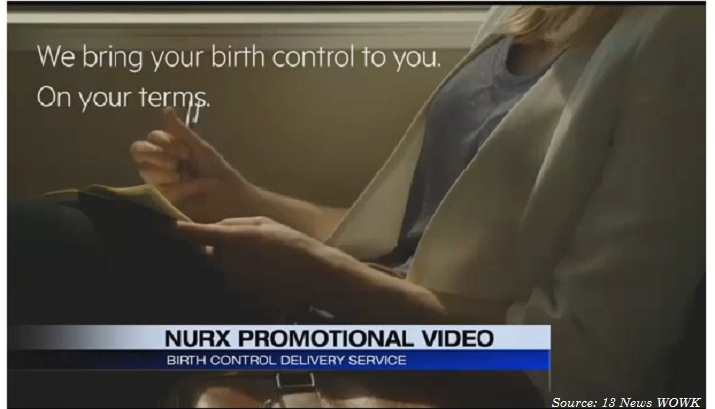
In addition, the researchers wrote that several states later this year are set to participate in a study of "direct-to-patient telemedicine abortion," which is currently not allowed in the United States. According to the researchers, a woman seeking medication abortion via direct-to-patient telemedicine receives the drugs by mail or prescription instead of at a medical facility. Such programs have been successfully implemented in British Columbia and Australia, the researchers wrote (JAMA Internal Medicine, 3/28).
Comments
One of the study researchers, Elizabeth Raymond of Gynuity Health Projects in New York in an email wrote, "The use of telemedicine is growing ... It has tremendous potential to make many essential services more accessible, more convenient and cheaper. Medical abortion is such a service."
Katy Kozhimannil -- a health policy researcher at the University of Minnesota School of Public Health, who was not involved in the study -- commented, "Currently, more than half of rural woman don't have access to reproductive health services anywhere in their county ... For these women, telemedicine can make medication abortion more accessible."
Kozhimannil added, "Non-clinical factors, including state and federal regulations, influence requirements such as exams and in-person clinician visits." According to Kozhimannil, "Many of these decisions are influenced by political factors, and not explicitly made based on medical evidence" (Reuters, 3/28).