
National Partnership for Women & Families

In the News

Fla. Supreme Court halts 24-hour mandatory delay law

The Florida Supreme Court on Friday ruled 5-2 to halt enforcement of a 24-hour mandatory delay law (HB 633) that requires a woman seeking abortion care to make multiple trips to a clinic, the AP/Fort Meyers News-Press reports.

The law is on hold while a lawsuit challenging the measure in state court continues (Farrington, AP/Fort Meyers News-Press, 4/22).

Law details

The law requires a woman to meet in person with a physician at least 24 hours prior to having an abortion. Florida already requires a woman to receive counseling from a physician prior to the procedure.

The law waives the delay for women who are survivors of rape, incest, human trafficking or domestic violence. However, the exemptions only will be provided if the woman can produce certain documentation, such as medical records, police reports or restraining orders.

Background on case

One day after Gov. Rick Scott (R) signed the legislation in June 2015, the Center for Reproductive Rights (CRR), the American Civil Liberties Union (ACLU) and ACLU of Florida challenged the law in state court.

Leon County Circuit Judge Charles Francis granted a temporary injunction to stop the law from taking effect. Shortly after Francis issued the injunction, Florida Attorney General Pam Bondi's (R) office filed a notice that it would appeal the measure. The legal action immediately stayed the injunction, which meant that the law was allowed to take effect as scheduled.

ACLU and CRR asked the judge to lift the stay and reinstate the injunction blocking the law. In July 2015, Leon County Circuit Judge Charles Dodson vacated the stay after an emergency hearing.

Florida asked the state's First District Court of Appeal to reverse the stay. In February, a three-judge panel for the court ruled in favor of the state, saying that the temporary injunction did not meet a legal test required for a temporary injunction.

In March, the First District Court of Appeal rejected an emergency motion to reinstate the injunction while the plaintiffs appealed the appeals court's decision to the state Supreme Court (Women's Health Policy Report, 3/16).

Comments

Nancy Northup, president and CEO of CRR, praised the ruling, saying, "Today's ruling ensures Florida women will be able to get the constitutionally protected health care they need, when they need it, without enduring an insulting and potentially dangerous [mandatory delay]" (Ferris, The Hill, 4/22).

Separately, Nancy Abudu, legal director of the ACLU of Florida, said, "Women should not suffer this burden while there is an ongoing challenge to this unconstitutional law. Forcing women seeking an abortion to make multiple visits that are medically unnecessary especially burdens poor and working women, and is potentially dangerous." She noted, "This law was about the legislature creating needless burdens to limit a woman's access to reproductive care" (AP/Fort Meyers News-Press, 4/22).

Julia Kaye, staff attorney at the ACLU's Reproductive Freedom Project, said, "We hope the court will ultimately agree that Florida women are capable of making decisions about their health and their families without political interference ... and that the Florida Constitution tolerates nothing less" (Auslen, Tampa Bay Times/Miami Herald Tallahassee bureau, 4/22).

Laura Goodhue -- executive director of Florida Alliance of Planned Parenthood Affiliates, which is not a party in the lawsuit -- criticized the law, detailing how it limited access to care for women in the state after it went into effect. She said, "It's definitely been difficult for many [women]. They've traveled a great distance just to be told they have to come back and take time off work or classes." Goodhue added, "Politicians are passing laws with the intent of shaming and judging women" (AP/Fort Meyers News-Press, 4/22).

Video Round Up

WILX News 10's Faith Miller reports on new legislation (SB 897, SB 898) in Michigan aimed at ending the so-called "tampon tax."

Video Round Up

WCCO's Pat Kessler reports on Planned Parenthood's recent response to a slate of antiabortion-rights legislation in Minnesota, which Planned Parenthood is calling "the most aggressive attack against [the] organization in years."

Video Round Up

In this clip, RTV6's Katie Heinz discusses a new social medial campaign launched in reaction to a harmful Indiana law (HB 1337) that bans abortion care based on the sex of the fetus or a fetal disability diagnosis, among other restrictions.

Video Round Up

Broadly shares a behind-the-scenes clip from "Across the Line," a virtual reality documentary that uses video and audio recordings from antiabortion-rights protests at U.S. clinics to show viewers what many women experience when trying to access abortion care.

Video Round Up

In this clip, Fox 17 News' Michele DeSelms covers legislation (HB 4787, HB 4830) passed last week in the Michigan House that would penalize individuals who coerce a woman into receiving an abortion.

Video Round Up

In part of a longer clip covering multiple topics, Reuters TV reports on an omnibus antiabortion-rights measure (HB 1411) recently signed into law by Florida Gov. Rick Scott (R) that bars local health departments from distributing funds for non-abortion-related care to organizations affiliated with abortion providers, among several other provisions.

Video Round Up

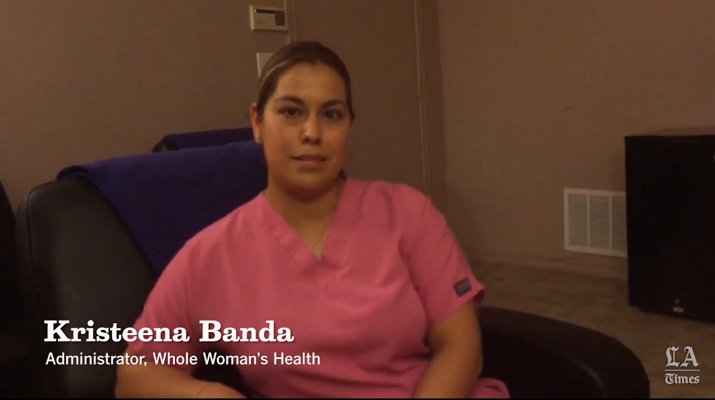
In this clip, Los Angeles Times reporter Molly Hennessy-Fiske hears from Kristeena Banda -- a clinic administrator at Whole Woman's Health, an abortion clinic in McAllen, Texas -- about what is at stake in a legal challenge to parts of Texas' omnibus antiabortion-rights law (HB 2).

Video Round Up

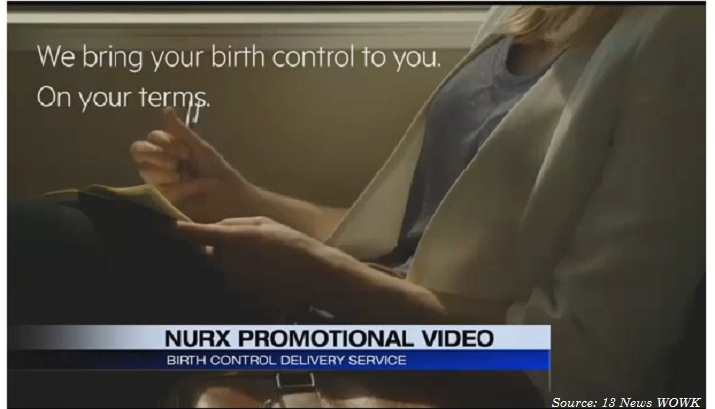
13 News WOWK reporter Alyssa Meisner interviews several women in West Virginia about Nurx, a smartphone application that helps women access birth control.

Video Round Up

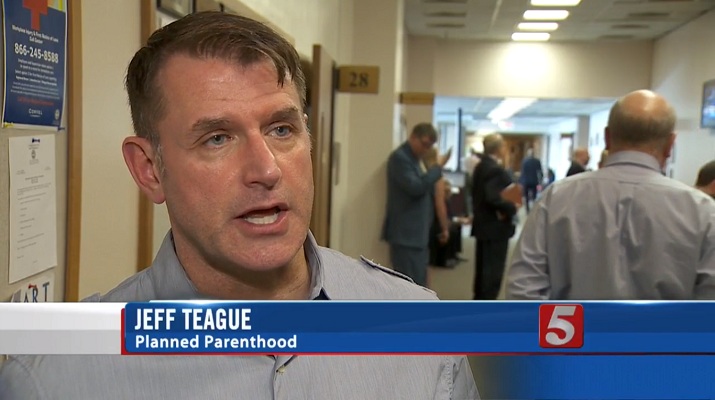
WTVF's Chris Conte reports on the outcome of a Tennessee House subcommittee hearing, which advanced one antiabortion-rights bill while deferring or withdrawing several others.

Video Round Up

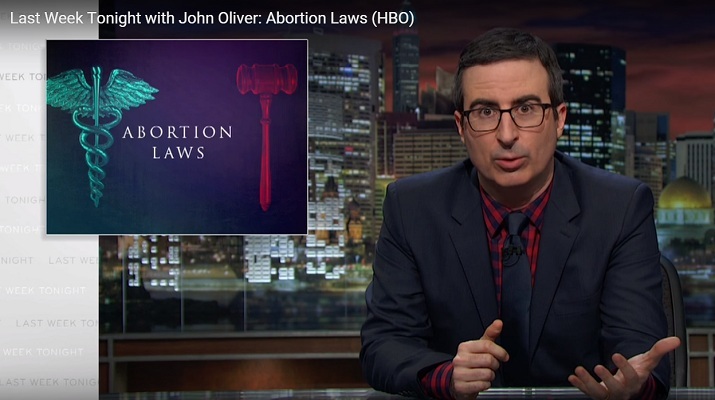
John Oliver on HBO's "Last Week Tonight with John Oliver" discusses the proliferation of attacks on abortion rights in the United States and comments on how such restrictions affect a woman's access to abortion care.

See All

Datapoints

This map, from the Center for Reproductive Rights (CRR), spotlights abortion laws around the world.

Datapoints

In this map, the New York Times highlights the regions in the United States where mosquitos carrying the Zika virus -- which has been linked to a fetal brain defect -- are most likely to spread during the upcoming spring and summer seasons.

Datapoints

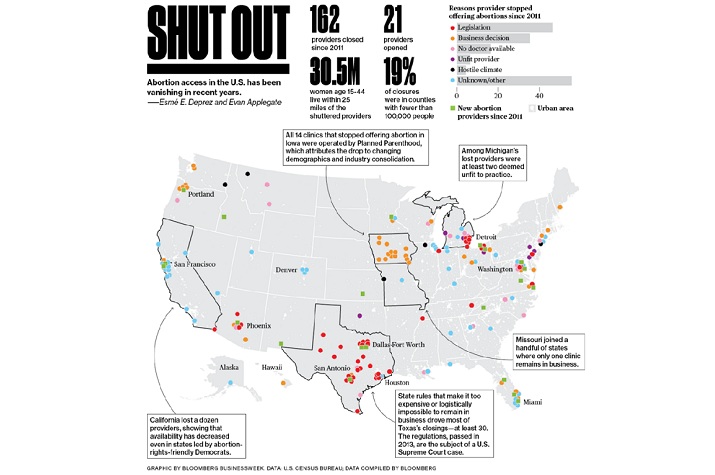
This map, from Bloomberg Business, highlights the rapid decline in abortion access in the United States since 2011.

Datapoints

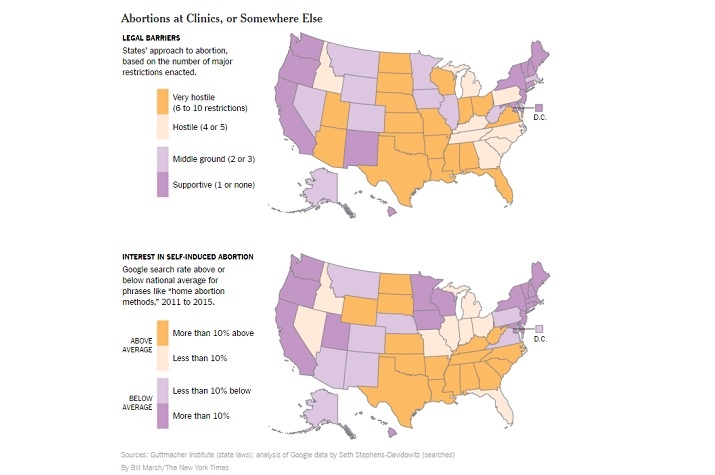
These maps, compiled using data from the New York Times and the Guttmacher Institute, underscore findings from a recent Times investigation, including that there were more than 700,000 searches for how to self-induce an abortion in 2015.

Datapoints

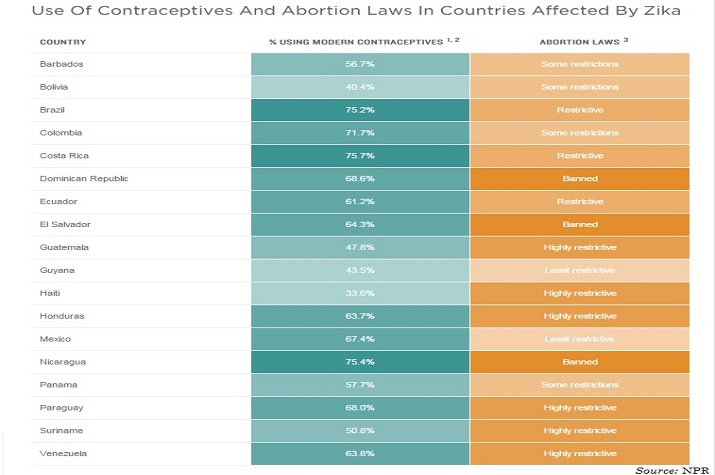
This chart, compiled by NPR, shows how the majority of countries affected by the Zika virus, which might be linked to a severe birth defect, curb access to contraception and abortion care.

Datapoints

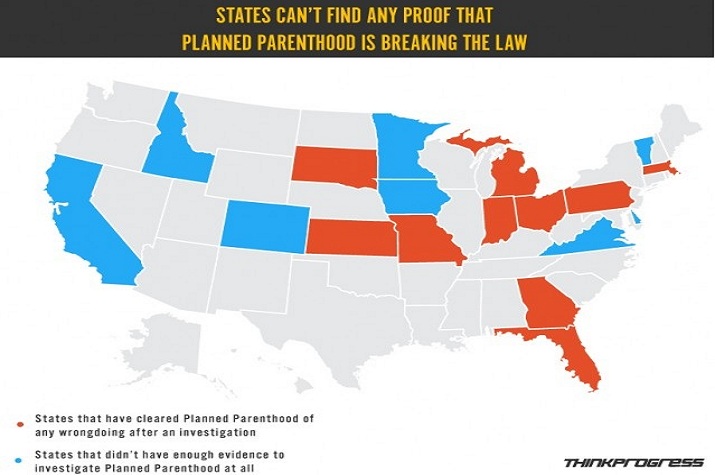
In this map, Center for American Progress' "ThinkProgress" spotlights the 12 states that have cleared Planned Parenthood of any wrongdoing after launching investigations into the organization.

Datapoints

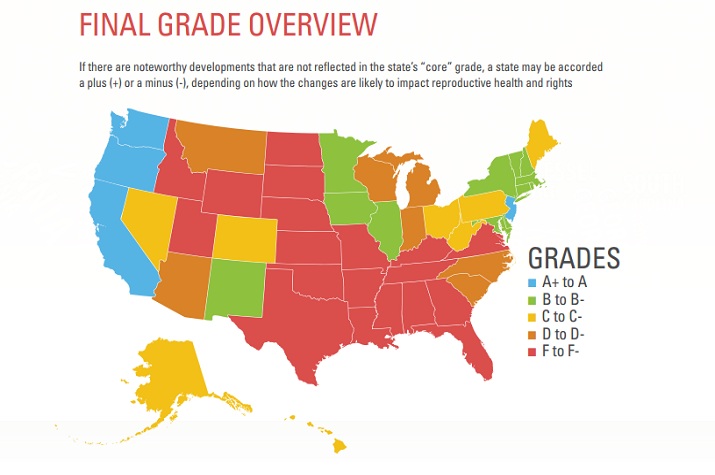
In its latest report card, the Population Institute provides a snapshot of the condition of reproductive rights and health in each state in 2015.

Datapoints

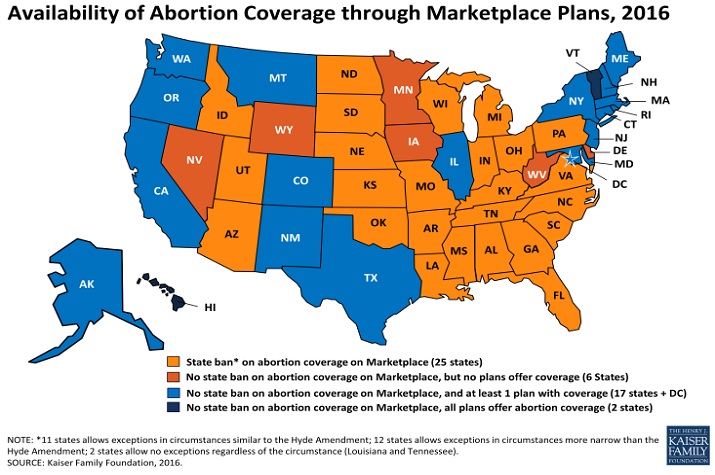
In this map, the Kaiser Family Foundation shows how widely abortion coverage varies from state to state in insurance plans sold through the Affordable Care Act's (PL 111-148) insurance marketplaces.

Datapoints

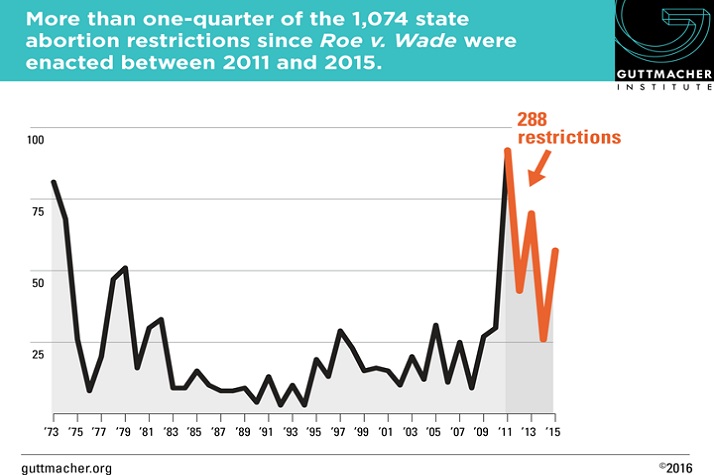
The Guttmacher Institute in this graph shows the rapid increase in the number of state abortion restrictions over the past few years.

Datapoints

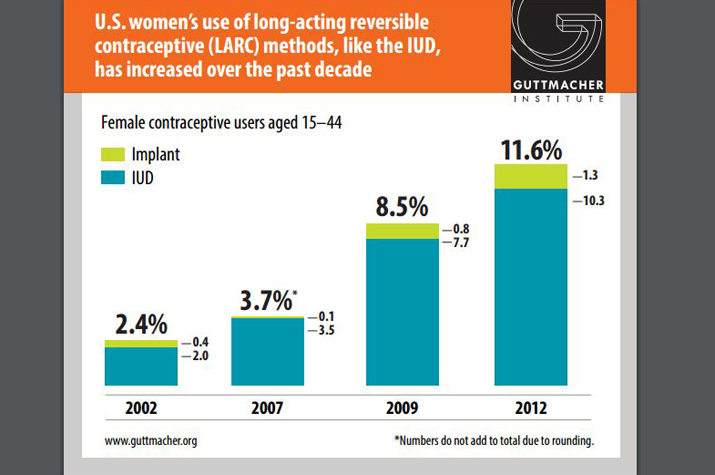
This infographic, released with a new Guttmacher Institute study, shows the increase in use of long-acting reversible contraception among U.S. women between 2002 and 2012.

See All

At a Glance

"A woman's ability to end her pregnancy too often depends on where she lives, her age and how much money is in her pocket."

— Marcela Howell of In Our Own Voice: National Black Women's Reproductive Justice Agenda, discussing ongoing disparities in women's access to abortion care on the 43rd anniversary of Roe v. Wade.

At a Glance

"If women are not free to make decisions about their own lives and health, they are not free. And if women are not free, none of us are."

— Abortion provider Warren Hern, in a STAT News opinion piece on why he continues to offer abortion care despite receiving harassment and death threats throughout his 42-year career.

At a Glance

"Not since before Roe v. Wade has a law or court decision had the potential to devastate access to reproductive health care on such a sweeping scale."

— Nancy Northup, president and CEO of the Center for Reproductive Rights, on a ruling from the 5th U.S. Circuit Court of Appeals that upheld major portions of a Texas antiabortion-rights law.