

The vacancy on the Supreme Court following the recent death of Justice Antonin Scalia "is a reminder that the next president will have great influence over the future of reproductive rights," a New York Times editorial states.
In addition to potentially nominating a candidate for the "Supreme Court, where a conservative majority would threaten Roe v. Wade," the editorial states, "[t]he next president will also have the opportunity to shape the federal judiciary at lower levels." According to the editorial, "While the Supreme Court's decision on Texas' abortion restrictions [HB 2] this term may clarify what kinds of regulations states may impose, lower federal courts will still have a big role in determining how regulations are carried out."
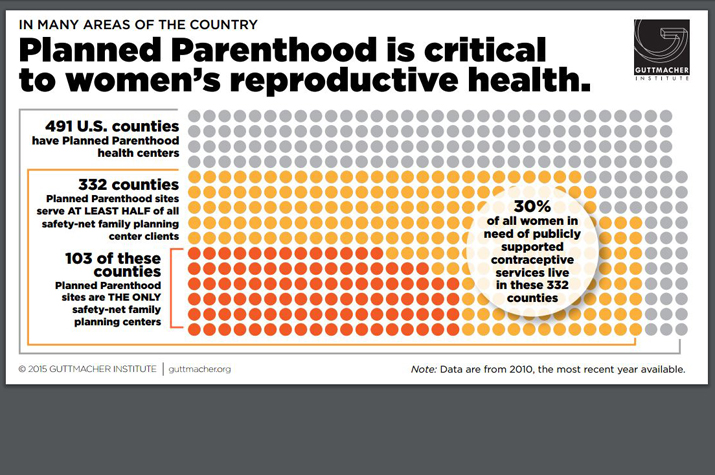
In addition, "[t]he next president will also play a crucial role enforcing federal laws that affect reproductive rights," the editorial notes, citing an instance last year when the Obama administration informed several states that they were violating federal law by "barr[ing] Planned Parenthood from receiving Medicaid reimbursements." The editorial states, "An anti-abortion president might choose to enforce this law less aggressively."
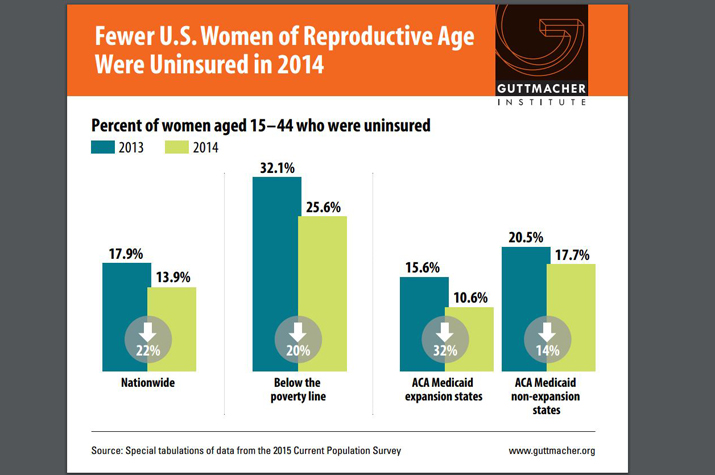
Furthermore, a repeal of the Affordable Care Act (PL 111-148), the editorial states, also "could leave millions of women without health insurance and unable to receive reproductive care." The editorial continues, "The requirement that insurers cover contraceptives without a co-pay is vulnerable even if the law stands; because it is a regulation, it could be reversed by a new administration."
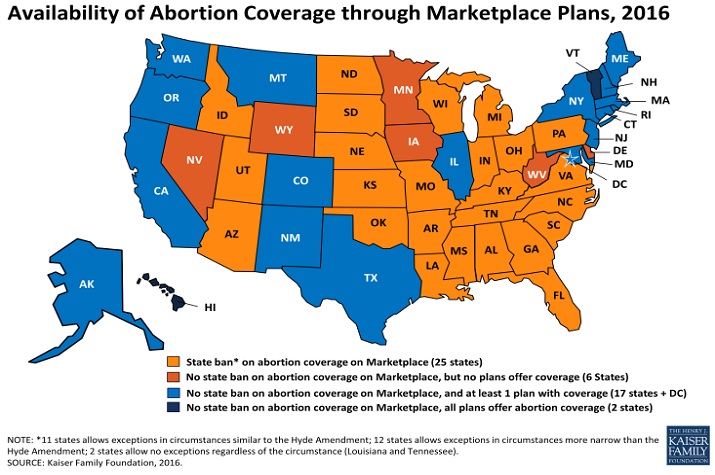
In contrast, the editorial notes that "under a president committed to reproductive rights several restrictions currently in place could be loosened or removed," such as a repeal of the "Hyde Amendment, which bars federal programs like Medicaid from paying for most abortions." According to the editorial, two Democratic presidential candidates have supported ending Hyde and easing "the Helms Amendment, which bans the use of foreign aid to pay for abortion 'as a method of family planning.'" Meanwhile, "[t]he Republican candidates ... are all anti-choice," the editorial states.
The editorial concludes, "Even if abortion remains constitutionally protected, a [conservative] president could do much to limit, if not obliterate, that right for millions of Americans, particularly low-income women, who are most vulnerable to efforts by government to restrict their reproductive freedoms" (New York Times, 3/3).