
National Partnership for Women & Families

In the News

Blogs comment on bills targeting men's health to shed light on abortion restrictions, disproportionate effect of HB 2 on Latina women, more

Read the week's best commentary from bloggers at Slate's "DoubleX," Daily Beast and more.

ABORTION-RIGHTS MOVEMENT:

"Want Viagra? You'll need a rectal exam first." Christina Cauterucci, Slate's "DoubleX": A new Kentucky bill (HB 396), sponsored by state Rep. Mary Lou Marzian (D), "would install several barriers to accessing erectile-dysfunction medication, mirroring the restrictions women face when they pursue abortion services in the state," Cauterucci writes. The bill "is a response to recent moves by the Kentucky state Legislature and Gov. Matt Bevin [R] to make it even harder for women to terminate pregnancies," Cauterucci notes, citing one bill (SB 4) that would add requirements to the state's mandatory counseling law and another (SB 152) that would require physicians to perform an ultrasound and describe the images to women seeking abortion care. Pointing to a trend in similarly "tongue-in-cheek proposals" targeting men's reproductive health care in other states, Cauterucci writes that "these bills are handy rhetorical tricks that expose the hypocrisy and one-sidedness of right-wing overreach," but she questions "their impact as a form of protest." She explains that bills comparing ED access to abortion access can "minimize the urgency of the need for safe, affordable abortion access," because denying men access to ED pills "is not the same sort of imposition on their bodies and lives as forcing them to carry an [unintended] fetus to term and give birth to a child." Further, such legislation is "unlikely to turn any staunch anti-choice believer or misogynist bully, the likes of which are limiting abortion access in the first place." Cauterucci notes that though the first of these bills exposed the "hypocrisy" of abortion restrictions, that "shock factor" might no longer accompany current bills. Cauterucci concludes, "If they want to effect real change, pro-choice politicians should consider messaging tactics" that continue beyond this initial "narrative shift" (Cauterucci, "DoubleX," Slate, 2/17).

What others are saying about the abortion-rights movement:

"'It is time we regulate men's reproductive choices': Kentucky lawmaker on why her new bill limits Viagra access to married men with notes from their spouses," Mary Lou Marzian, Salon.

~ "Stitching for abortion rights," Prosper Hedges, Ms. Magazine blog.

ABORTION RESTRICTIONS:

"Abortion barriers hit Latinas the hardest," Samantha Allen, Daily Beast: While the Supreme Court's ruling in Whole Woman's Health v. Hellerstedt "is set to be the most important abortion decision since Planned Parenthood v. Casey (1992), with sweeping consequences for the sort of restrictions that states can place on abortion providers," the "most immediate effects of the decision will be felt disproportionately by one group: Texan Latinas, and especially those living in the Rio Grande Valley," Allen writes. She cites an amicus brief filed in the case by the National Latina Institute for Reproductive Health (NLIRH), which discusses how "barriers to abortion access have become extreme" since parts of the law at issue in the case, Texas' HB 2, took effect. Noting that more than half of the abortion clinics in the state have closed since provisions in the law took effect, Allen writes, "For Latinas living in the Rio Grande Valley, the clinic closures and reopenings have made abortion access especially convoluted and, in some cases, impossible." According to Allen, the NLIRH amicus brief includes the experiences of three Latina women in Texas under the law, including one whose abortion care was delayed until she was in the second trimester, when the procedure was unaffordable for her, and another who unsuccessfully attempted to self-induce an abortion. "[M]any women have to travel longer distances to reach abortion providers" under the law, Allen writes, but that option might not be feasible for "undocumented Latinas [in the Rio Grande Valley] who cannot get driver's licenses or cannot afford to travel." She notes that while the 5th Circuit Court of Appeals "has allowed Whole Woman's Health in McAllen, Texas, to stay open because it is the sole abortion provider in the Rio Grande Valley," its closure could mean that "Texan Latinas in the Valley may once again have to travel all the way to San Antonio -- or risk Mexico -- for an abortion" (Allen, Daily Beast, 2/18).

What others are saying about abortion restrictions:

~ "Anti-choice governors face Twitter backlash," Jenn Stanley, RH Reality Check.
Video Round Up

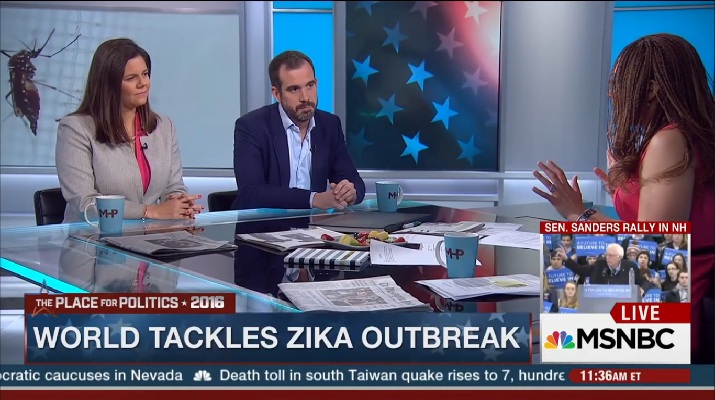
MSNBC's Melissa Harris-Perry hears from guests about the implications of the Zika virus outbreak for women in countries that have limited access to reproductive health care.

Video Round Up

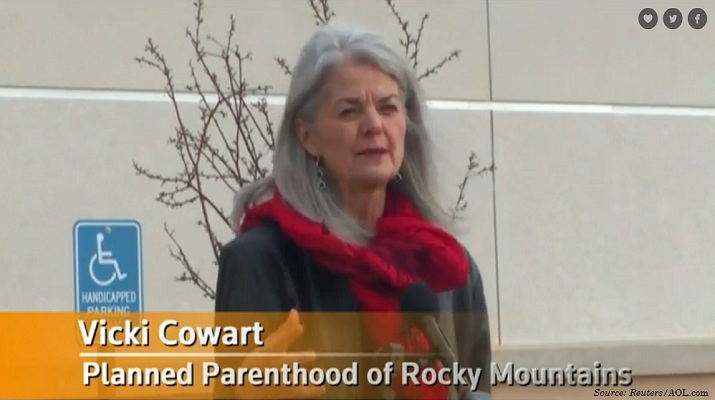
In this clip from Reuters/AOL.com, Vicki Cowart, CEO of Planned Parenthood of the Rocky Mountains, speaks about the reopening of a Planned Parenthood clinic in Colorado that was the site of a deadly shooting last November.

Video Round Up

In a short film presented by Refinery29 in partnership with Planned Parenthood, several women share personal abortion stories.

Video Round Up

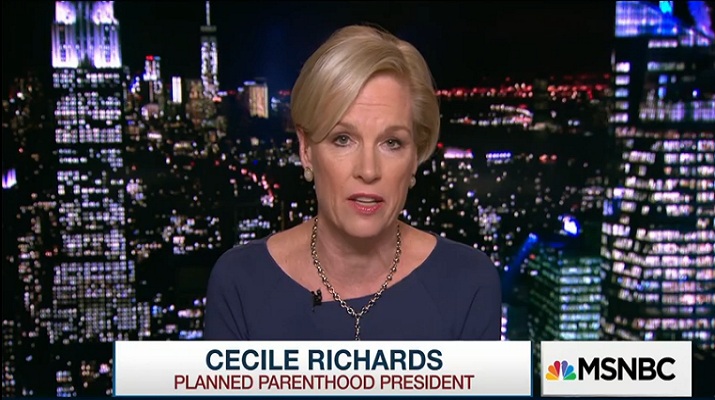
In this clip, Cecile Richards, president of Planned Parenthood Federation of America and Planned Parenthood Action Fund, speaks with MSNBC's Chris Matthews about a Texas grand jury investigation into Planned Parenthood that cleared the organization of wrongdoing and instead resulted in indictments for two abortion-rights opponents involved in filming misleading videos targeting Planned Parenthood.

Video Round Up

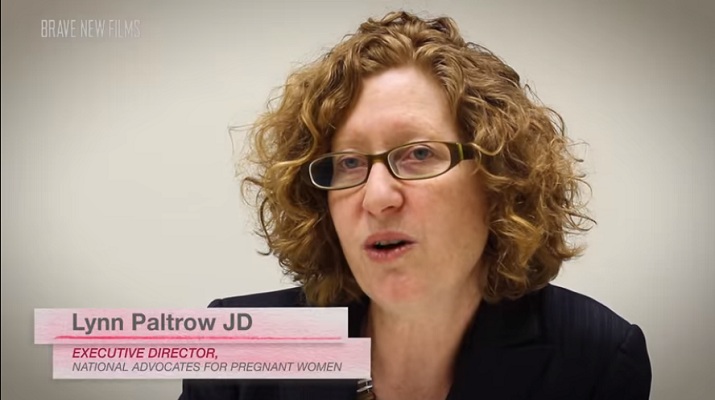
"To Prison for Pregnancy," a documentary presented by Brave New Films, discusses how U.S. feticide laws are being used to penalize pregnant women, particularly minority and low-income women.

Video Round Up

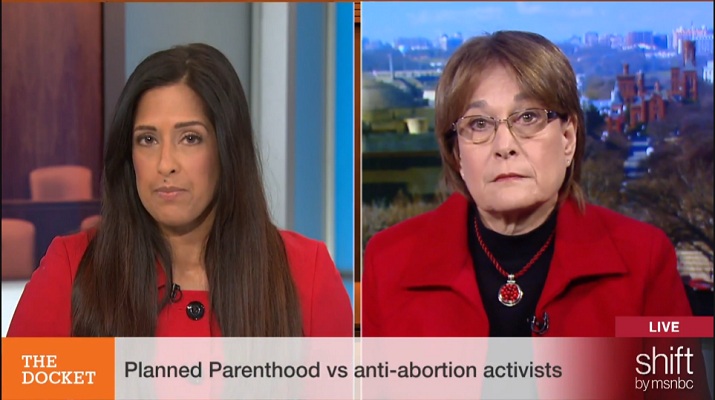
Seema Iyer, host of MSNBC's "The Docket," hears from Vicki Saporta, president of the National Abortion Federation, about legal challenges facing the Center for Medical Progress, an antiabortion-rights group that released a series of misleading videos targeting Planned Parenthood.

Video Round Up

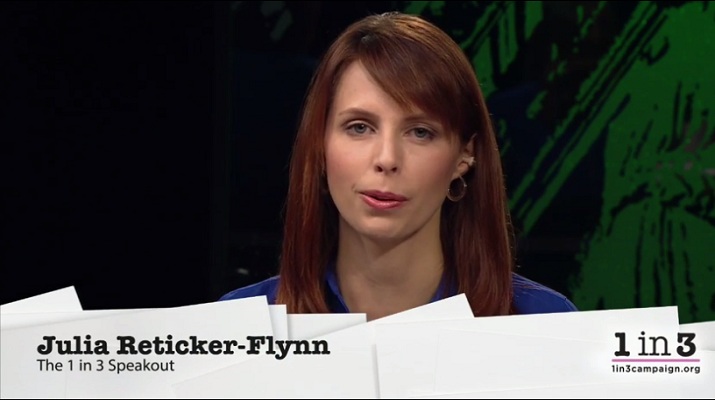
In this video, Julia Reticker-Flynn, campaign director of Advocates for Youth's 1 in 3 Campaign, hosts the project's second annual abortion speakout, which features participants' personal abortion stories and experiences to combat abortion stigma.

Video Round Up

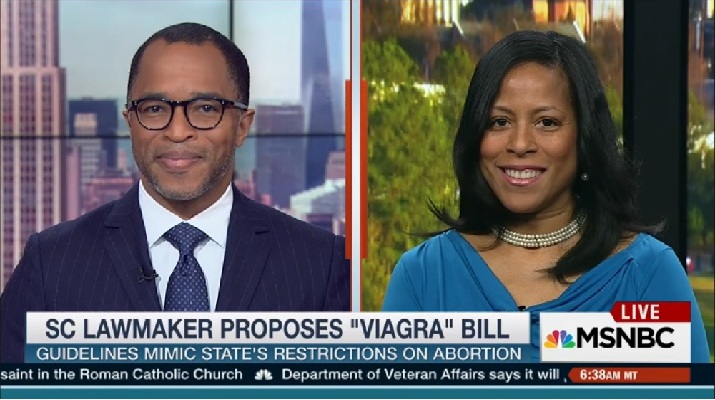
MSNBC's Jonathan Capehart talks with South Carolina Rep. Mia McLeod (D) about a bill (H 4544) she proposed that would apply antiabortion-rights style restrictions to erectile dysfunction drugs.

Video Round Up

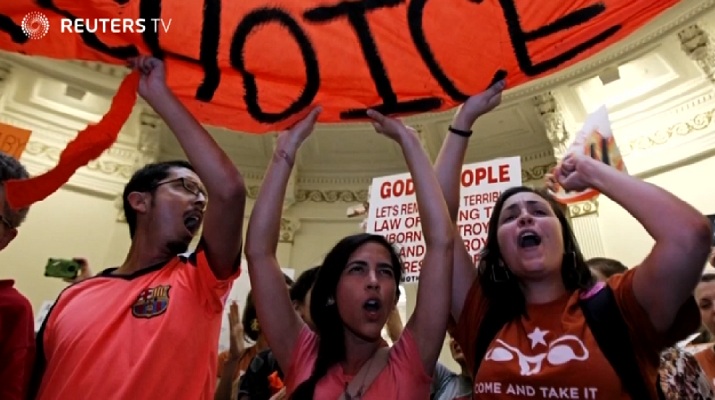
In this clip, Joan Biskupic, legal affairs editor for Reuters, discusses the personal stories shared by abortion-rights supporters in amicus briefs urging the Supreme Court to strike down contested provisions in Texas' omnibus antiabortion-rights law (HB 2).

Video Round Up

For CNN's "Anderson Cooper 360," CNN National Correspondent Gary Tuchman profiles the security measures in place at an abortion clinic, Cherry Hill Women's Center, in New Jersey.

See All

Datapoints

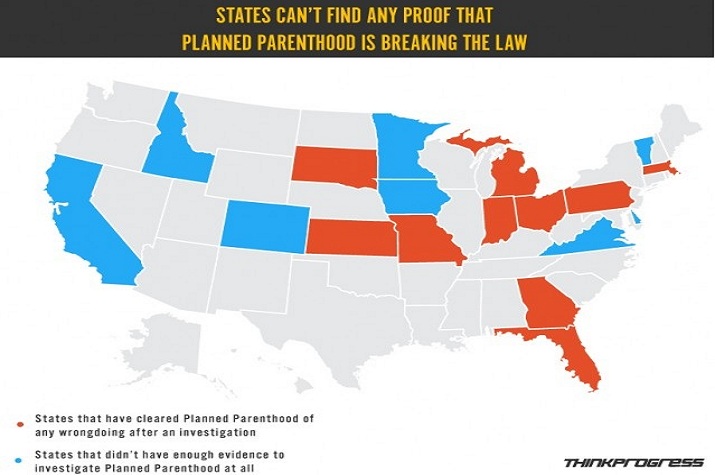
In this map, Center for American Progress' "ThinkProgress" spotlights the 12 states that have cleared Planned Parenthood of any wrongdoing after launching investigations into the organization following the release of misleading videos targeting Planned Parenthood's fetal tissue donation program.

Datapoints

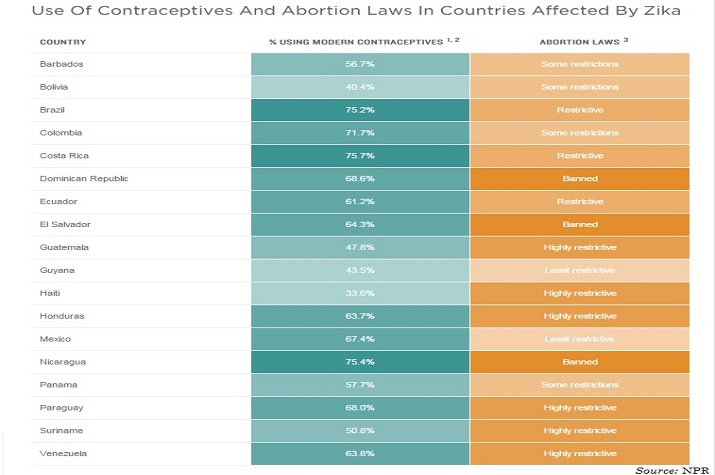
This chart, compiled by NPR, shows how the majority of countries affected by the Zika virus, which might be linked to a severe birth defect, curb access to contraception and abortion care.

Datapoints

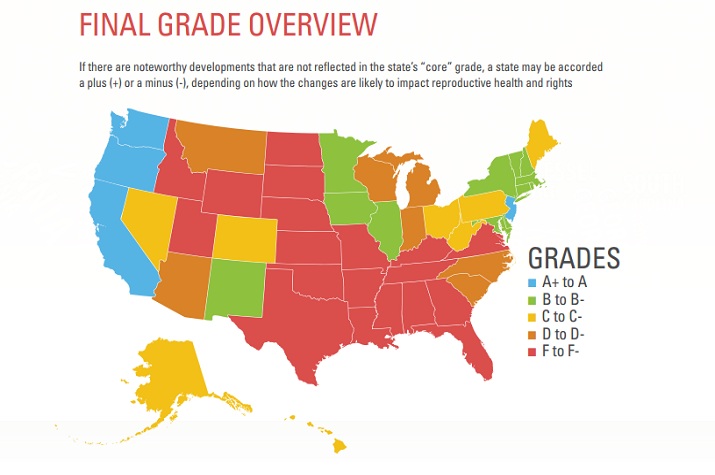
In its latest report card, the Population Institute provides a snapshot of the condition of reproductive rights and health in each state in 2015.

Datapoints

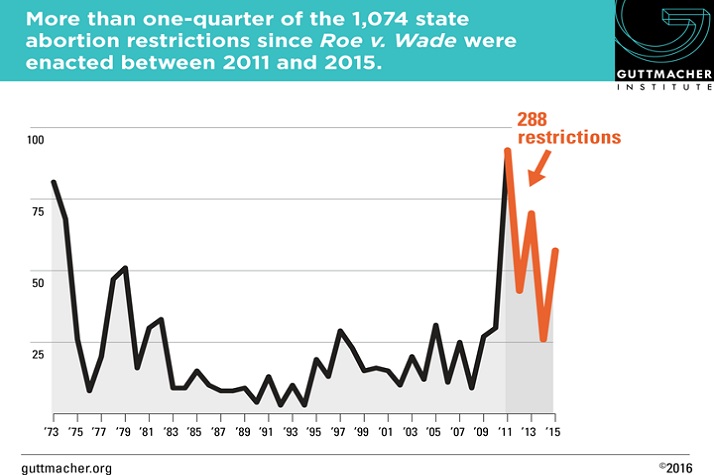
The Guttmacher Institute in this graph shows the rapid increase in the number of state abortion restrictions over the past few years.

Datapoints

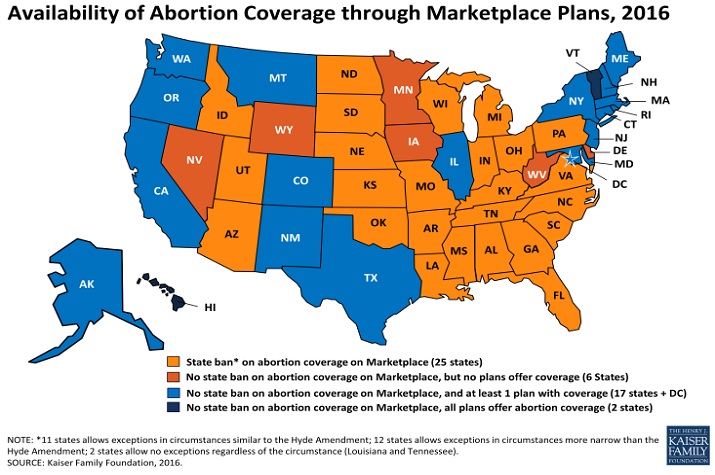
In this map, the Kaiser Family Foundation shows how widely abortion coverage varies from state to state in insurance plans sold through the Affordable Care Act's (PL 111-148) insurance marketplaces.

Datapoints

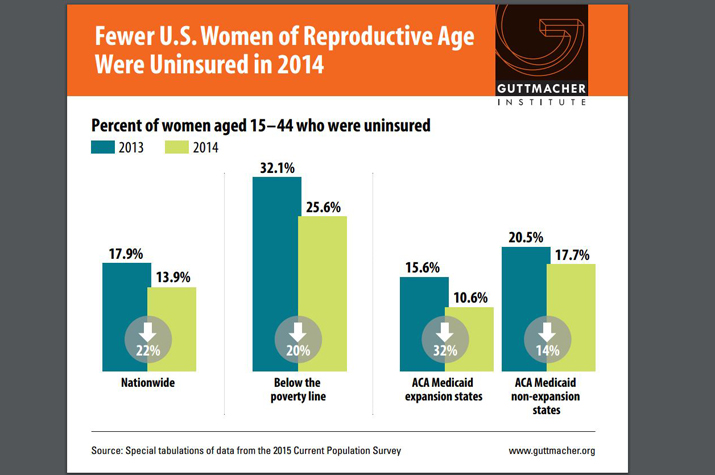
In this infographic, the Guttmacher Institute shows how the proportion of uninsured reproductive-age women in the U.S. declined from 17.9% in 2013 to 13.9% in 2014, the first year in which the Affordable Care Act was implemented fully.

Datapoints

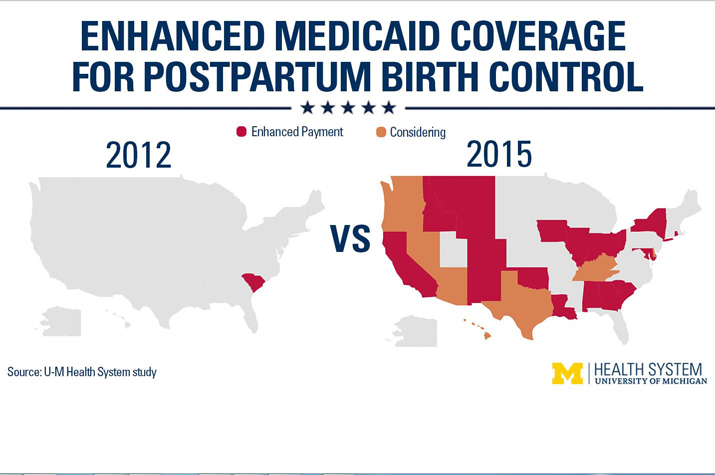
This map, released with a study from the University of Michigan Health System, shows how an increasing number of state Medicaid programs over the last three years are providing reimbursement for immediate postpartum LARC provision.

Datapoints

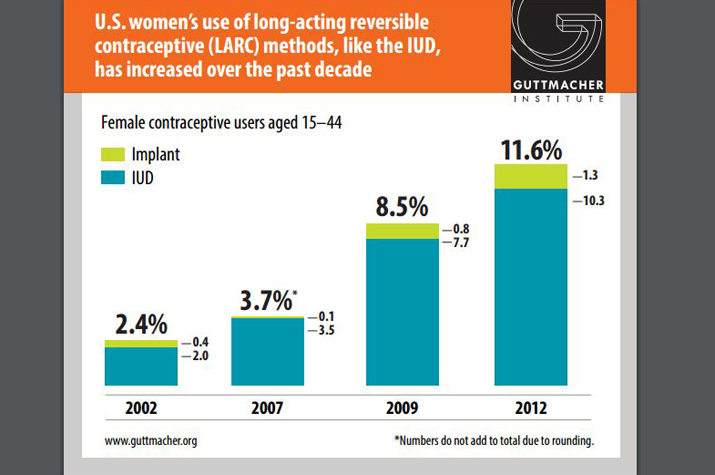
This infographic, released with a new Guttmacher Institute study, shows the increase in use of long-acting reversible contraception among U.S. women between 2002 and 2012.

Datapoints

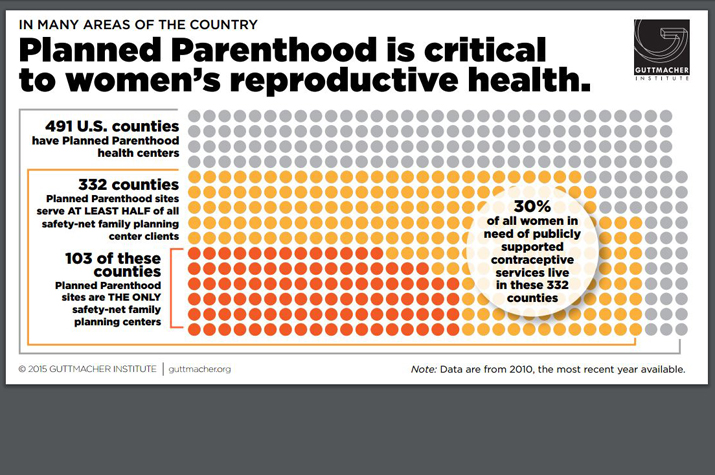
The Guttmacher Institute in this infographic counters antiabortion-rights claims that alternative providers could cover any gaps in health care services if Planned Parenthood is defunded.

Datapoints

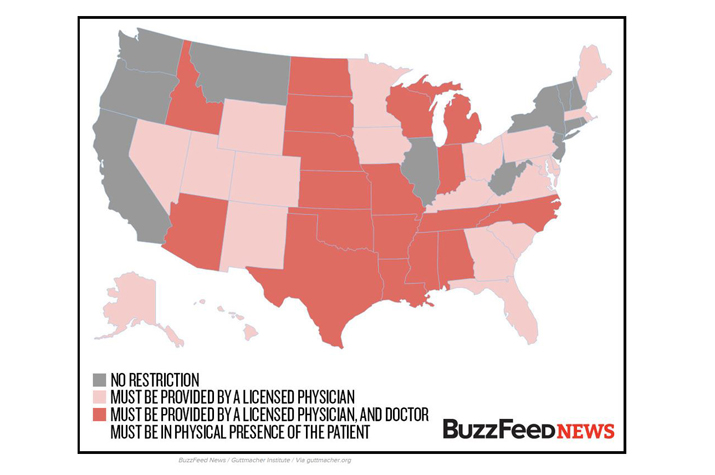
This map marks the 15th anniversary of medication abortion's FDA approval by detailing certain restrictions on the drugs across the country. According toBuzzfeed News, lawmakers in 38 states have passed these medication abortion restrictions.

See All

At a Glance

"A woman's ability to end her pregnancy too often depends on where she lives, her age and how much money is in her pocket."

— Marcela Howell of In Our Own Voice: National Black Women's Reproductive Justice Agenda, discussing ongoing disparities in women's access to abortion care on the 43rd anniversary of Roe v. Wade.