
National Partnership for Women & Families

In the News

Ohio House passes bill to defund Planned Parenthood

The Ohio House on Wednesday voted 59-32 to approve legislation (HB 294) that would defund Planned Parenthood clinics in the state, Reuters reports.

The bill now heads to Gov. John Kasich (R), a candidate seeking the Republican nomination for president, who is expected to sign it (Palmer, Reuters, 2/10). The state Senate approved the legislation in January.

Background

In 2015, the state House and Senate (SB 214) proposed companion measures to defund Planned Parenthood in response to a series of misleading videos targeting the organization's fetal tissue donation program. Conservative leaders in the Ohio Legislature decided to move forward with the House version of the measure.

Planned Parenthood has stated that the videos were heavily edited and that the filmed officials did not conduct any illegal activities.

According to a Planned Parenthood official in Ohio, the organization does not participate in a fetal donation program in the state. Planned Parenthood of Greater Ohio has 28 clinics in the state, including three facilities that provide abortion care. Overall, PPGO serves about 80,000 patients.

Bill details

The bill would cut $1.3 million in public funding for Planned Parenthood. Specifically, under the bill, organizations that provide or advocate for abortion care, are affiliated with organizations that provide or advocate for abortion care, or have contracts with organizations that provide abortion care would not be eligible to receive the funding.

The state Department of Health distributes grants to programs for federal- and state-funded breast and cervical cancer screenings, HIV testing and programs on infant mortality. The overall amount of funding would remain intact under the bill, but it would be redirected to other entities (Women's Health Policy Report, 1/29).

Implications

According to Planned Parenthood, the proposed cuts would negatively affect women who receive health care from the organization, many of whom have lower incomes (Somashekhar, Washington Post, 2/10). However, the organization said clinics will remain open if the bill is signed.

"This money is not going to change anything about the health care or abortion care that we provide to women in Ohio," said Stephanie Kight, president and CEO of Planned Parenthood of Greater Ohio (PPGO). She added, "These are community health programs that are being cut out and destroyed" (Sanner, AP/Sacramento Bee, 2/10).

Separately, Kelli Hykes, director of public health policy at Columbus Public Health, expressed concern about how the bill, if enacted, would be implemented. According to city officials, the bill's prohibition on grant recipients affiliating with organizations that advocate for abortion care could extend to insurers and hospitals.

Hykes said, "We'll be looking to the Ohio Department of Health to see how they officially interpret the legislation and what sort of onus they are going to put on local health departments to ensure that we don't have a relationship with groups that [advocate for] abortion [care]."

Comments

Cecile Richards, president of Planned Parenthood Federation of America, said, "We've seen the dire consequences for women, men and young people when politicians block access to care at Planned Parenthood health centers." She added, "It's time for political games to end -- and for Governor Kasich to veto this bill so Ohioans don't lose vital care" (Washington Post, 2/10).

Kellie Copeland, executive director of NARAL Pro-Choice Ohio, said, "There's no legitimate justification for defunding Planned Parenthood. Every excuse by legislators has been debunked" (Reuters, 2/10).
Video Round Up

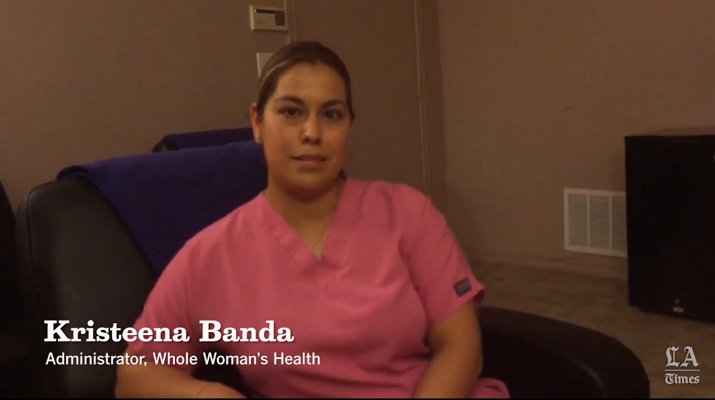
In this clip, Los Angeles Times reporter Molly Hennessy-Fiske hears from Kristeena Banda -- a clinic administrator at Whole Woman's Health, an abortion clinic in McAllen, Texas -- about what is at stake in a legal challenge to parts of Texas' omnibus antiabortion-rights law (HB 2).

Video Round Up

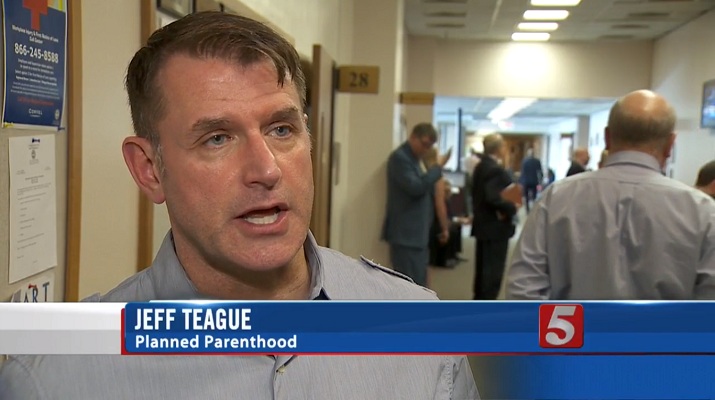
WTVF's Chris Conte reports on the outcome of a Tennessee House subcommittee hearing, which advanced one antiabortion-rights bill while deferring or withdrawing several others.

Video Round Up

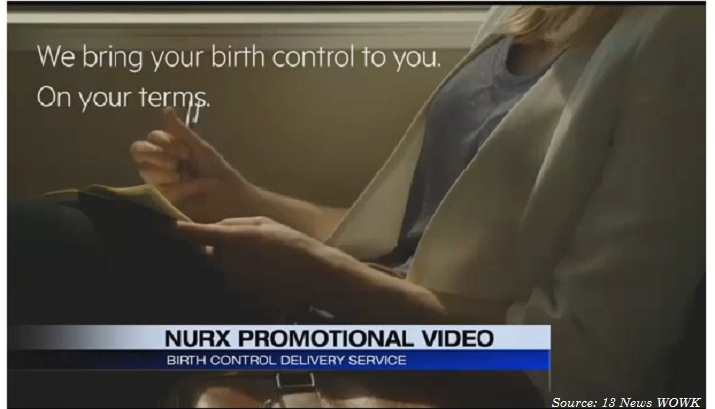
13 News WOWK reporter Alyssa Meisner interviews several women in West Virginia about Nurx, a smartphone application that helps women access birth control.

Video Round Up

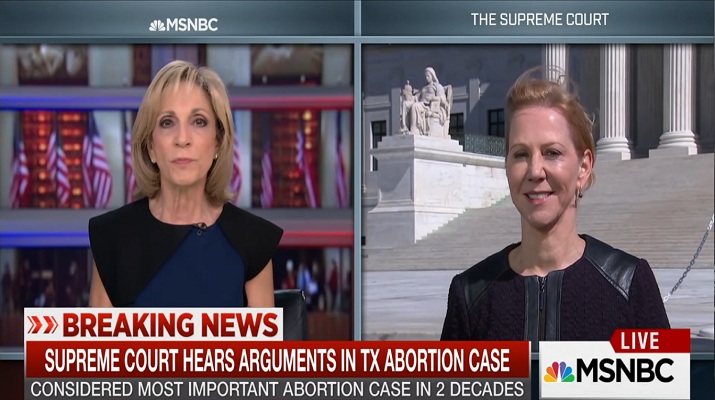
MSNBC's Andrea Mitchell hears from Nancy Northup, president of the Center for Reproductive Rights, about oral arguments before the Supreme Court in a case challenging provisions of Texas' omnibus antiabortion-rights law (HB 2).

Video Round Up

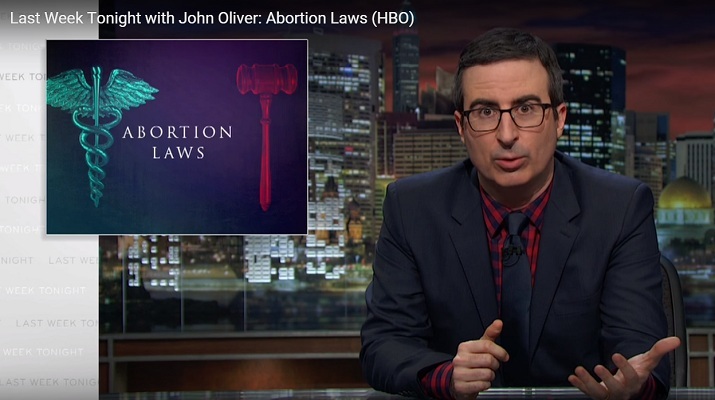
John Oliver on HBO's "Last Week Tonight with John Oliver" discusses the proliferation of attacks on abortion rights in the United States and comments on how such restrictions affect a woman's access to abortion care.

Video Round Up

In a segment on HB 2, comedian Samantha Bee interviews Ilyse Hogue, president of NARAL Pro-Choice America, and Texas Rep. Dan Flynn (R), one of the bill's authors, for TBS' "Full Frontal with Samantha Bee," Vox reports.

Video Round Up

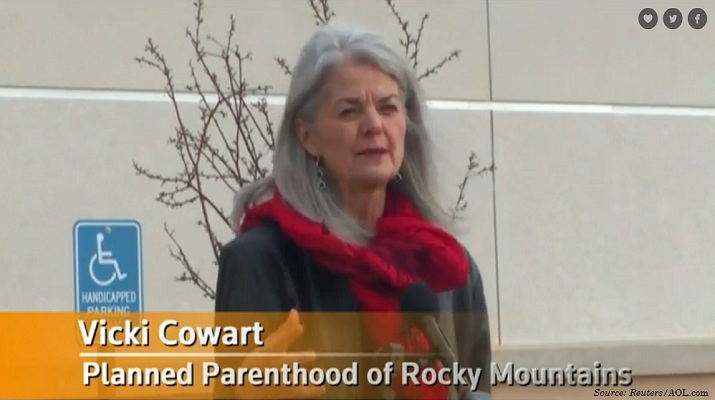
In this clip from Reuters/AOL.com, Vicki Cowart, CEO of Planned Parenthood of the Rocky Mountains, speaks about the reopening of a Planned Parenthood clinic in Colorado that was the site of a deadly shooting last November.

Video Round Up

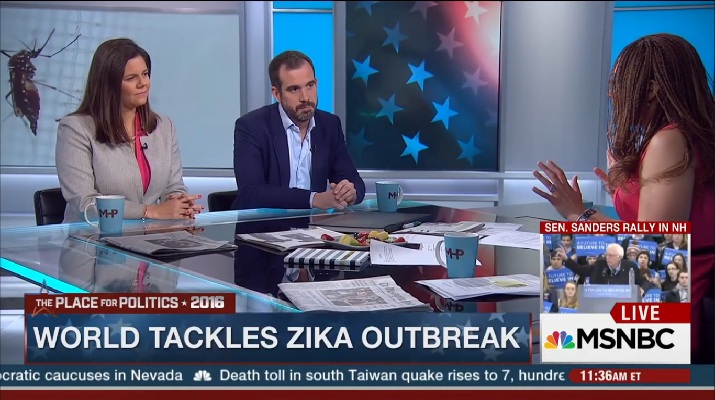
MSNBC's Melissa Harris-Perry hears from guests about the implications of the Zika virus outbreak for women in countries that have limited access to reproductive health care.

Video Round Up

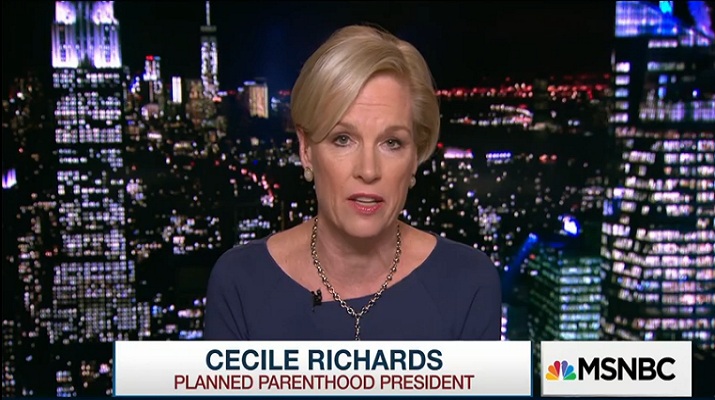
Planned Parenthood president Cecile Richards speaks with MSNBC's Chris Matthews about a Texas grand jury investigation into Planned Parenthood that cleared the organization of wrongdoing and instead resulted in indictments for two abortion-rights opponents involved in filming misleading videos targeting Planned Parenthood.

Video Round Up

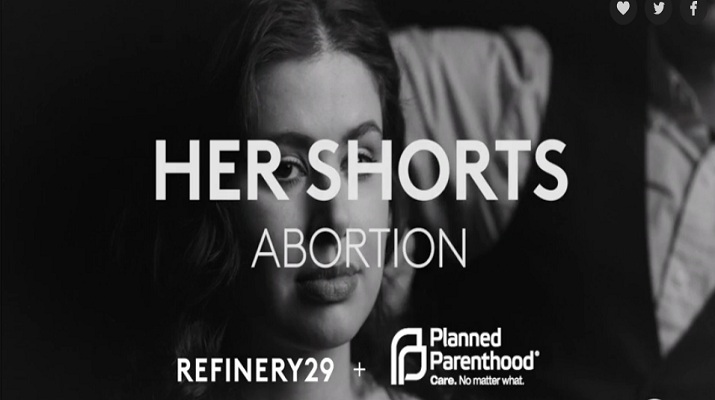
In a short film presented by Refinery29 in partnership with Planned Parenthood, several women share personal abortion stories.

See All

Datapoints

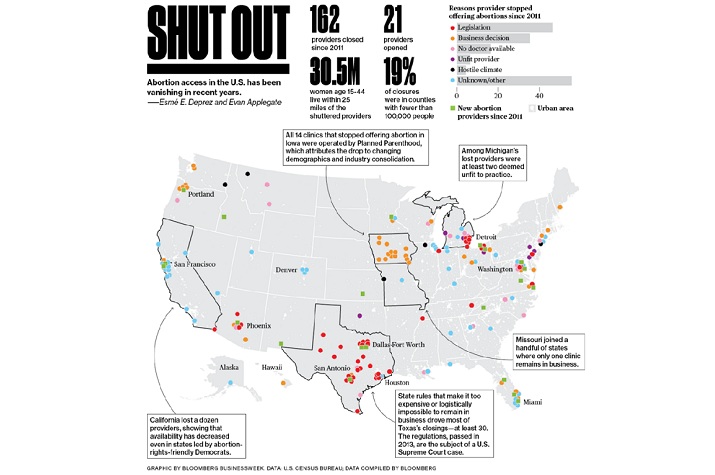
This map, from Bloomberg Business, highlights the rapid decline in abortion access in the United States since 2011.

Datapoints

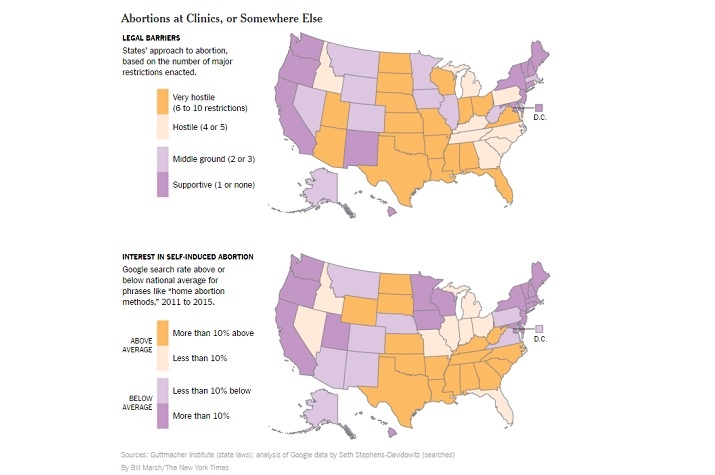
These maps, compiled using data from the New York Times and the Guttmacher Institute, underscore findings from a recent Times investigation, including that there were more than 700,000 searches for how to self-induce an abortion in 2015.

Datapoints

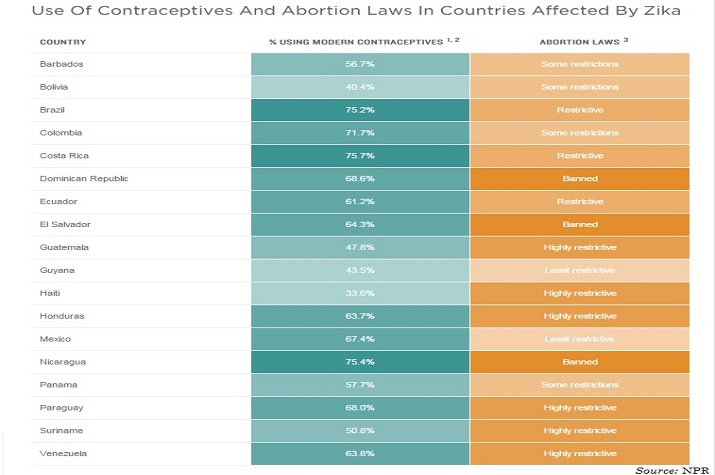
This chart, compiled by NPR, shows how the majority of countries affected by the Zika virus, which might be linked to a severe birth defect, curb access to contraception and abortion care.

Datapoints

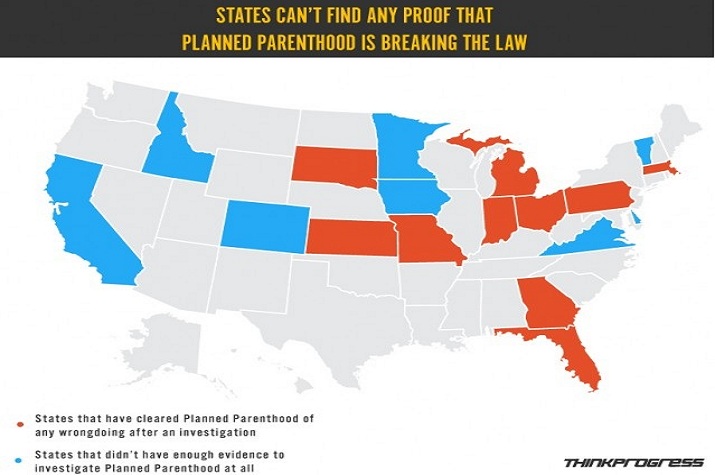
In this map, Center for American Progress' "ThinkProgress" spotlights the 12 states that have cleared Planned Parenthood of any wrongdoing after launching investigations into the organization.

Datapoints

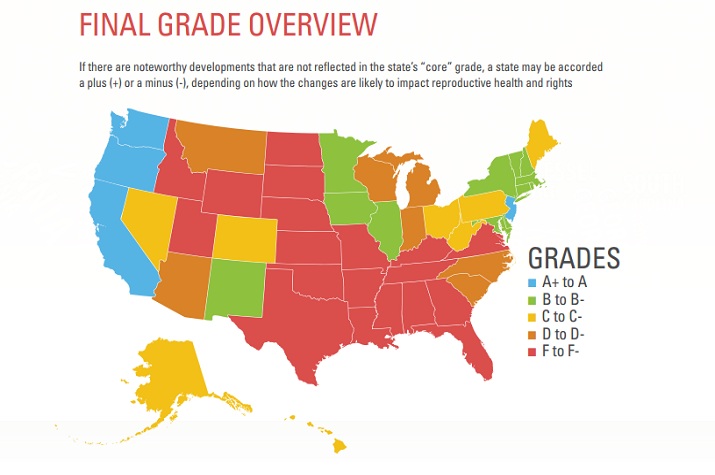
In its latest report card, the Population Institute provides a snapshot of the condition of reproductive rights and health in each state in 2015.

Datapoints

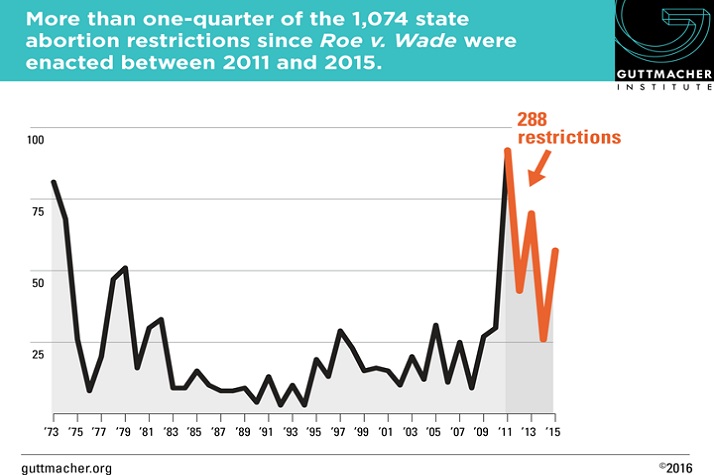
The Guttmacher Institute in this graph shows the rapid increase in the number of state abortion restrictions over the past few years.

Datapoints

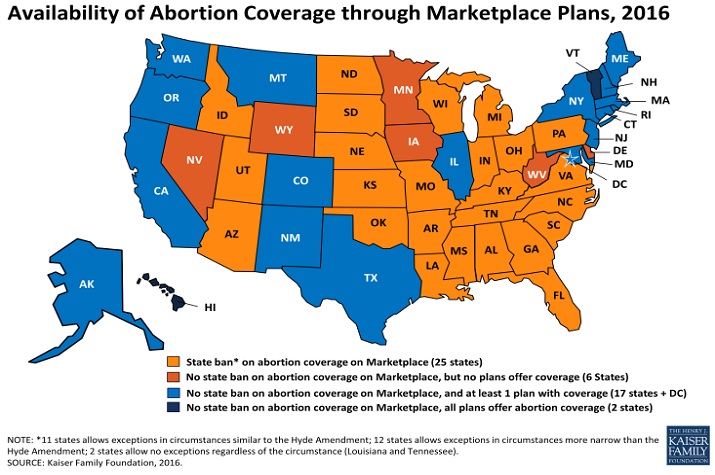
In this map, the Kaiser Family Foundation shows how widely abortion coverage varies from state to state in insurance plans sold through the Affordable Care Act's (PL 111-148) insurance marketplaces.

Datapoints

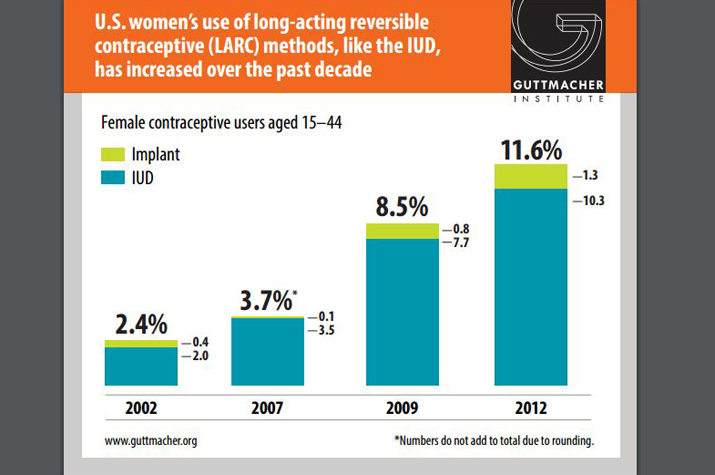
This infographic, released with a new Guttmacher Institute study, shows the increase in use of long-acting reversible contraception among U.S. women between 2002 and 2012.

Datapoints

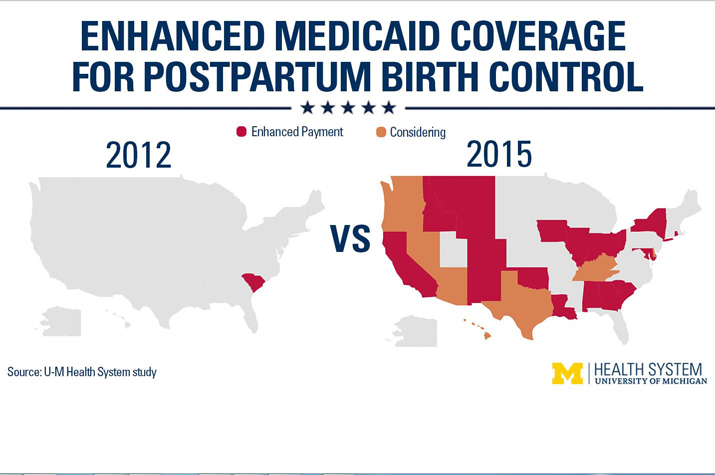
This map, released with a study from the University of Michigan Health System, shows how an increasing number of state Medicaid programs over the last three years are providing reimbursement for immediate postpartum LARC provision.

Datapoints

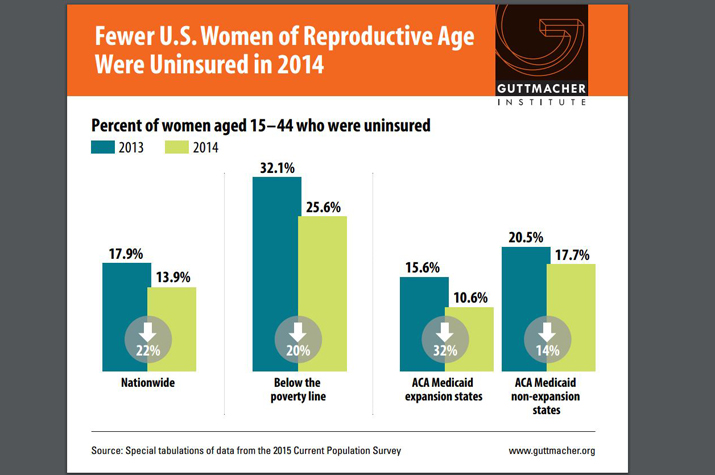
In this infographic, the Guttmacher Institute shows how the proportion of uninsured reproductive-age women in the U.S. declined from 17.9% in 2013 to 13.9% in 2014, the first year in which the Affordable Care Act was implemented fully.

See All

At a Glance

"A woman's ability to end her pregnancy too often depends on where she lives, her age and how much money is in her pocket."

— Marcela Howell of In Our Own Voice: National Black Women's Reproductive Justice Agenda, discussing ongoing disparities in women's access to abortion care on the 43rd anniversary of Roe v. Wade.

At a Glance

"If women are not free to make decisions about their own lives and health, they are not free. And if women are not free, none of us are."

— Abortion provider Warren Hern, in a STAT News opinion piece on why he continues to offer abortion care despite receiving harassment and death threats throughout his 42-year career.

At a Glance

"Not since before Roe v. Wade has a law or court decision had the potential to devastate access to reproductive health care on such a sweeping scale."

— Nancy Northup, president and CEO of the Center for Reproductive Rights, on a ruling from the 5th U.S. Circuit Court of Appeals that upheld major portions of a Texas antiabortion-rights law.