

The stigma surrounding abortion care and legislation targeting abortion providers has made it more costly and logistically complicated to operate an abortion clinic in recent years, resulting in the closure of many such facilities, Bloomberg Business reports.
Clinics are primary provider of abortion care
According to Bloomberg Business, abortion clinics provide about 94 percent of all abortion care in the United States because hospitals are unable or unwilling to provide such services.
Specifically, Bloomberg Business reports that hospitals frequently are prohibited from offering abortion care because of religious affiliations or because of local or state government restrictions. Limited abortion coverage and low reimbursement rates also deter hospitals that are able to provide abortion care, as does the political controversy over abortion rights, according to Bloomberg Business. Overall, hospitals provide about 4 percent of abortion care in the United States.
In addition, a 2013 survey found that although all ob-gyn residency programs nationwide are supposed to offer training in abortion care, not all of them do. The few ob-gyns who do receive training are often unable to offer such care at their future practices because antiabortion-rights protests and boycotts could endanger their business.
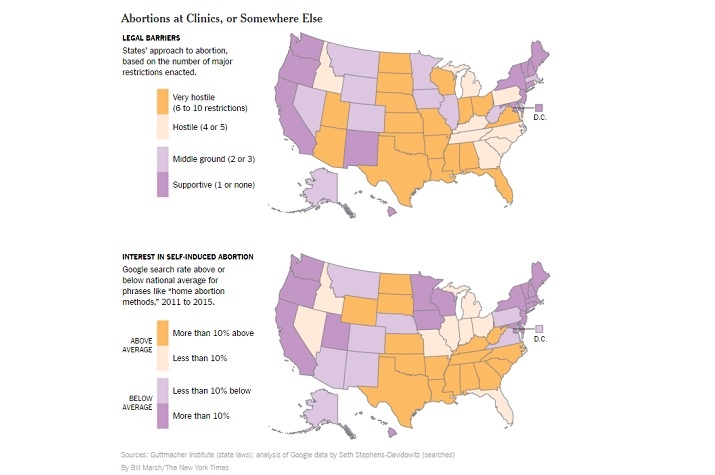
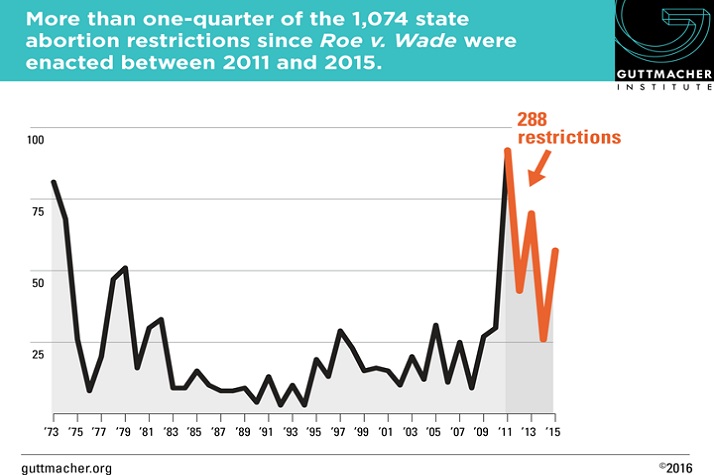
As a result, most abortion care is provided through independent clinics, which must meet widely varying standards for operation from state to state. According to Bloomberg Business, abortion-rights opponents have been working to restrict abortion access through targeted regulation of abortion providers (TRAP laws).
For example, 22 states require abortion clinics to meet building standards similar to those of ambulatory surgical centers. At least 11 states regulate the width of clinic rooms or hallways. The American Medical Association and the American Congress of Obstetricians and Gynecologists have called such requirements medically "unnecessary and illogical" (Winter, Bloomberg Business, 2/24).
Clinics closing at record rate
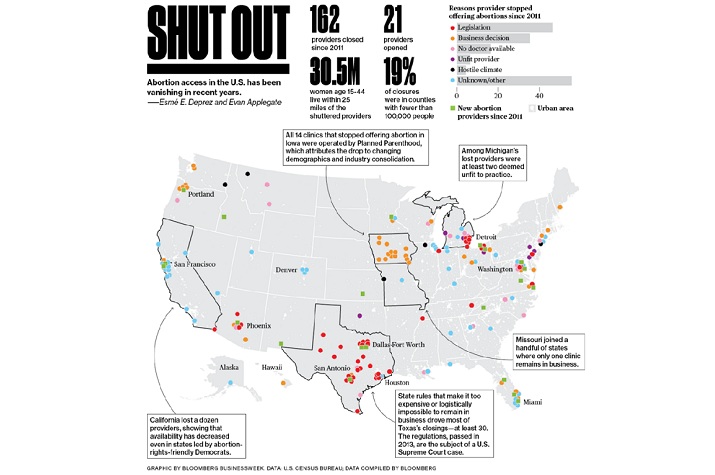
A recent Bloomberg investigation found that an average of 31 abortion clinics are closing per year, marking a rate of about one clinic shutting down every two weeks. That rate is the fastest annual pace of clinic closures since 2011.
Overall, since 2011, at least 162 abortion providers in 35 states have closed or stopped offering abortion care. Those states are home to more than 30 million women of reproductive age. In contrast, the investigation found that only 21 new abortion clinics have opened in the last five years and that the reopening of a clinic that had closed was even rarer (Women's Health Policy Report, 2/25).
TRAP laws and similar abortion restrictions are among several factors driving the record rate of clinic closures in the United States, Bloomberg Business reports. The Supreme Court will soon consider these types of restrictions when it hears a legal challenge involving provisions in Texas' omnibus antiabortion-rights law (HB 2). According to Bloomberg Business, the Supreme Court will essentially have to decide if such restrictions make it too costly for abortion clinics to remain in operation, thereby posing an undue burden on patients unable to access the procedure.
Restricted coverage
In addition to TRAP laws, federal and state lawmakers are targeting abortion providers by restricting the use of public funding for abortion care.
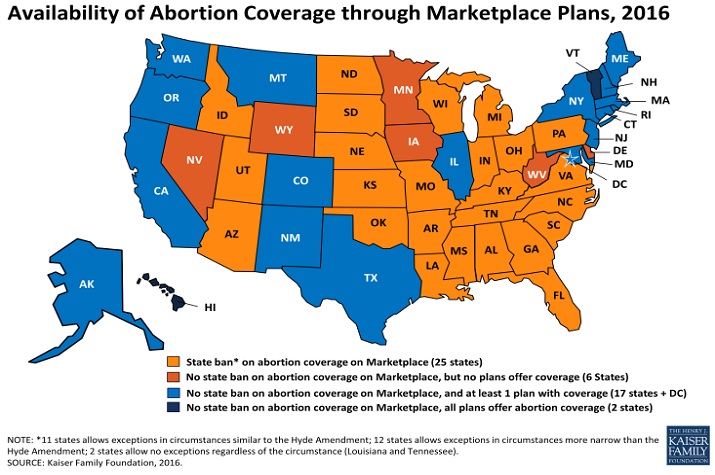
The 1976 Hyde Amendment prohibits the use of federal funding for almost all abortion care, and Medicaid programs in 33 states do not cover the procedure under most circumstances. In addition, 25 states restrict plans sold through their Affordable Care Act (PL 111-148) insurance marketplaces from covering abortion care except in limited circumstances, and 10 states bar all insurers from offer such coverage aside from a few limited exceptions.
Abortion stigma
According to Bloomberg Business, abortion clinics also struggle to carry out the everyday transactions needed to keep their facilities in operation because many local businesses object to abortion rights or want to avoid backlash from abortion-rights opponents.
Clinics have encountered difficulties securing mortgages, purchasing insurance, and making agreements with contractors and vendors, among other obstacles. According to Bloomberg Business, the issue is particularly significant in rural and conservative regions of the country.
Private sector forces also pressure clinics
Private sector forces also have added financial pressure to abortion clinics, countering claims from abortion-rights supporters that abortion care is a financially lucrative field, Bloomberg Business reports.
According to Bloomberg Business, the average amount paid nationwide for the most common abortion procedures is about $450. That rate has remained relatively flat for decades, despite inflation and increased costs in other areas of health care.
Simultaneously, the TRAP laws enacted by abortion-rights opponents have increased clinics' construction and operating costs. Further, at many clinics, staff members include administrators, counselors, nurses, physicians, security guards and sonographers, all of whom patients might be required to interact with at least twice under mandatory delay laws. The combined salaries for such positions cost hundreds of thousands of dollars.
For example, Julie Burkhart -- a former colleague of murdered abortion provider George Tiller and current owner of South Wind Women's Center in Kansas -- pays roughly $20,000 per year to fly in a physician from out-of-state who is willing to provide abortion care later in pregnancy. In addition to her regular operating costs, she also has to pay about $45,000 annually for security.
According to Bloomberg Business, the cost of building a standard abortion clinic also is a factor. For example, building an ambulatory surgical center in Oklahoma -- which Burkhart is looking to do -- would cost about $285 per square foot, while a standard abortion clinic would cost about $175. In Texas, operating an ambulatory surgical center costs about $40,000 more per month than running a standard abortion clinic.
As clinics try to keep the cost of obtaining abortion care down, they can struggle to turn a profit or come out even. For example, according to Bloomberg Business, Whole Woman's Health operates at between a 1 percent or 2 percent profit or at a loss. Amy Hagstrom Miller, founder and CEO of Whole Woman's Health, said, "We have made it next to impossible to keep our doors open just from patient receipts," adding, "In some ways, we've done that to ourselves by being so committed to the social justice and human-rights part of our work and knowing the women we serve can't afford those fees."
Separately, David Burkons, a physician who opened an Ohio abortion clinic in after a months-long delay by state regulators, said, "What you're doing is -- as much as you can -- not pricing people out of getting this service" (Bloomberg Businessweek, 2/24).