

The upcoming Supreme Court ruling in a case challenging parts of Texas' omnibus antiabortion-rights law (HB 2) could affect access to abortion care for more than 260,000 Asian-American and Pacific Islander women of childbearing age in the state, NBC News reports (Wolf, NBC News, 3/22).
Background
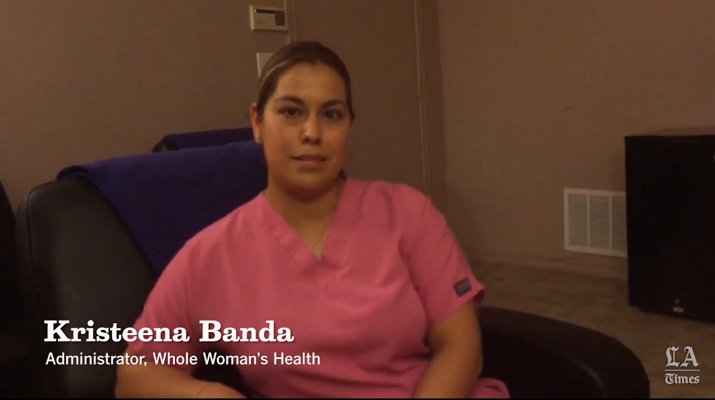
The case, Whole Woman's Health v. Hellerstedt, centers on two provisions of the law. One requires abortion clinics in the state to meet the same building standards as ambulatory surgical centers, and the other requires abortion providers to have admitting privileges at local hospitals.
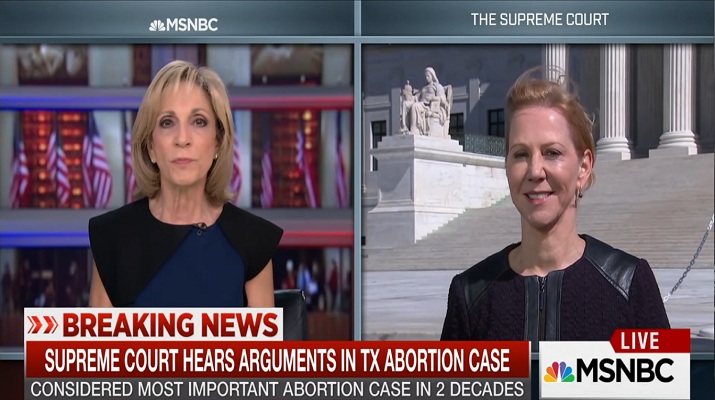
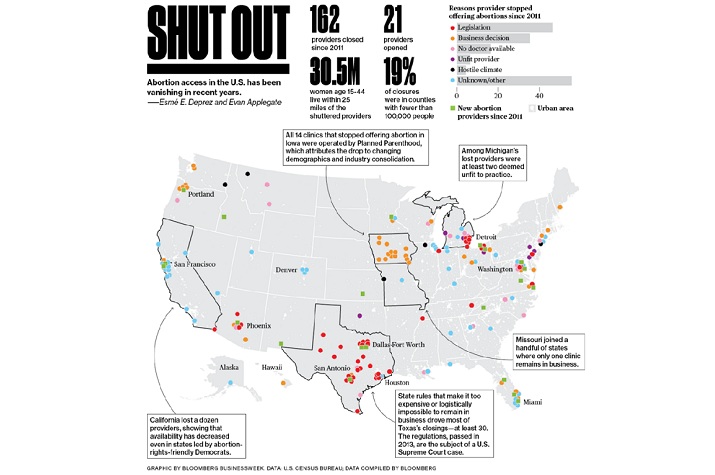
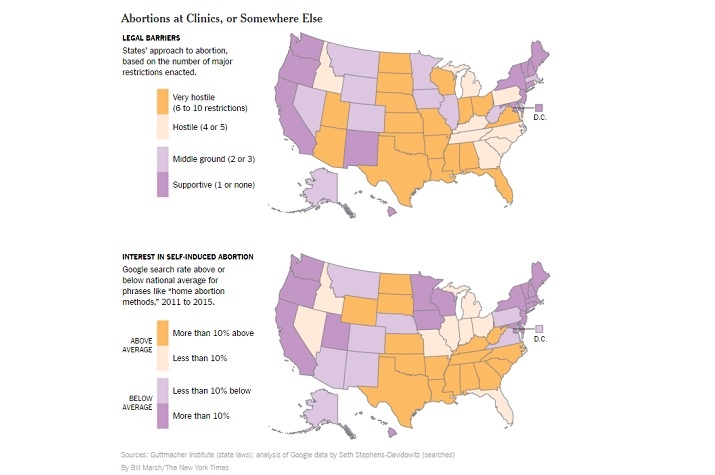
The Supreme Court heard oral arguments in the case on March 2, and the justices likely will issue a ruling in June. If the court rules for the state, the number of clinics will likely fall to about 10, compared with about 40 before the law took effect (Women's Health Policy Report, 3/3).
Ruling could limit access
According to NBC News, 5.4 million women in Texas are of childbearing age. Of those, about one in 20 is Asian-American or Pacific Islander, according to Miriam Yeung, executive director of the National Asian Pacific Women's Forum (NAPAWF).
Yeung said, "The impact for our community is huge." She added, "The effect is physically making it more challenging to access abortion," noting that the Asian-American and Pacific Islander community "already has a hard enough time accessing healthcare that is linguistically and culturally competent." According to recent research from the Texas Policy Evaluation Project, the law also is linked with increased wait times for women seeking abortion care in the state, forcing some women to significantly delay abortion care.
Yeung said the cost for the procedure and travel would particularly affect the one in eight Asian-American and Pacific Islander women in Texas who lives in poverty. For example, a NAPAWF statement noted that a woman in Brazos County, Texas, would be forced to travel more than 100 miles each way to obtain abortion care in Houston if the high court rules in favor of the state.
In addition to procedure and travel costs, the statement noted that a woman's childcare costs, English proficiency, immigration status, lost income from taking time off from work or school and other domestic or professional obligations must be considered in determining the impact of abortion restrictions.
Yeung said, "These types of regulations and this type of cutting-off-of-access-to-women is unconstitutional" (NBC News, 3/22).