

Citing the increase in the number of women seeking information about self-induced abortion, columnist Dani McClain in an opinion piece for The Nation highlights a new legal group, the Self-Induced Abortion (SIA) Legal Team, which is dedicated to "stopping the criminalization of self-induced abortion."
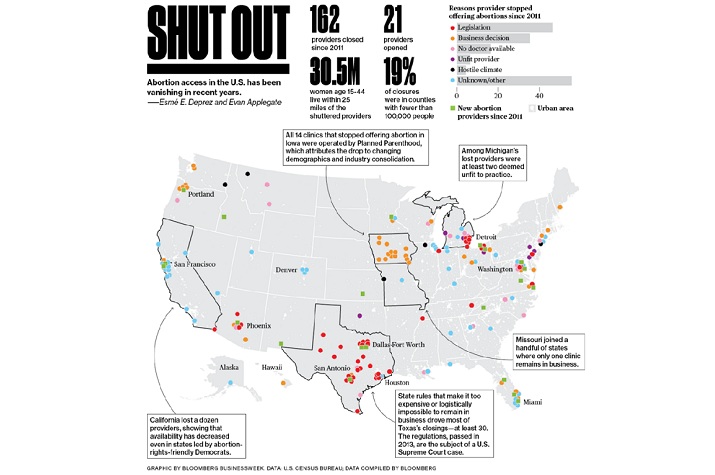
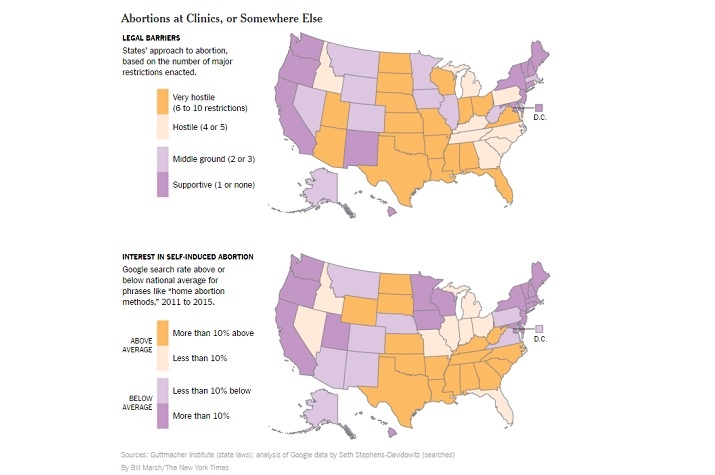
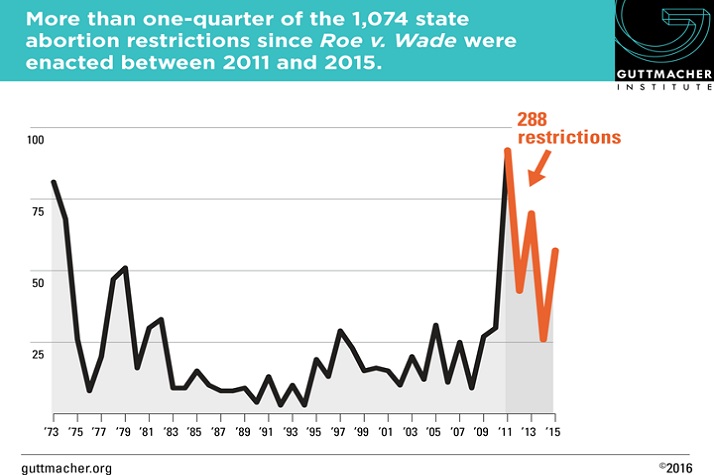
McClain points to a recent New York Times opinion piece that reported that "there were 700,000 Google searches for how to self-induce abortion" in 2015. According to McClain, "The connection between the attack on abortion rights and a spike in the number of people turning to the Internet for answers is clear: The state with the highest rate of searches was Mississippi, which has one remaining clinic as the result of laws passed in the state to limit access to abortion." She adds that in 2011, when 92 abortion restrictions "were enacted nationwide," Internet "searches for how to accomplish a do-it-yourself abortion jumped 40 percent."
McClain spotlights the work of SIA, which researched self-induced abortion over the past year and last week conducted a webinar "to share what they've learned about the risks and opportunities associated with abortions that happen outside the healthcare system." According to SIA, "There have been 17 known arrests or convictions connected to at-home abortions," she writes. Overall, according to McClain, the "team has identified 40 laws nationwide -- including fetal homicide, chemical endangerment, accomplice liability -- that are potentially broken when someone terminates a pregnancy with help from a doula, babysitter, or someone else in a support role."
SIA "is made up of self-described movement lawyers from Center on Reproductive Rights and Justice [(CRRJ)] at Berkeley Law, Reproductive Health Technologies Project, Law Students for Reproductive Rights, National Advocates for Pregnant Women, and other organizations," McClain writes. As part of its goal to end the criminalization of self-induced abortion, the team "said this week that it will represent those in legal trouble or connect those in need with a trusted attorney," she adds. McClain writes that, as defined by SIA, self-induced abortion is "'the practice of self-administering pharmaceutical pills, traditional herbs, or other means'" to end a pregnancy, and the group "describes the practice as 'the only available or acceptable method of abortion to growing numbers of people.'"
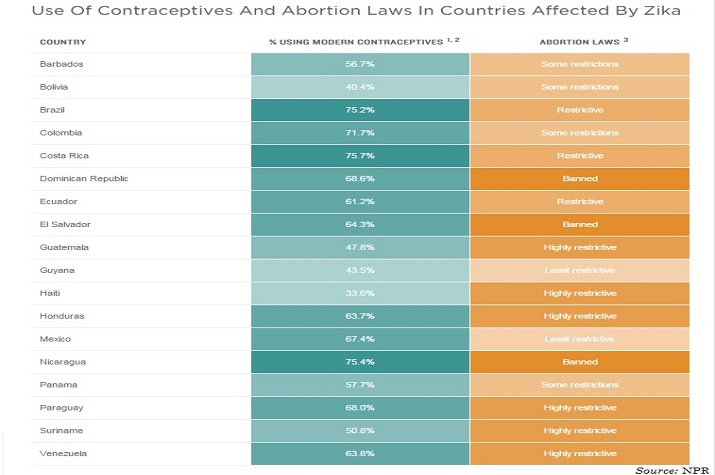
McClain notes that while purchasing the medication abortion drug misoprostol online without a prescription is illegal, "it's a risk an increasing number of people are willing to consider if not take." The drug is sold over-the-counter in Mexico and other Latin American countries, she adds, "which may help explain why the practice of self-induced abortion appears to be more common in Texas than in the rest of the country."
According to McClain, SIA does not believe that "[f]inding ways to support those who choose to self-induce abortion ... mean[s] abandoning the fight to preserve access in healthcare settings." She quotes SIA team member Jill Adams of Berkeley Law's CRRJ, who said, "'We envision a world in which pregnant people have legal and actual access to the full panoply of abortion care options.'" The team aims "to investigate how public health advocates, midwives, and others who find themselves in a support role can legally share information about how abortion pills can be used at home," McClain writes.
According to McClain, "developing law and policy tools to answer questions" about how to share information on self-administering medication abortion, "expanding access to reliable information about self-induced abortion, shifting the culture so that the practice loses its stigma, and bringing an end to the prosecutions and arrests of people" who have been penalized for allegedly trying to self-induce an abortion "are all part of the work [SIA] plans to take up" (McClain, The Nation, 3/21).