
National Partnership for Women & Families

In the News

Population Institute: United States Earns 'D+' on Reproductive Rights and Health

The United States in 2015 earned a "D+" on reproductive rights and health, according the Population Institute's latest report card, the Mid-Valley Statesman Journal reports (Yoo, Mid-Valley Statesman Journal, 1/13).

Report Details

For the report, the Population Institute gave each state and Washington, D.C., an individual grade based on nine criteria. Specifically, the states were ranked based on effectiveness, including the teenage pregnancy rate and overall rate of unintended pregnancy; prevention, including whether comprehensive sexuality education was required and the accessibility of emergency contraception; affordability, including whether the state intended to expand Medicaid under the Affordable Care Act (PL 111-148) and the eligibility rules for families in the state's Medicaid program; and access to abortion clinics, including abortion restrictions, the targeted regulation of abortion providers and the percentage of women living in a county that does not have an abortion provider.

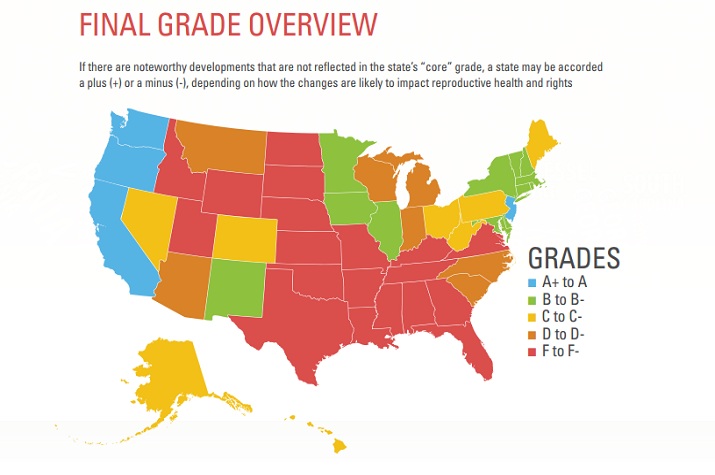
The Population Institute assigned each state a core grade of "A," "B," "C," "D," or "F" based on these criteria. States also received an additional "+" or "-" based on additional factors, such as pending legislation.

Key Findings

According to the report card, the overall U.S. score on reproductive rights and health decreased from a "C" to a "D+."

Seventeen states received a score of "B-" or higher (Population Institute release, 1/7). Nineteen states received an "F" (Mid-Valley Statesman Journal, 1/12). Failing states included Alabama, Arkansas, Florida, Georgia, Idaho, Kansas, Kentucky, Louisiana, Mississippi, Missouri, Nebraska, North Dakota, Oklahoma, South Dakota, Tennessee, Texas, Utah, Virginia and Wyoming.

Robert Walker, president of the Population Institute, said the misleading videos released last year targeting Planned Parenthood spurred antiabortion-rights legislation at the federal and state level. In addition, according to the Population Institute, the recent attacks on abortion clinics "are creating a climate of fear."

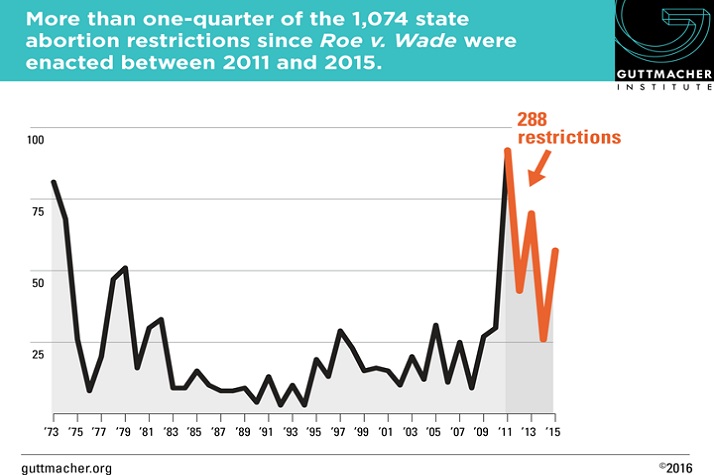
Walker added, "Increasingly, the reproductive health of a woman depends on the state or community where she lives." According to Walker, 21 states have decided not to expand Medicaid under the ACA and a number of states have curbed family planning funding. Further, states have approved 288 new abortion restrictions since January 2011 and enforce widely varying sexuality education requirements.

Oregon, Three Other States Earn 'A'

Overall, only four states -- California, New Jersey, Oregon and Washington -- received an "A" (Population Institute release, 1/7). According to the Journal, Oregon earned an "A+" for requiring public schools to teach comprehensive sexuality education and emergency rooms to provide EC, expanding Medicaid, and not passing laws that restrict women's access to abortion. Further, the state received a "+" for enacting legislation that allows women to receive a year's worth of contraception at one time and permits pharmacies to prescribe and dispense contraception.

Mary Nolan, executive director of Planned Parenthood Advocates of Oregon, said the state "is heading in the right direction." She continued, "There are legislative leaders [who] recognize improving access and quality of reproductive health services results in individual people having better health and better public health results. In other states ... extremist politicians ... are not paying attention to medical science and medical research."

However, Nolan said Oregon could still work to improve access to abortion care. According to the report card, 20% of women in Oregon live in a county that does not have an abortion provider (Mid-Valley Statesman Journal, 1/12).
Video Round Up

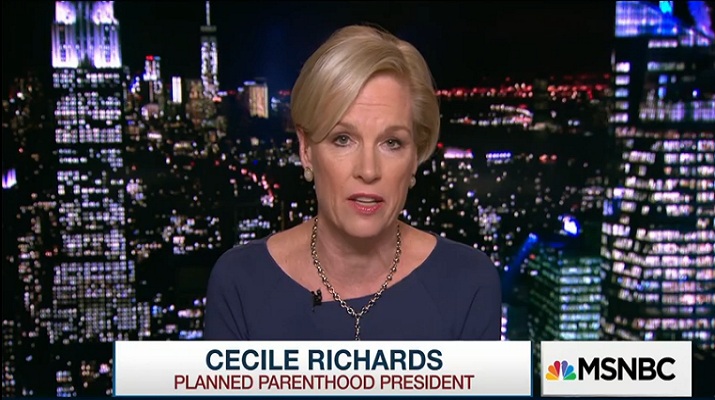
In this clip, Cecile Richards, president of Planned Parenthood Federation of America and Planned Parenthood Action Fund, speaks with MSNBC's Chris Matthews about a Texas grand jury investigation into Planned Parenthood that cleared the organization of wrongdoing and instead resulted in indictments for two abortion-rights opponents involved in filming misleading videos targeting Planned Parenthood.

Video Round Up

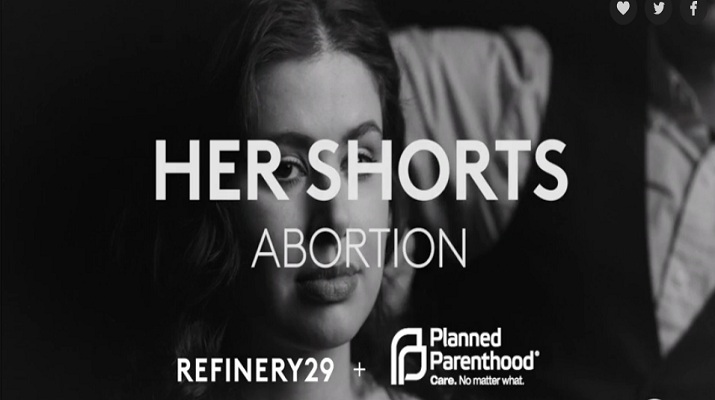
In a short film presented by Refinery29 in partnership with Planned Parenthood, several women share personal abortion stories.

Video Round Up

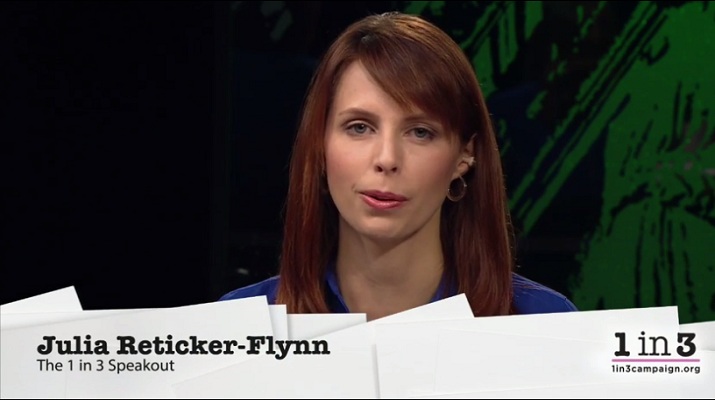
In this video, Julia Reticker-Flynn, campaign director of Advocates for Youth's 1 in 3 Campaign, hosts the project's second annual abortion speakout, which features participants' personal abortion stories and experiences to combat abortion stigma.

Video Round Up

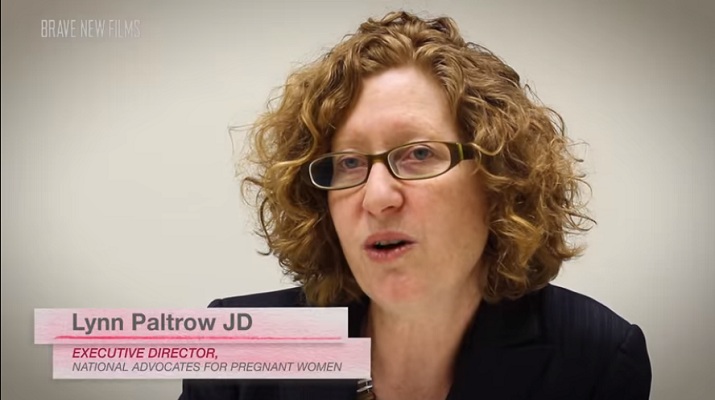
"To Prison for Pregnancy," a documentary presented by Brave New Films, discusses how U.S. feticide laws are being used to penalize pregnant women, particularly minority and low-income women.

Video Round Up

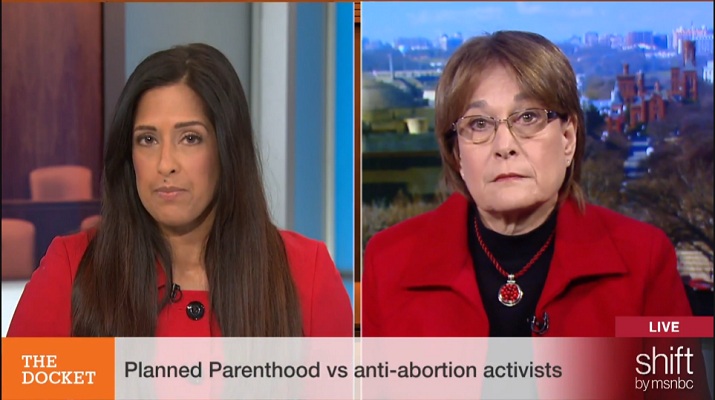
Seema Iyer, host of MSNBC's "The Docket," hears from Vicki Saporta, president of the National Abortion Federation, about legal challenges facing the Center for Medical Progress, an antiabortion-rights group that released a series of misleading videos targeting Planned Parenthood.

Video Round Up

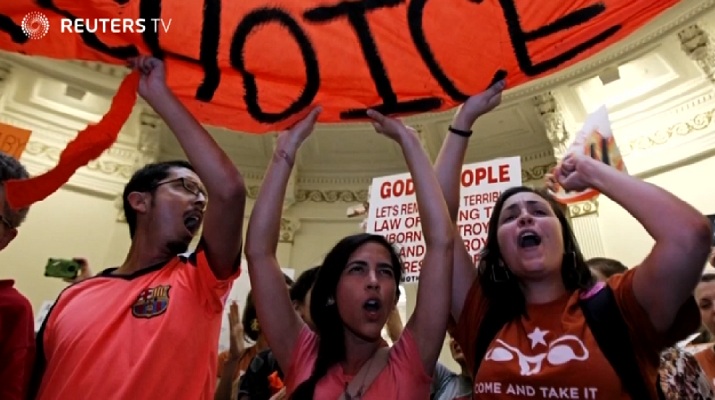
In this clip, Joan Biskupic, legal affairs editor for Reuters, discusses the personal stories shared by abortion-rights supporters in amicus briefs urging the Supreme Court to strike down contested provisions in Texas' omnibus antiabortion-rights law (HB 2).

Video Round Up

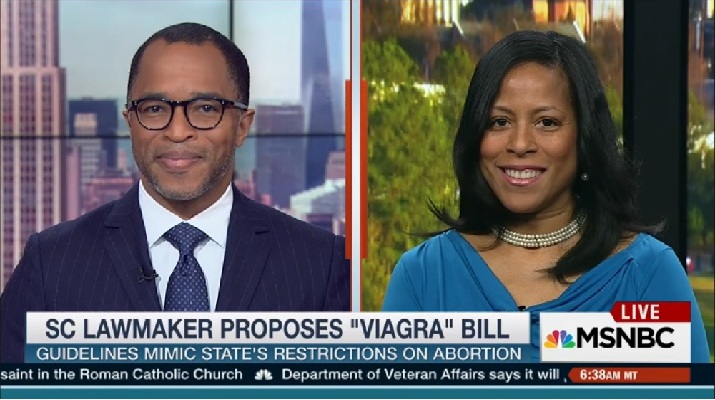
MSNBC's Jonathan Capehart talks with South Carolina Rep. Mia McLeod (D) about a bill (H 4544) she proposed that would apply antiabortion-rights style restrictions to erectile dysfunction drugs.

Video Round Up

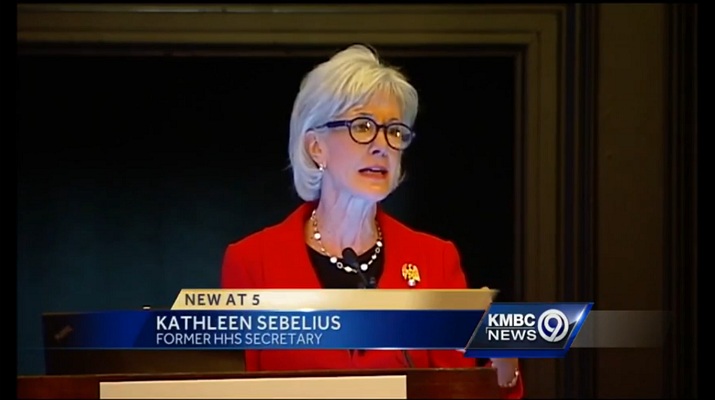
In this clip, KMBC's Micheal Mahoney discusses comments made by former HHS Secretary Kathleen Sebelius at a Planned Parenthood conference in Kansas City, Mo.

Video Round Up

For CNN's "Anderson Cooper 360," CNN National Correspondent Gary Tuchman profiles the security measures in place at an abortion clinic, Cherry Hill Women's Center, in New Jersey.

Video Round Up

HuffPost Live! talks with Daniel Grossman, a professor of obstetrics and gynecology at the University of California-San Francisco, about a report that finds at least 100,000 Texas women have attempted to terminate a pregnancy without medical assistance.

See All

Datapoints

In its latest report card, the Population Institute provides a snapshot of the condition of reproductive rights and health in each state in 2015.

Datapoints

The Guttmacher Institute in this graph shows the rapid increase in the number of state abortion restrictions over the past few years.

Datapoints

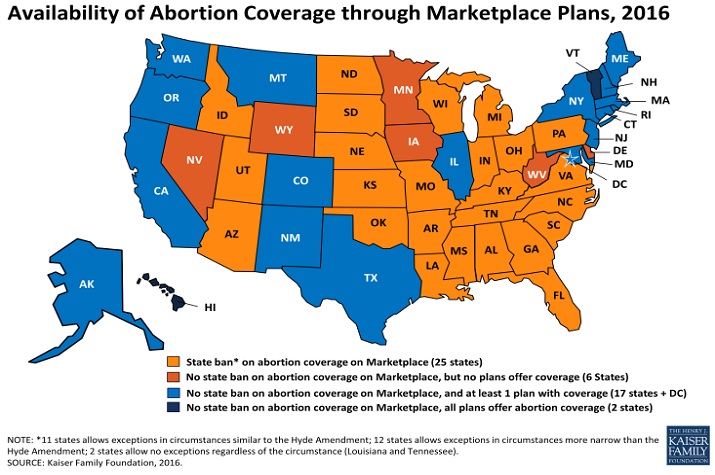
In this map, the Kaiser Family Foundation shows how widely abortion coverage varies from state to state in insurance plans sold through the Affordable Care Act's (PL 111-148) insurance marketplaces.

Datapoints

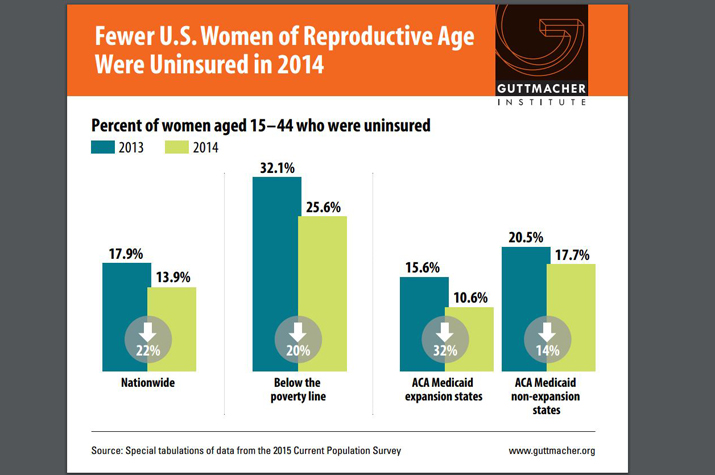
In this infographic, the Guttmacher Institute shows how the proportion of uninsured reproductive-age women in the U.S. declined from 17.9% in 2013 to 13.9% in 2014, the first year in which the Affordable Care Act was implemented fully.

Datapoints

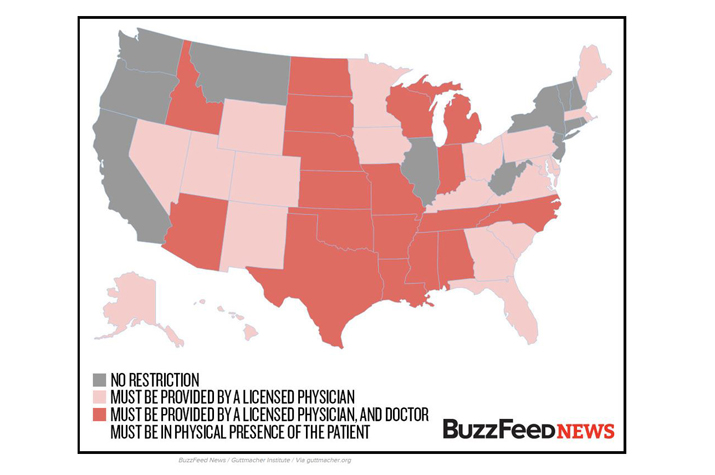
This map marks the 15th anniversary of medication abortion's FDA approval by detailing certain restrictions on the drugs across the country. According toBuzzfeed News, lawmakers in 38 states have passed these medication abortion restrictions.

Datapoints

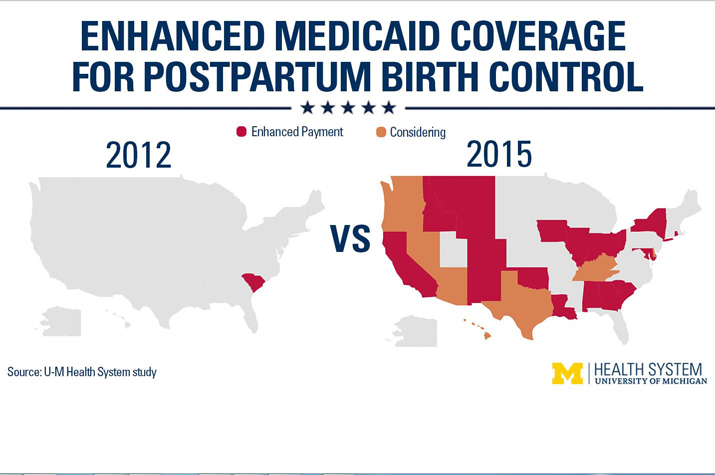
This map, released with a study from the University of Michigan Health System, shows how an increasing number of state Medicaid programs over the last three years are providing reimbursement for immediate postpartum LARC provision.

Datapoints

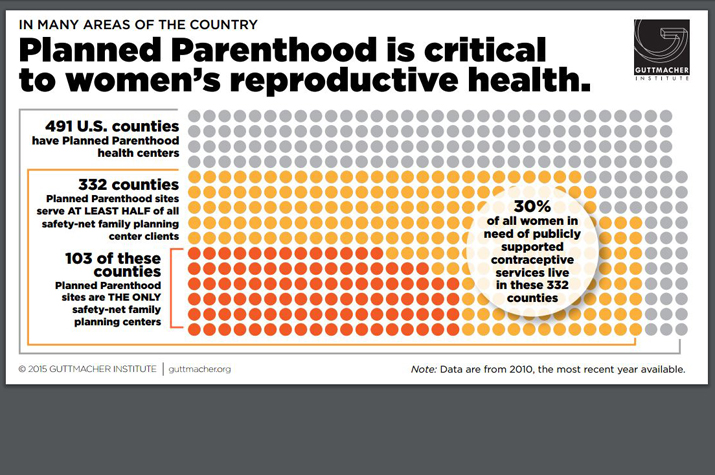
The Guttmacher Institute in this infographic counters antiabortion-rights claims that alternative providers could cover any gaps in health care services if Planned Parenthood is defunded.

Datapoints

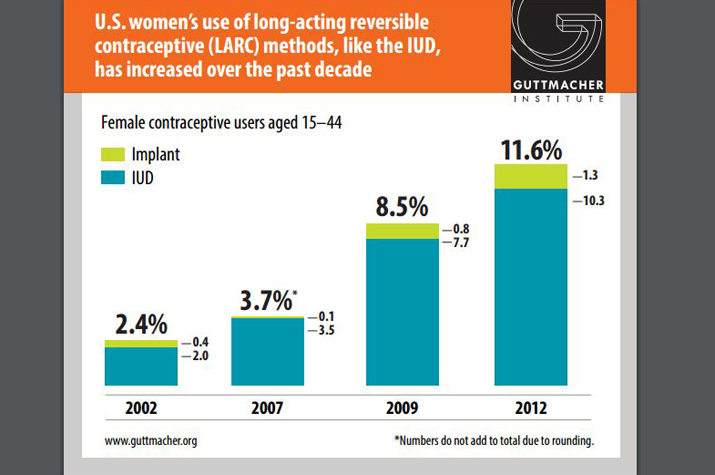
This infographic, released with a new Guttmacher Institute study, shows the increase in use of long-acting reversible contraception among U.S. women between 2002 and 2012.

See All

At a Glance

"A woman's ability to end her pregnancy too often depends on where she lives, her age and how much money is in her pocket."

— Marcela Howell of In Our Own Voice: National Black Women's Reproductive Justice Agenda, discussing ongoing disparities in women's access to abortion care on the 43rd anniversary of Roe v. Wade.