
National Partnership for Women & Families

In the News

Obama Vetoes Budget Reconciliation Bill Targeting Planned Parenthood

President Obama on Friday vetoed a budget reconciliation measure (HR 3762) that would have suspended federal funding for Planned Parenthood and repealed parts of the Affordable Care Act (PL 111-148), the New York Times reports (Harris, New York Times, 1/8).

The House will vote to override the veto on Jan. 26 (Attias, CQ News, 1/8). However, according to USA Today, conservative lawmakers are "far short of the two-thirds vot[e] necessary for an override" (Korte, USA Today, 1/8).

Federal Defunding Efforts in Reconciliation and FY 2016 Budget Measures

When a stopgap spending bill -- which included funding for Planned Parenthood -- was debated earlier this year, some conservative lawmakers said they would not support any government spending measure that includes funding for the organization. Last month, Obama signed a government spending measure that does not include language defunding Planned Parenthood.

Meanwhile, congressional leaders pursued an alternative budget procedure known as reconciliation. The Senate on Dec. 4, 2015, voted 52-47 to pass a budget reconciliation bill that would defund Planned Parenthood and repeal several ACA provisions. Through budget reconciliation, certain legislation can advance in the Senate with a simple majority vote.

The part of the reconciliation measure that targets Planned Parenthood would end federal funding for the organization for one year. According to the Congressional Budget Office, that amounts to about $390 million in Medicaid funding. Meanwhile, the measure would add $235 million in funding for community health centers.

Following the Senate vote, the House on Jan. 7 voted 240-181 to pass the measure (Women's Health Policy Report, 1/7).

Comments

Obama in his veto message said, "This legislation would not only repeal parts of the Affordable Care Act, but would reverse significant process we have made in improving health care in America" (CQ News, 1/8). He noted that the parts of the bill targeting Planned Parenthood would "disproportionately impact low-income individuals," concluding, "Because of the harm this bill would cause to the health and financial security of millions of Americans, it has earned my veto" (New York Times, 1/8).

Separately, Dawn Laguens, executive vice president of Planned Parenthood Action Fund, said the "veto is a stark reminder of the importance of having a women's health champion and defender in the White House." She added, "We are grateful to President Obama for rejecting this partisan bill that would roll back an historic expansion of health care for women and deny millions of men, women, and young people access to care at Planned Parenthood" (Planned Parenthood Action Fund release, 1/8).
Video Round Up

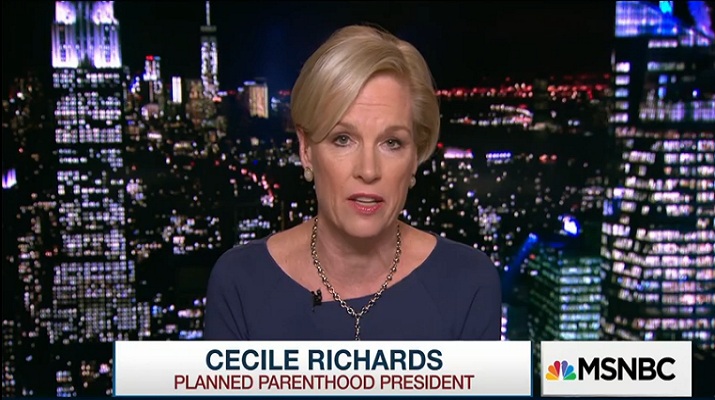
In this clip, Cecile Richards, president of Planned Parenthood Federation of America and Planned Parenthood Action Fund, speaks with MSNBC's Chris Matthews about a Texas grand jury investigation into Planned Parenthood that cleared the organization of wrongdoing and instead resulted in indictments for two abortion-rights opponents involved in filming misleading videos targeting Planned Parenthood.

Video Round Up

In a short film presented by Refinery29 in partnership with Planned Parenthood, several women share personal abortion stories.

Video Round Up

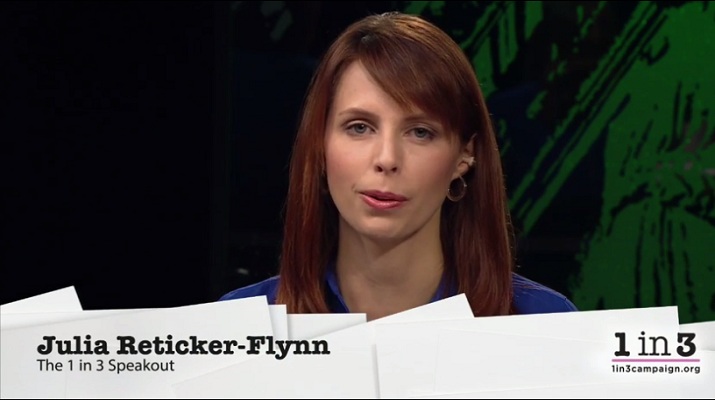
In this video, Julia Reticker-Flynn, campaign director of Advocates for Youth's 1 in 3 Campaign, hosts the project's second annual abortion speakout, which features participants' personal abortion stories and experiences to combat abortion stigma.

Video Round Up

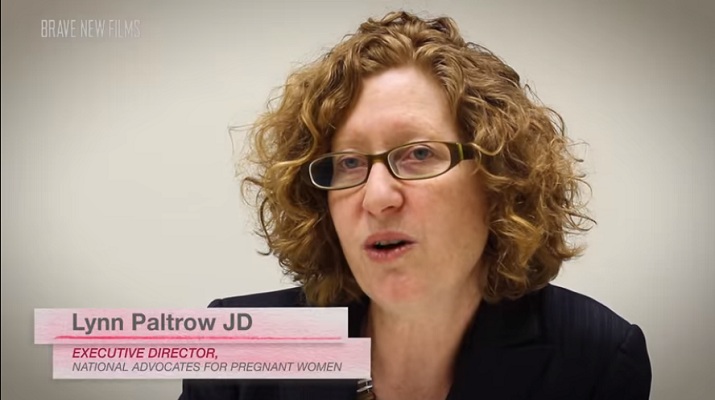
"To Prison for Pregnancy," a documentary presented by Brave New Films, discusses how U.S. feticide laws are being used to penalize pregnant women, particularly minority and low-income women.

Video Round Up

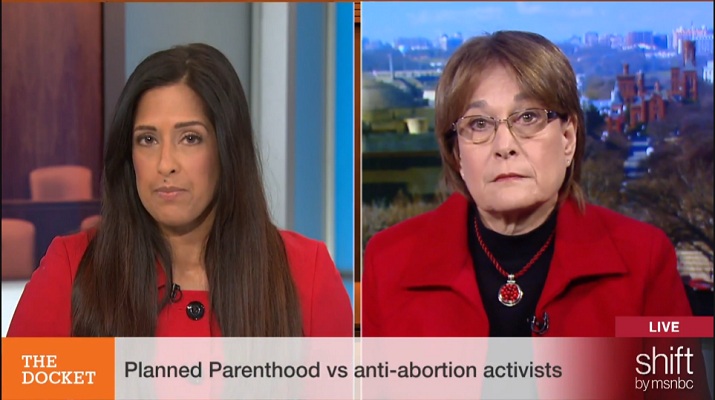
Seema Iyer, host of MSNBC's "The Docket," hears from Vicki Saporta, president of the National Abortion Federation, about legal challenges facing the Center for Medical Progress, an antiabortion-rights group that released a series of misleading videos targeting Planned Parenthood.

Video Round Up

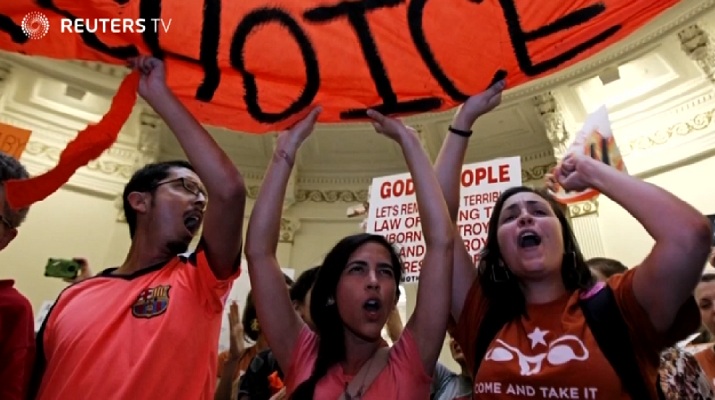
In this clip, Joan Biskupic, legal affairs editor for Reuters, discusses the personal stories shared by abortion-rights supporters in amicus briefs urging the Supreme Court to strike down contested provisions in Texas' omnibus antiabortion-rights law (HB 2).

Video Round Up

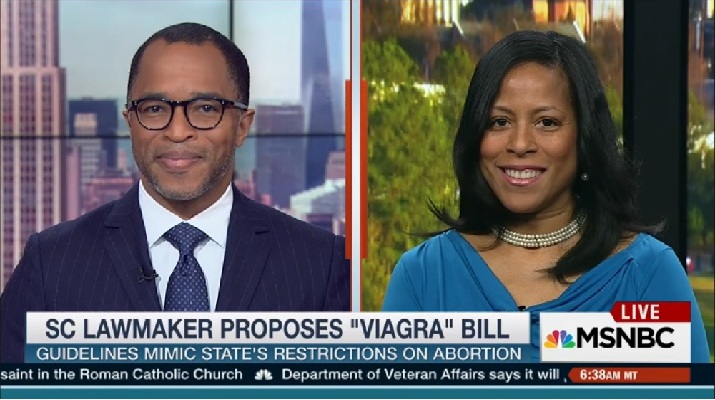
MSNBC's Jonathan Capehart talks with South Carolina Rep. Mia McLeod (D) about a bill (H 4544) she proposed that would apply antiabortion-rights style restrictions to erectile dysfunction drugs.

Video Round Up

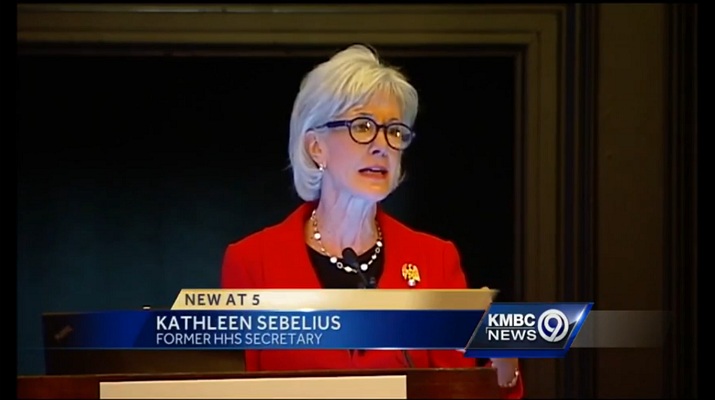
In this clip, KMBC's Micheal Mahoney discusses comments made by former HHS Secretary Kathleen Sebelius at a Planned Parenthood conference in Kansas City, Mo.

Video Round Up

For CNN's "Anderson Cooper 360," CNN National Correspondent Gary Tuchman profiles the security measures in place at an abortion clinic, Cherry Hill Women's Center, in New Jersey.

Video Round Up

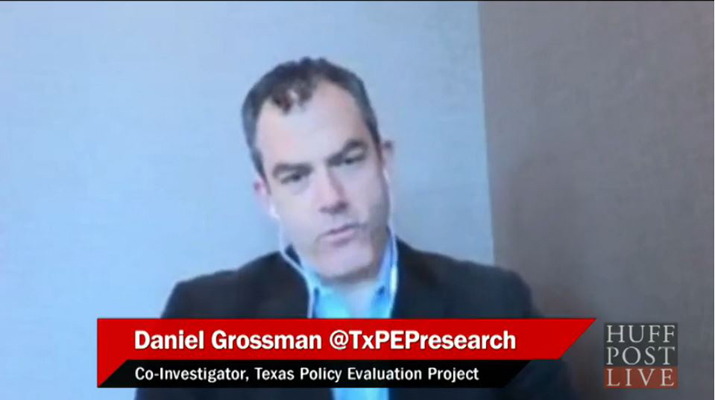
HuffPost Live! talks with Daniel Grossman, a professor of obstetrics and gynecology at the University of California-San Francisco, about a report that finds at least 100,000 Texas women have attempted to terminate a pregnancy without medical assistance.

See All

Datapoints

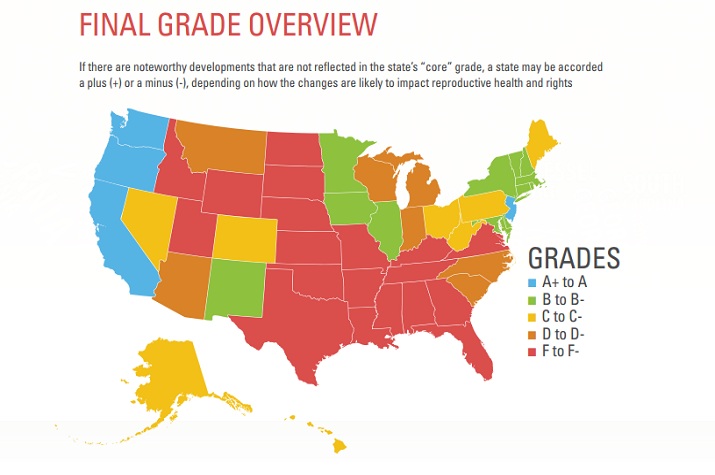
In its latest report card, the Population Institute provides a snapshot of the condition of reproductive rights and health in each state in 2015.

Datapoints

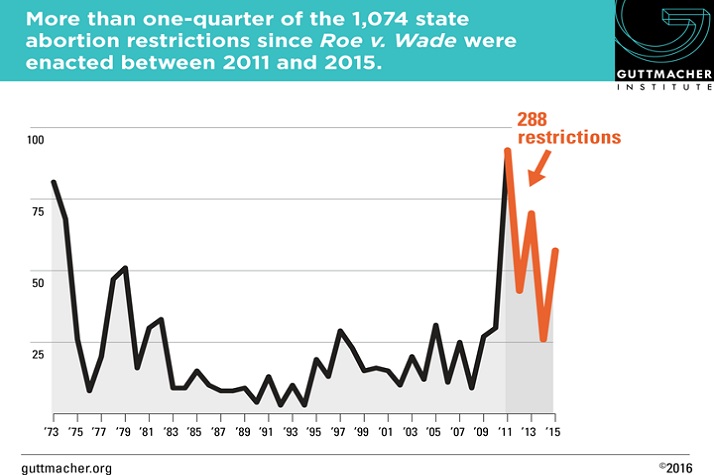
The Guttmacher Institute in this graph shows the rapid increase in the number of state abortion restrictions over the past few years.

Datapoints

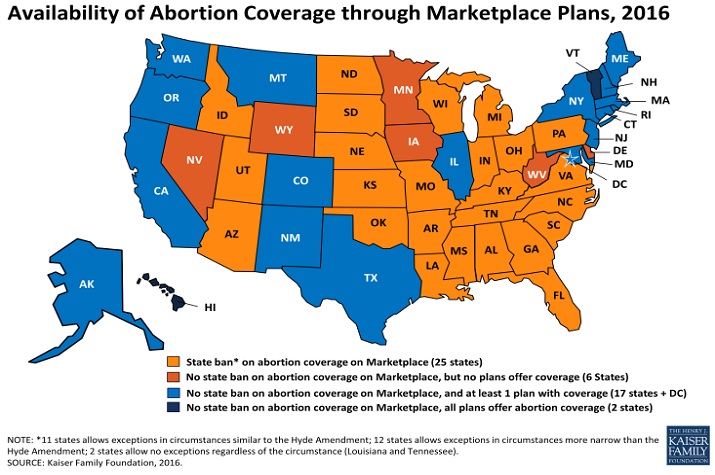
In this map, the Kaiser Family Foundation shows how widely abortion coverage varies from state to state in insurance plans sold through the Affordable Care Act's (PL 111-148) insurance marketplaces.

Datapoints

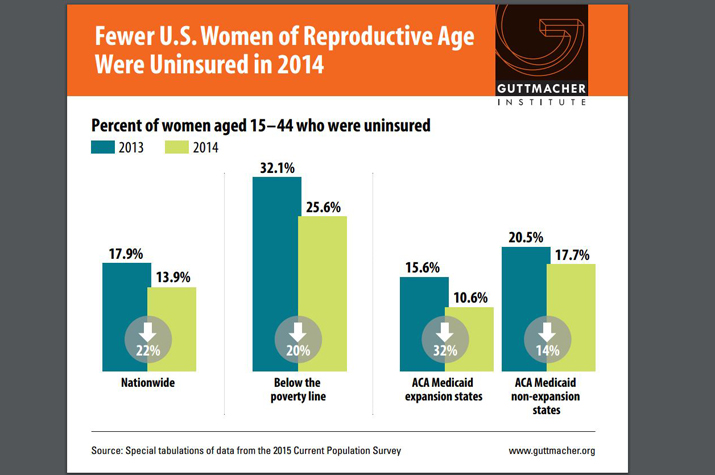
In this infographic, the Guttmacher Institute shows how the proportion of uninsured reproductive-age women in the U.S. declined from 17.9% in 2013 to 13.9% in 2014, the first year in which the Affordable Care Act was implemented fully.

Datapoints

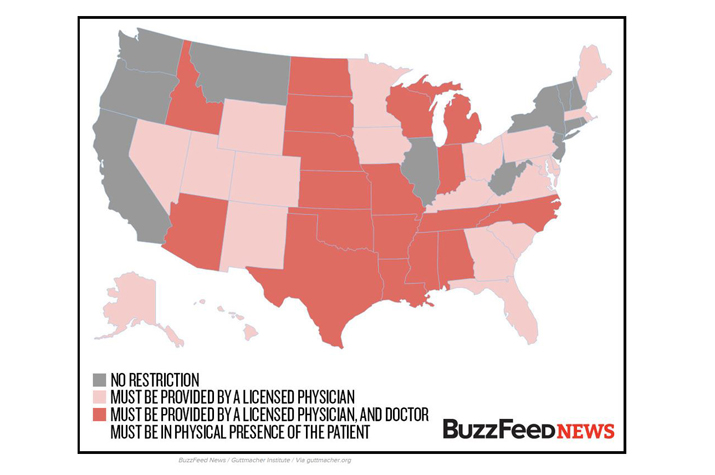
This map marks the 15th anniversary of medication abortion's FDA approval by detailing certain restrictions on the drugs across the country. According toBuzzfeed News, lawmakers in 38 states have passed these medication abortion restrictions.

Datapoints

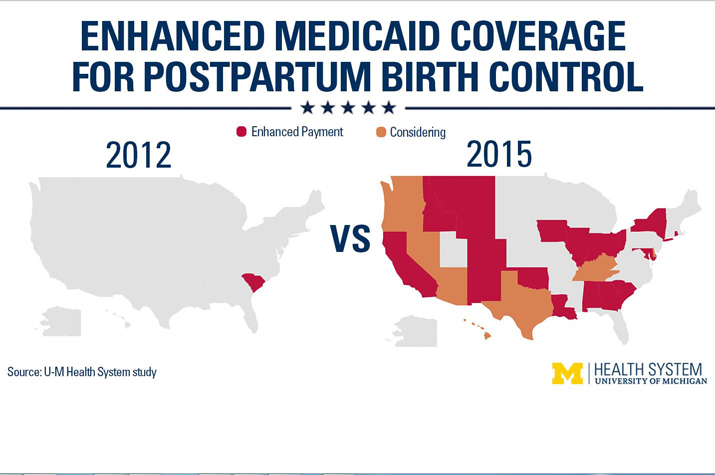
This map, released with a study from the University of Michigan Health System, shows how an increasing number of state Medicaid programs over the last three years are providing reimbursement for immediate postpartum LARC provision.

Datapoints

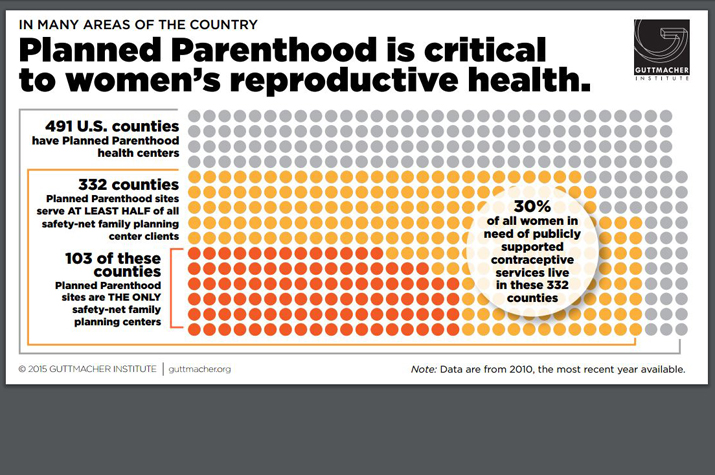
The Guttmacher Institute in this infographic counters antiabortion-rights claims that alternative providers could cover any gaps in health care services if Planned Parenthood is defunded.

Datapoints

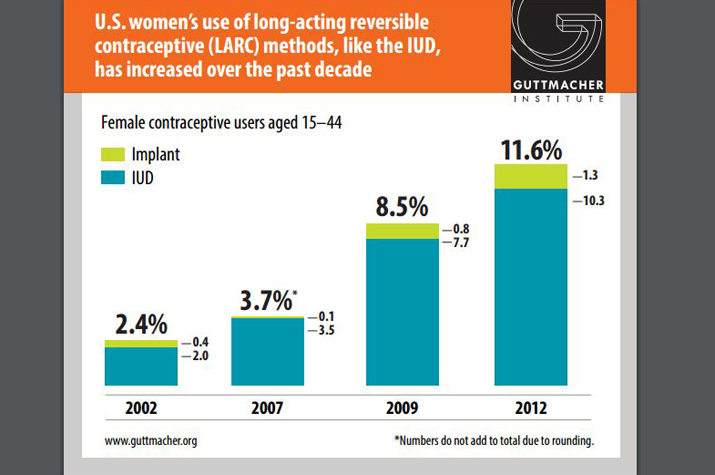
This infographic, released with a new Guttmacher Institute study, shows the increase in use of long-acting reversible contraception among U.S. women between 2002 and 2012.

See All

At a Glance

"A woman's ability to end her pregnancy too often depends on where she lives, her age and how much money is in her pocket."

— Marcela Howell of In Our Own Voice: National Black Women's Reproductive Justice Agenda, discussing ongoing disparities in women's access to abortion care on the 43rd anniversary of Roe v. Wade.