
National Partnership for Women & Families

In the News

Obama Administration Urges SCOTUS To Strike Down Texas' HB 2

The Obama administration on Monday urged the U.S. Supreme Court to strike down contested provisions in Texas' omnibus antiabortion-rights law (HB 2), the Wall Street Journal reports (Bravin, Wall Street Journal, 1/4).

Background

The Supreme Court in November 2015 announced it will hear a challenge to HB 2, which has already closed about half of the abortion clinics in Texas. Last month, the high court announced it will hear arguments in the case on March 2, which puts the Supreme Court on track to issue a final ruling in June.

The case, Whole Woman's Health v. Cole, centers on two provisions. One requires abortion clinics in the state to meet the same building standards as ambulatory surgical centers, and the other requires abortion providers to have admitting privileges at local hospitals.

The Center for Reproductive Rights, which represents the group of abortion providers challenging the law, argues that HB 2 is unconstitutional, creates an undue burden for Texas women who live far away from the nearest clinic, and does not promote the state's interest in improving health. If the court rules for the state, the number of clinics will fall to about 10, compared with about 40 before the law took effect.

In June, the 5th U.S. Circuit Court of Appeals upheld the law's ambulatory surgical centers provision and admitting privileges requirements except in the case of one clinic, Whole Woman's Health in McAllen, Texas. Later that month, CRR asked the 5th Circuit to stay the decision while the clinics appeal to the Supreme Court. The 5th Circuit rejected the request. CRR then filed an emergency request with the Supreme Court to stay the lower court's ruling and allow the clinics to remain open pending appeal. The Supreme Court in late June temporarily blocked HB 2's ambulatory surgical center requirement. There was debate about whether the high court's order also blocked the law's admitting privileges requirement (Women's Health Policy Report, 1/4).

Details of Petition

In an amicus brief, U.S. Solicitor General Donald Verrilli wrote, "The requirements at issue here are far more restrictive than any this court has yet approved ... and they undermine the very government purpose they purport to advance."

Verrilli also argued that the 5th U.S. Circuit's ruling in the lawsuit incorrectly applied precedent on abortion restrictions by failing to determine whether the Texas provisions imposed an "undue burden" on abortion access. According to Verrilli, the Texas provisions cause an undue burden, which the Supreme Court defined in a 1992 decision as "unnecessary health regulations that have the purpose or effect of presenting a substantial obstacle to a woman seeking an abortion."

Verrilli said Texas officials undermined their claims that the restrictions further women's health because the state does not impose such restrictions on other outpatient procedures that are more likely than abortion to lead to complications that require hospitalization (Wall Street Journal, 1/4).

According to Reuters, the amicus brief called on the justices to examine the law's effects. Verrilli noted that if the law was fully implemented, women in the state would be required to travel long distances to access abortion care because many of Texas' remaining abortion clinics would be required to close. In addition, the administration said the requirements were unnecessary given the safety of abortion care in Texas and the low rate of complications stemming from the procedure.

"Those requirements are unnecessary to protect -- indeed, would harm -- women's health, and they would result in closure of three quarters of the abortion clinics in the state," Verrilli wrote (Biskupic, Reuters, 1/4).

According to Verrilli, the federal government has an interest in the lawsuit because "Congress has enacted laws relating to abortion and may legislate further in that area in the future," which therefore requires "clarification of the relevant legal principles." The federal government is not a party in the lawsuit (Wall Street Journal, 1/4).
Video Round Up

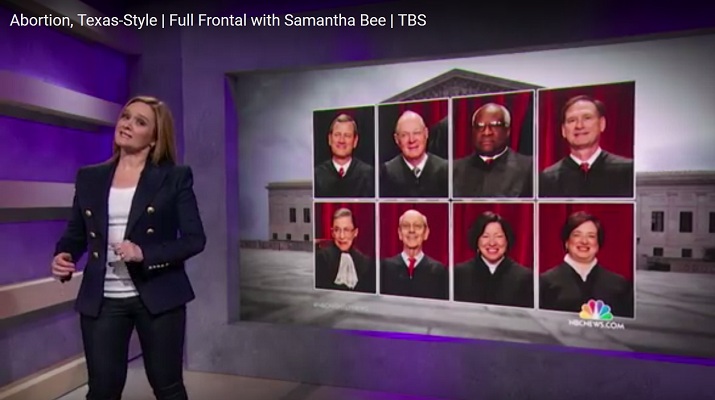
In a segment on HB 2, comedian Samantha Bee interviews Ilyse Hogue, president of NARAL Pro-Choice America, and Texas Rep. Dan Flynn (R), one of the bill's authors, for TBS' "Full Frontal with Samantha Bee," Vox reports.

Video Round Up

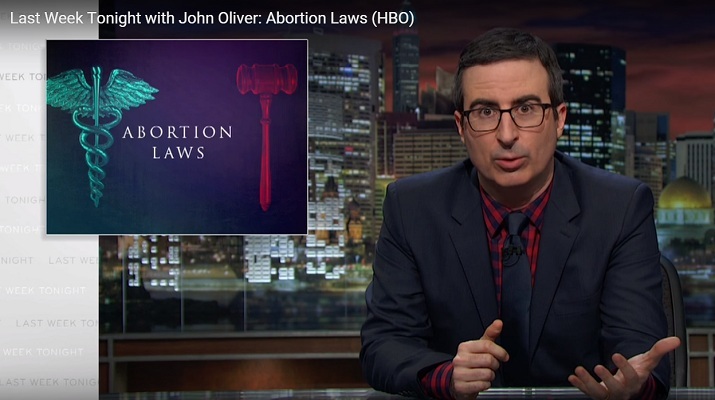
John Oliver on HBO's "Last Week Tonight with John Oliver" discusses the proliferation of attacks on abortion rights in the United States and comments on how such restrictions affect a woman's access to abortion care.

Video Round Up

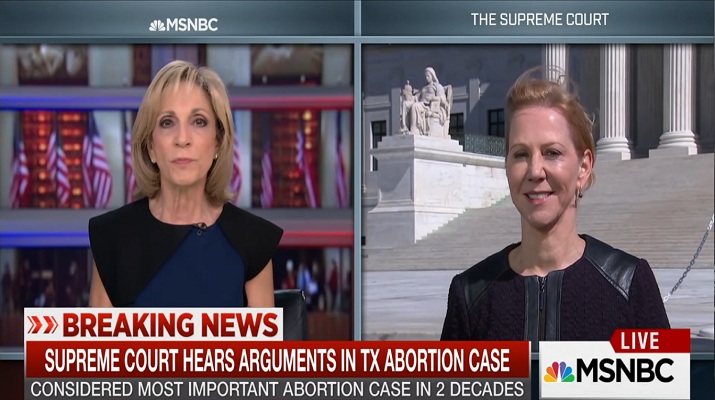
MSNBC's Andrea Mitchell hears from Nancy Northup, president of the Center for Reproductive Rights, about oral arguments before the Supreme Court in a case challenging provisions of Texas' omnibus antiabortion-rights law (HB 2).

Video Round Up

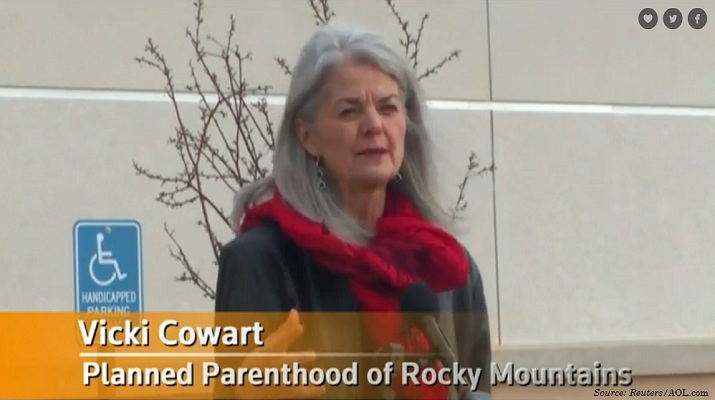
In this clip from Reuters/AOL.com, Vicki Cowart, CEO of Planned Parenthood of the Rocky Mountains, speaks about the reopening of a Planned Parenthood clinic in Colorado that was the site of a deadly shooting last November.

Video Round Up

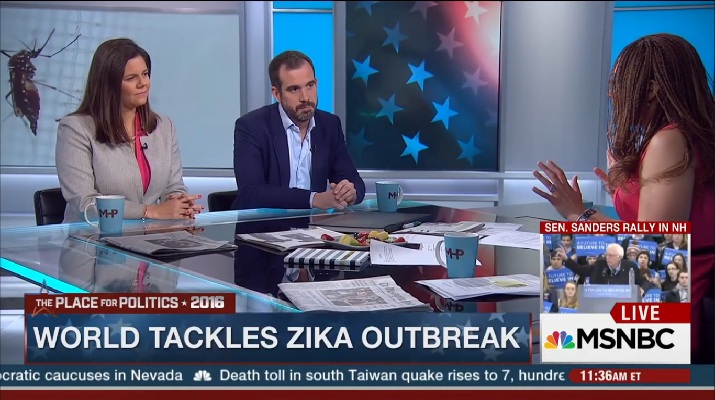
MSNBC's Melissa Harris-Perry hears from guests about the implications of the Zika virus outbreak for women in countries that have limited access to reproductive health care.

Video Round Up

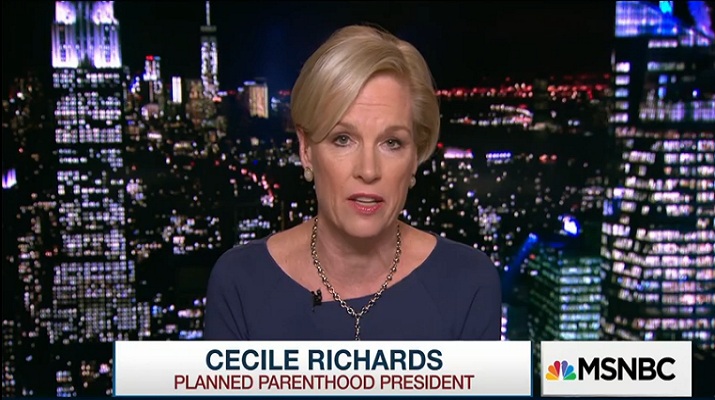
In this clip, Cecile Richards, president of Planned Parenthood Federation of America and Planned Parenthood Action Fund, speaks with MSNBC's Chris Matthews about a Texas grand jury investigation into Planned Parenthood that cleared the organization of wrongdoing and instead resulted in indictments for two abortion-rights opponents involved in filming misleading videos targeting Planned Parenthood.

Video Round Up

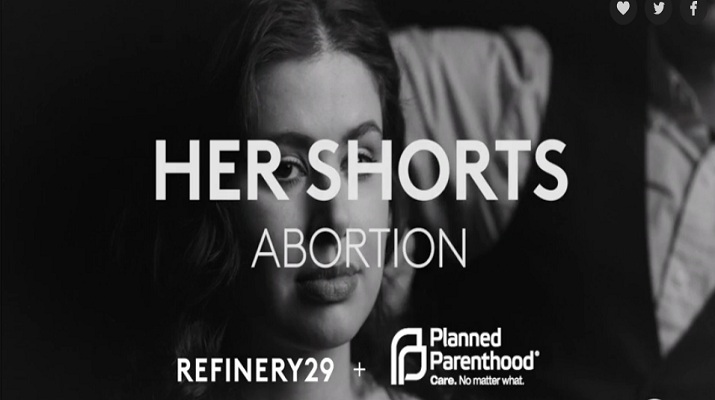
In a short film presented by Refinery29 in partnership with Planned Parenthood, several women share personal abortion stories.

Video Round Up

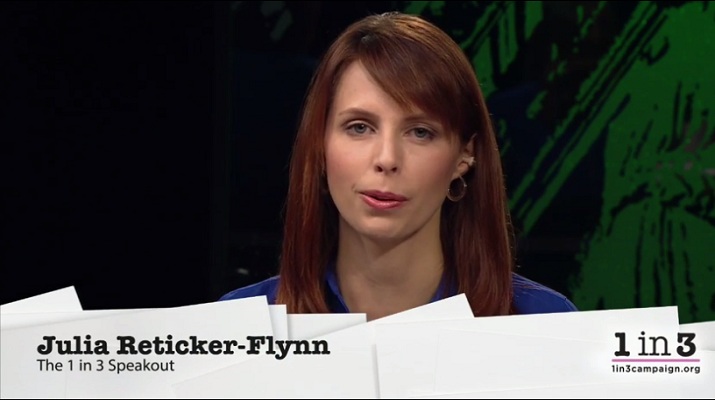
In this video, Julia Reticker-Flynn, campaign director of Advocates for Youth's 1 in 3 Campaign, hosts the project's second annual abortion speakout, which features participants' personal abortion stories and experiences to combat abortion stigma.

Video Round Up

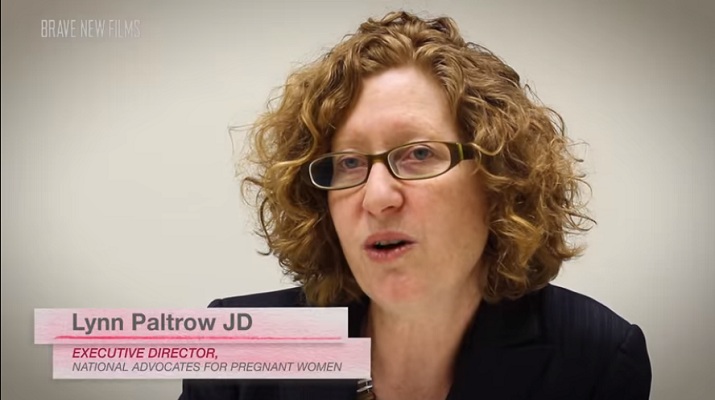
"To Prison for Pregnancy," a documentary presented by Brave New Films, discusses how U.S. feticide laws are being used to penalize pregnant women, particularly minority and low-income women.

Video Round Up

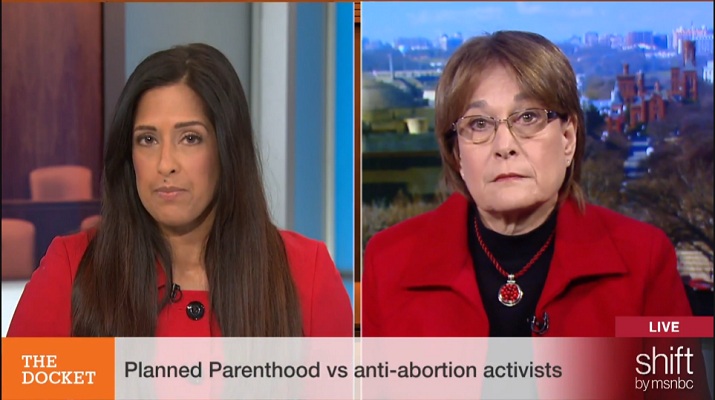
Seema Iyer, host of MSNBC's "The Docket," hears from Vicki Saporta, president of the National Abortion Federation, about legal challenges facing the Center for Medical Progress, an antiabortion-rights group that released a series of misleading videos targeting Planned Parenthood.

See All

Datapoints

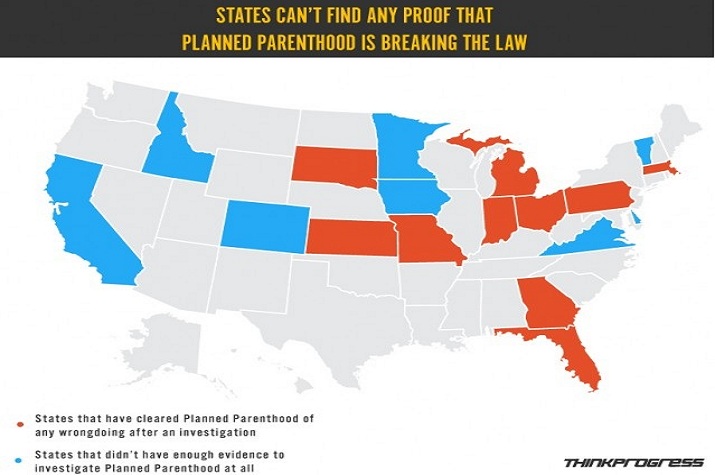
In this map, Center for American Progress' "ThinkProgress" spotlights the 12 states that have cleared Planned Parenthood of any wrongdoing after launching investigations into the organization following the release of misleading videos targeting Planned Parenthood's fetal tissue donation program.

Datapoints

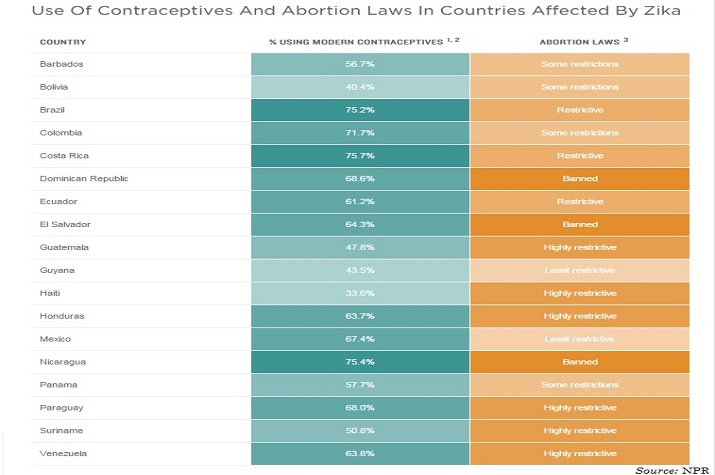
This chart, compiled by NPR, shows how the majority of countries affected by the Zika virus, which might be linked to a severe birth defect, curb access to contraception and abortion care.

Datapoints

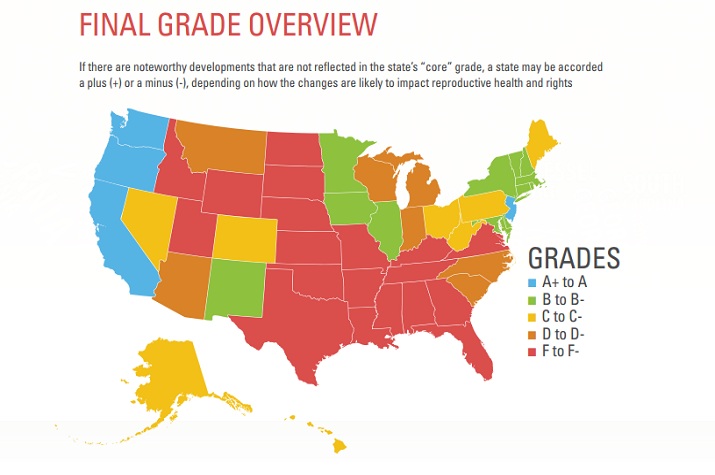
In its latest report card, the Population Institute provides a snapshot of the condition of reproductive rights and health in each state in 2015.

Datapoints

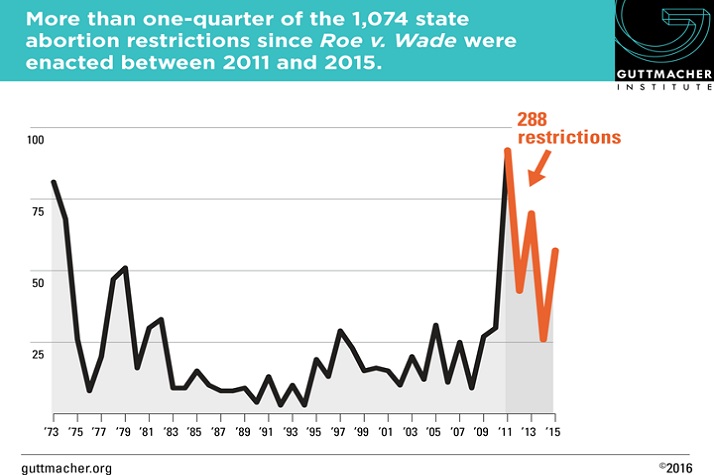
The Guttmacher Institute in this graph shows the rapid increase in the number of state abortion restrictions over the past few years.

Datapoints

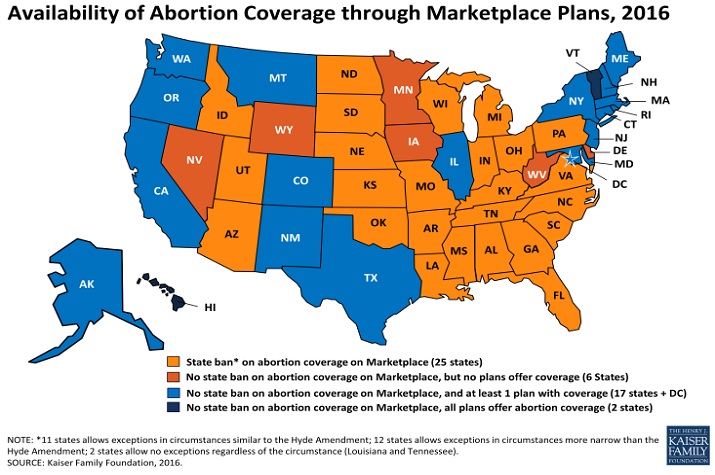
In this map, the Kaiser Family Foundation shows how widely abortion coverage varies from state to state in insurance plans sold through the Affordable Care Act's (PL 111-148) insurance marketplaces.

Datapoints

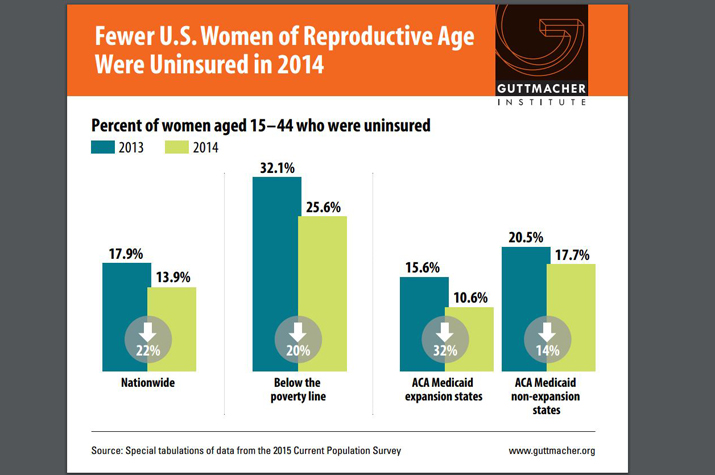
In this infographic, the Guttmacher Institute shows how the proportion of uninsured reproductive-age women in the U.S. declined from 17.9% in 2013 to 13.9% in 2014, the first year in which the Affordable Care Act was implemented fully.

Datapoints

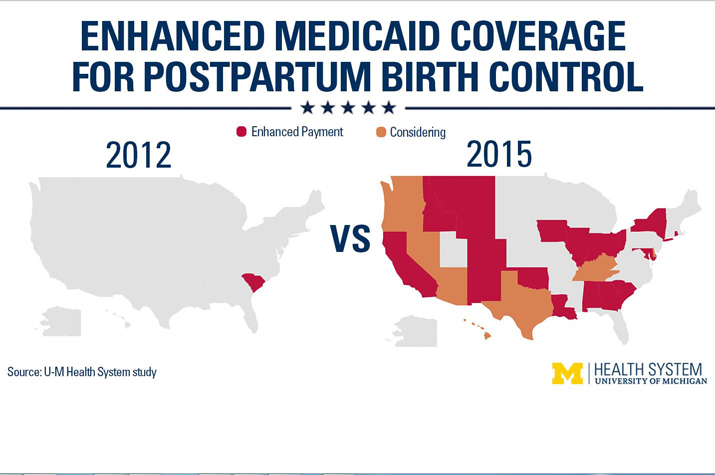
This map, released with a study from the University of Michigan Health System, shows how an increasing number of state Medicaid programs over the last three years are providing reimbursement for immediate postpartum LARC provision.

Datapoints

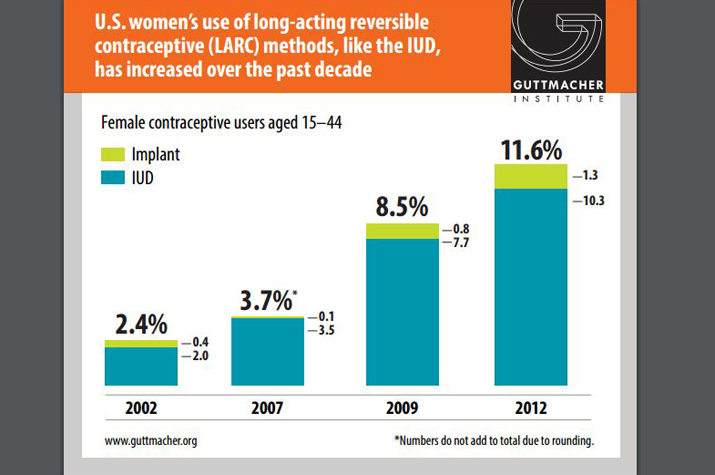
This infographic, released with a new Guttmacher Institute study, shows the increase in use of long-acting reversible contraception among U.S. women between 2002 and 2012.

Datapoints

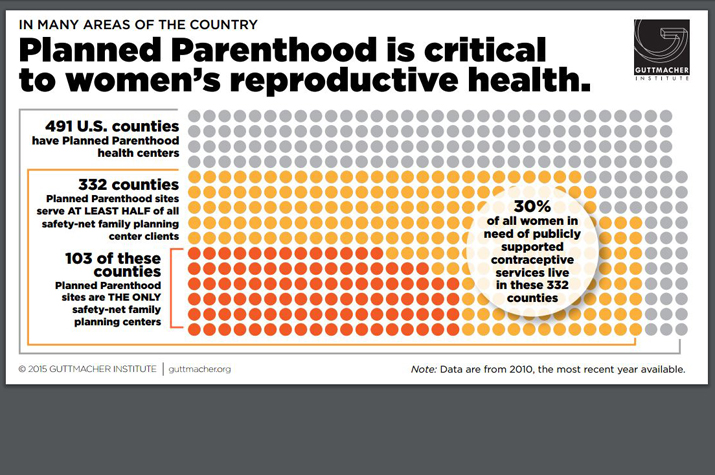
The Guttmacher Institute in this infographic counters antiabortion-rights claims that alternative providers could cover any gaps in health care services if Planned Parenthood is defunded.

Datapoints

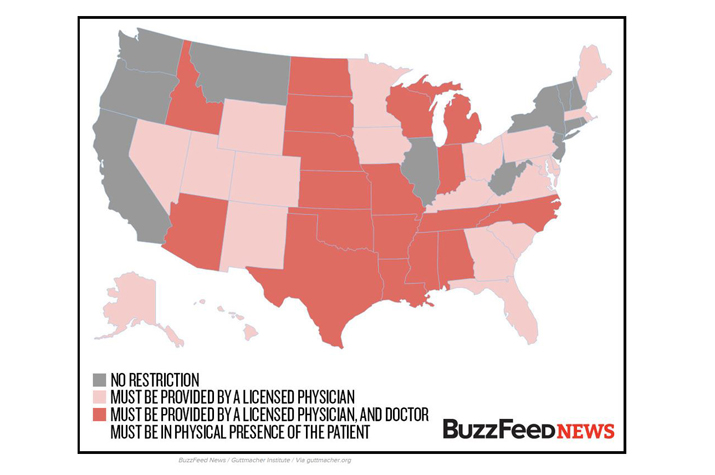
This map marks the 15th anniversary of medication abortion's FDA approval by detailing certain restrictions on the drugs across the country. According toBuzzfeed News, lawmakers in 38 states have passed these medication abortion restrictions.

See All

At a Glance

"A woman's ability to end her pregnancy too often depends on where she lives, her age and how much money is in her pocket."

— Marcela Howell of In Our Own Voice: National Black Women's Reproductive Justice Agenda, discussing ongoing disparities in women's access to abortion care on the 43rd anniversary of Roe v. Wade.